Speyer
Bubble Tea in Speyer
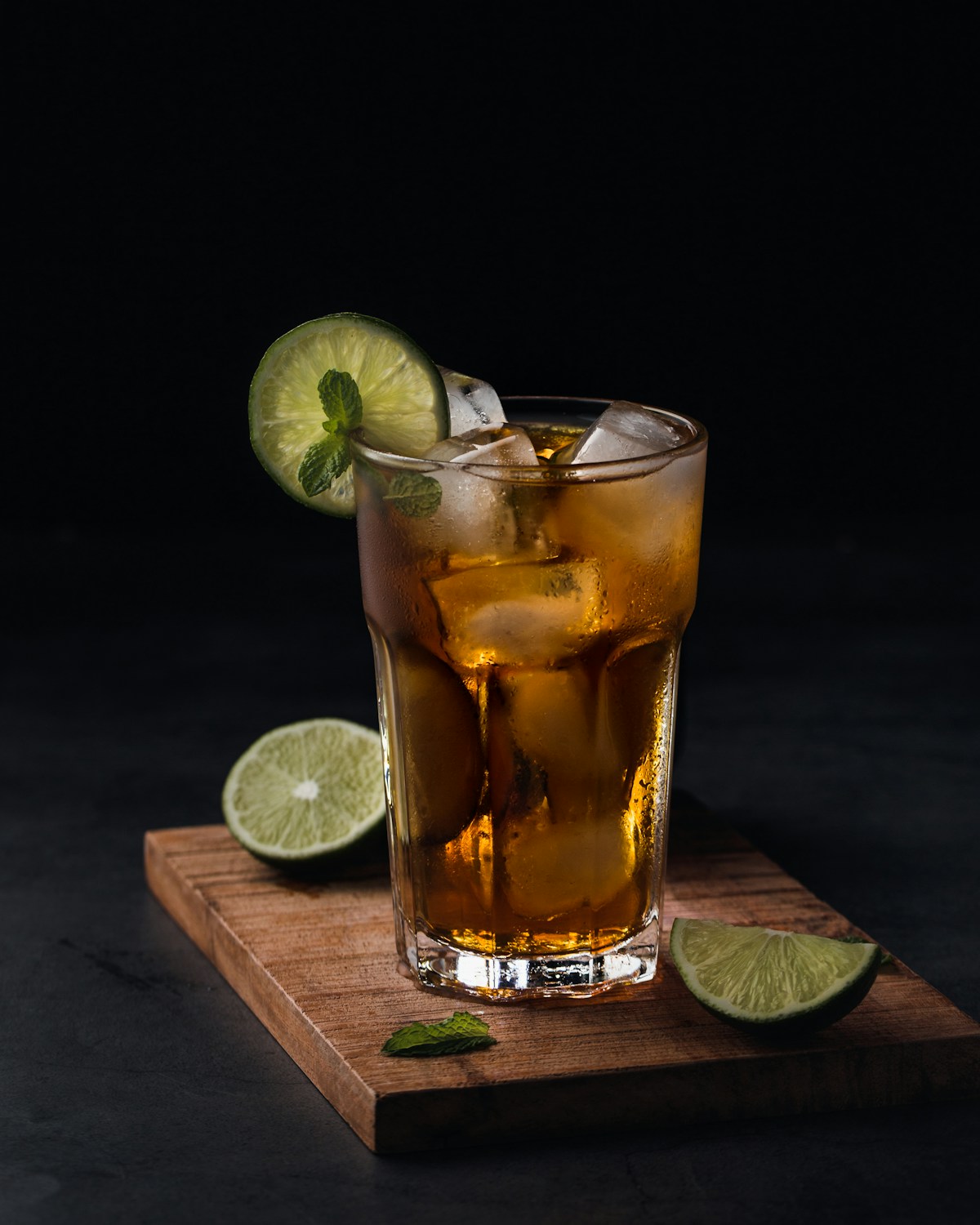
At the moment, there's a huge hype surrounding the trendy drink Bubble Tea — not just in Speyer and across Rhineland-Palatinate, but worldwide. However, there was already a Bubble Tea wave in Germany back around 2010.
But what exactly is Bubble Tea? Which country does the drink come from and how is it made? Are there any myths surrounding Bubble Tea? Why is it trending again right now and where can you buy it?
You'll find answers to these questions in this article, along with a wonderfully simple basic recipe that's sure to work not only in this city on the Rhine with its roughly 50,000 residents.
So, what exactly is Bubble Tea?
The tea-based drink actually originates from Taiwan. Traditionally, it's made from freshly brewed, sweetened black or green tea, milk, fruit syrup and chewy cooked tapioca pearls.
The variations of Bubble Tea, which can be served hot or cold, are practically endless, as there are countless takes on the drink.
Incidentally, Bubble Tea doesn't get its name from the sweet little pearls. Bubble Tea shops can now be found everywhere — even in small towns! Often decked out in bright, cheerful colours, everyone can find a shop nearby, such as Milk n' Tea am Rhein. According to the original recipe, the tea is shaken together with milk and ice cubes until foam forms — and it's these resulting air bubbles that give Bubble Tea its name.
Truths and fakes
There are many myths and pieces of misinformation surrounding Bubble Tea.
Perhaps the most well-known is that it was invented by accident, when the owner of a tea shop dropped a tap into his tea and the tapioca pearls floated to the surface. This isn't true, of course, but it's a fun story nonetheless.
The myth that Bubble Tea contains fish or frog eggs is, of course, also untrue. What the pearls are actually made of — and whether they're vegan — we'll explain later.
Particularly in Germany, people have stumbled across the claim for years that drinking Bubble Tea is dangerous — that the drink is carcinogenic, unhealthy or toxic, and that its sale isn't even permitted in Germany. This was triggered by a paper from 2012, conducted by RWTH Aachen University, which claimed that carcinogenic toxins had been found in tapioca pearls. Bubble Tea fans were understandably alarmed — and within a year, almost all Bubble Tea shops had disappeared.
After extensive testing by the Chemical and Veterinary Investigation Office in Karlsruhe, it became clear that no dangerous substances were present in the samples. It turned out that the supposed study from the Aachen university wasn't actually a proper study at all, yet it was published anyway, and the press ran with sensationalist headlines — ‘Chemists find traces of poison in Bubble Tea’ was just one of them. These days, nothing more is heard about the Aachen paper at all.
Study or no study, Bubble Tea can still be labelled unhealthy. Children in particular shouldn't be encouraged to develop a taste for Bubble Tea, given how much sugar it contains. Depending on the composition, it can contain up to 180 grams of sugar per litre. Combined with full-fat milk, sweet syrup and starchy pearls, Bubble Tea is a genuine calorie bomb that can easily rival cola.
Bubble Tea in Speyer – the topping in the cup
The little balls in Bubble Tea are usually tapioca pearls — soft, colourful balls with a fruity taste, at least as big as peas, though often even bigger. The tapioca starch is obtained from the cassava plant, which originally comes from Brazil.
Just as popular are boba pearls, also known as popping bobas. They're used in Bubble Tea in the same way and are just as popular as tapioca pearls.
In many Bubble Tea shops, such as XXX XXX, you can also add jellies to your drink. Steeped in fruit syrup, these evenly shaped cubes have a gummy, jelly-like texture. Carrageenan, extracted from red algae, forms the basis of the jelly. Eating carrageenan is considered completely harmless.
The three varieties introduced above are usually transparent and only take on their colour during further processing. Tapioca pearls, for example, are traditionally boiled in maple syrup until it thickens and caramelises — this is how the pearls get their dark colour.
If certain steps are altered slightly, the pearls can also come out in bright colours such as red, green or orange. To achieve fruity flavours, for instance, the preferred aromas are added to the pearls during the cooking process.
Tapioca pearls in particular should be soaked in fruit syrup for at least 30 minutes before eating. This gives the tapioca pearls enough time to absorb all the flavours, intensifying the taste.
The pearls are then stored in airtight containers until they're used.
Vegan – or not?
Is Bubble Tea vegan? Many young people ask themselves this question, feeling uncertain, as there doesn't seem to be a straightforward answer.
And that's true — the answer is: it depends on the milk. If you choose or use cow's milk, then your Bubble Tea obviously isn't vegan. Oat milk or almond milk simply makes your Bubble Tea vegan.
Tapioca pearls are naturally vegan — it depends on the colourings used. The red colouring carmine (E120) is just one of the non-vegan ones. Just ask at your local Bubble Tea shop.
Our secret recipe for Bubble Tea
Making chilled Bubble Tea is no great mystery. We've got a really simple recipe for you here, for which you'll only need the following ingredients: - 125 ml water for the tea (green or black tea)
250 ml milk or a milk alternative
100 ml cold water
25 g Bubble Tea pearls, available at good Asian supermarkets
a few ice cubes
sweetener to taste, such as maple syrup, honey or syrup
And here are the steps to make your trendy drink: First, brew a very strong tea using 125 ml of water.
To do this, simply let the tea steep for a few minutes longer than usual. Then leave the tea to cool, or pop it straight in the fridge. Once the tea has cooled, mix it thoroughly with milk, water and ice cubes and, ideally, shake it to get that proper bubble effect. Finally, add the prepared pearls. If you like, sweeten to taste with a sweetener.
Of course, you could also make the pearls for your Bubble Tea yourself from tapioca flour and flavour them however you like with fresh fruit or fruit syrup. You can also buy Bubble Tea pearl powder in various flavours and use it in your preparation.
Trends from Asia in Speyer
Back in 2010, there was already a huge hype around Bubble Tea, which faded fairly quickly at the time.
Today, the hype is back — but why?
Quite simply: thanks to social media channels like TikTok and Instagram, and the influence of Asian culture through K-pop and anime fans. As a result, Bubble Tea is currently very popular in America and Australia too.
Conclusion on Bubble Tea in Speyer
Even if Bubble Tea might not be everyone's cup of tea, everyone knows of a shop nearby. You simply can't avoid it. Perhaps you didn't even know this trendy drink in Rhineland-Palatinate before, and our blog post has sparked your interest.

Jonas Weidemann
Jonas kennt seine Stadt bis in die letzte Seitenstraße. Er schreibt über Konzerte, Ausstellungen, Off-Theater und Orte, an denen sich etwas bewegt. Wenn irgendwo eine neue Galerie oder ein Kollektiv aufmacht, ist er meist schon in der ersten Woche da.