St.-pölten
St. Pölten Urban Development: New Projects and Quarters 2026

St. Pölten, the capital of Lower Austria, is in the middle of a profound transformation. What was long regarded as a grey administrative town is developing, in summer 2026, into one of Austria's most exciting urban development stories. We've taken a close look at the most important projects and new quarters.
The flagship project is the new city quarter on the former Glanzstoff site. On the vast industrial grounds in the east of the city, a mixed-use district is emerging with flats, offices, dining and cultural facilities. The first construction phases have already been occupied, and the adaptive reuse of the historic industrial hall as a market hall with an attached event space is considered particularly exemplary in architectural terms. A further 400 residential units are due to be completed by the end of 2026.
Alongside this, the cultural project ‘Klangturm 2.0’ is taking shape. The iconic tower is being extended with an adjoining building that will house rehearsal rooms, a recording studio and a small festival centre. The opening is planned for autumn 2026 and is set to further strengthen St. Pölten's position as a centre for contemporary music.
Along the Traisen, a new riverside park stretching several kilometres is being created, with footpaths, seating areas and an ecologically designed riverbank landscape. The project combines flood protection with local recreation and creates a green artery linking several districts of the city. By summer 2026, large parts of the park are already accessible and have been enthusiastically embraced by the public.
Another focus of urban development is the campus around the main railway station. With the completion of the new Koralm railway, which connects St. Pölten directly with Graz and Klagenfurt, the area is gaining even greater significance. New office buildings, a hotel and a local amenities centre are under construction or have already opened, and the city is investing in upgrading public space with wider pavements, more green areas and better lighting.
Sustainable mobility is also a top priority in St. Pölten. The expansion of the cycle network is progressing, with several new cycle superhighways to surrounding municipalities in the planning stages. This is complemented by an expanded car-sharing network and additional EV charging points across the city.
Of particular interest to visitors: the Tourist Office has launched new themed city tours that bring St. Pölten's transformation to life – from its industrial history to modern architecture. An exciting way to experience this city's transformation up close.
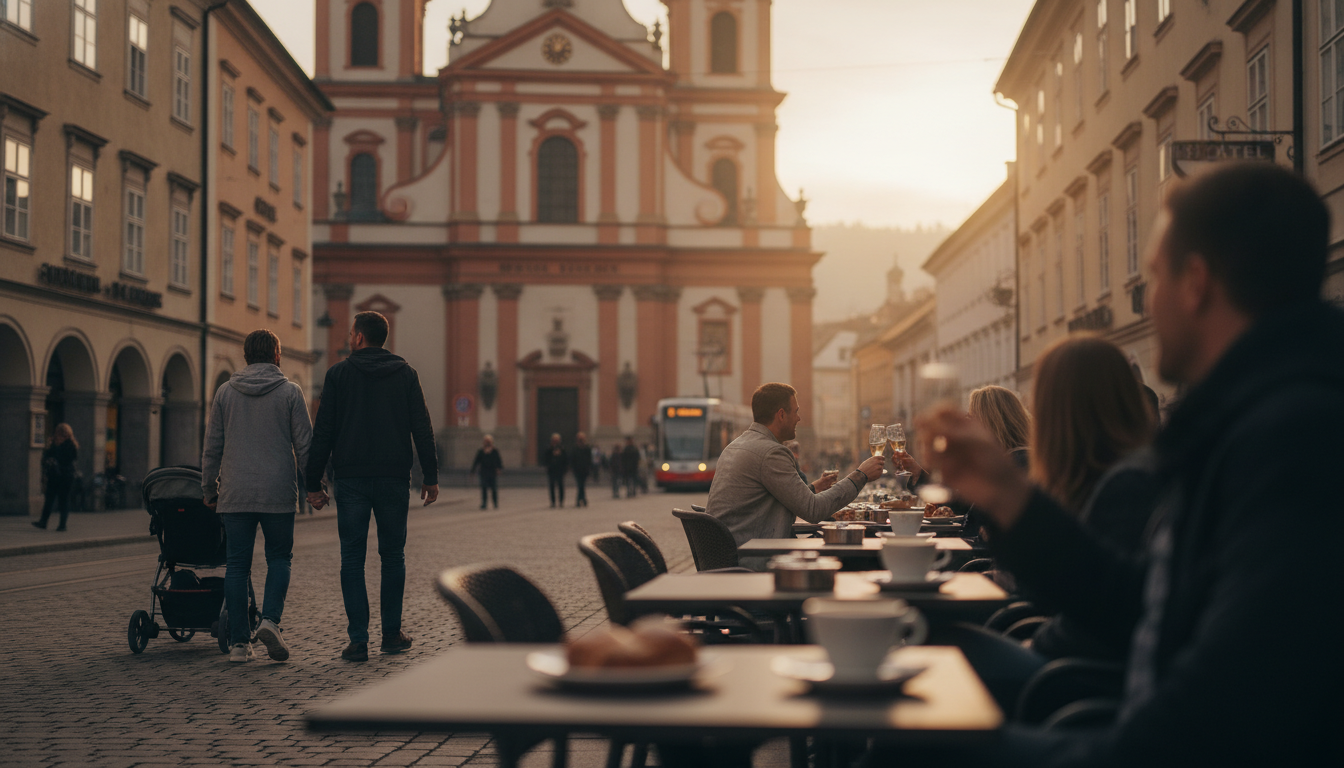
The most visible project sits right in the centre: the redesigned Domplatz has established itself, following its makeover, as an open urban space – an event venue, meeting point and archaeological showcase all in one, since beneath the paving lies the Roman settlement of Aelium Cetium. The city centre thus gains a square worthy of its status as a capital.
The cultural district remains the city's showpiece: the Festspielhaus, the Landesmuseum and the KinderKunstLabor bring together, on the banks of the Traisen, an offering that larger cities envy of the Lower Austrian capital – and the axis between the old town and the cultural buildings is being consistently upgraded. Public art and new pathways turn the walk itself into part of the experience.
The Traisen is becoming a hub for leisure: promenades, bathing coves and cycle paths are turning the river into a green ribbon – in summer, the riverbank serves as living room, sports ground and concert backdrop all at once. The connection through to the Ratzersdorfer See completes the water axis.
Housing development is in full swing: new quarters on former commercial land, subsidised housing and densification along the railway corridors are meeting the demand of a growing state capital – proximity to Vienna is making St. Pölten increasingly attractive for commuting families, while prices remain moderate by comparison.
The railway station is the gateway to it all: as one of the country's most important hubs, it connects the city with Vienna every quarter of an hour – the surrounding area is being developed accordingly, with office space, hotels and better routes into the city centre. Arriving passengers should, in future, feel they've reached a capital, not just passed through a transit stop.
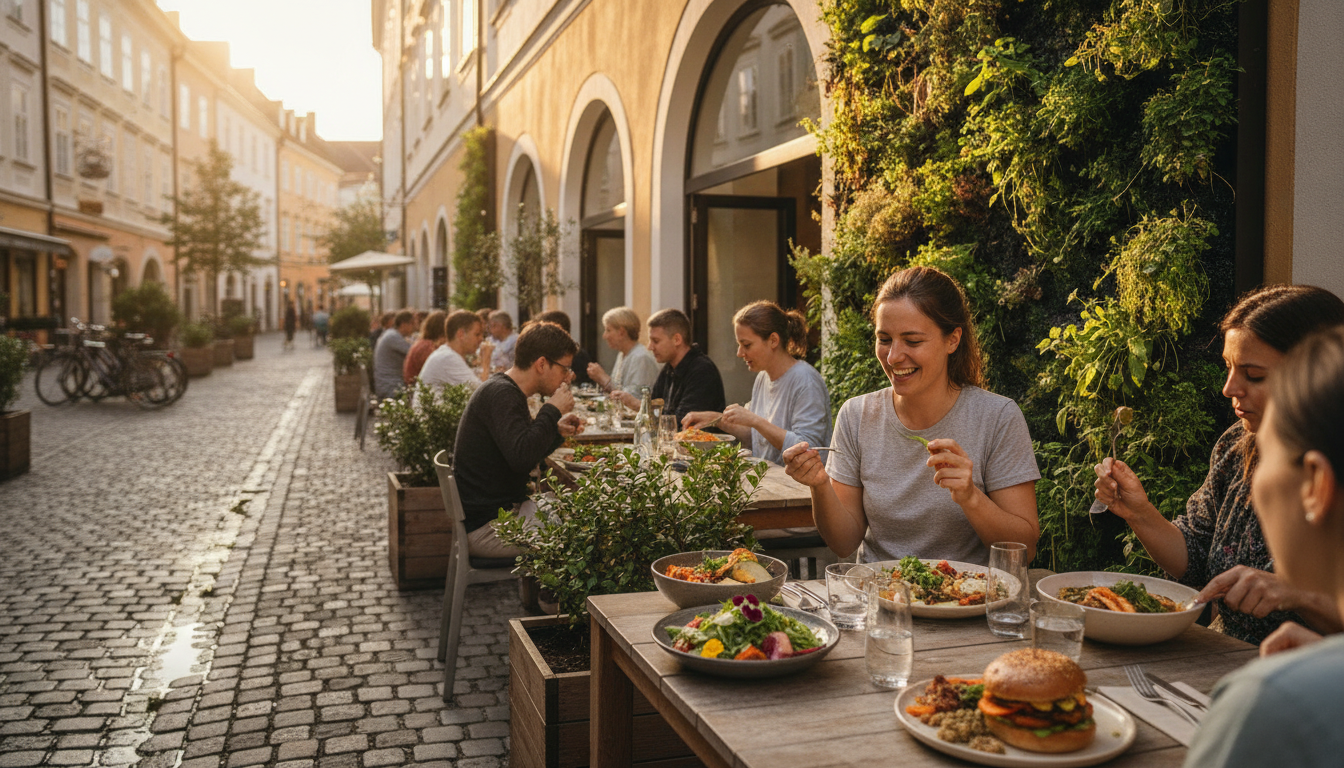
Climate-conscious planning runs through all the projects: tree-planting drives, de-paved squares, solar panels on public roofs and the goal of creating short-distance routes – the city is using its manageable size to its advantage. Cycling is visibly gaining more space.
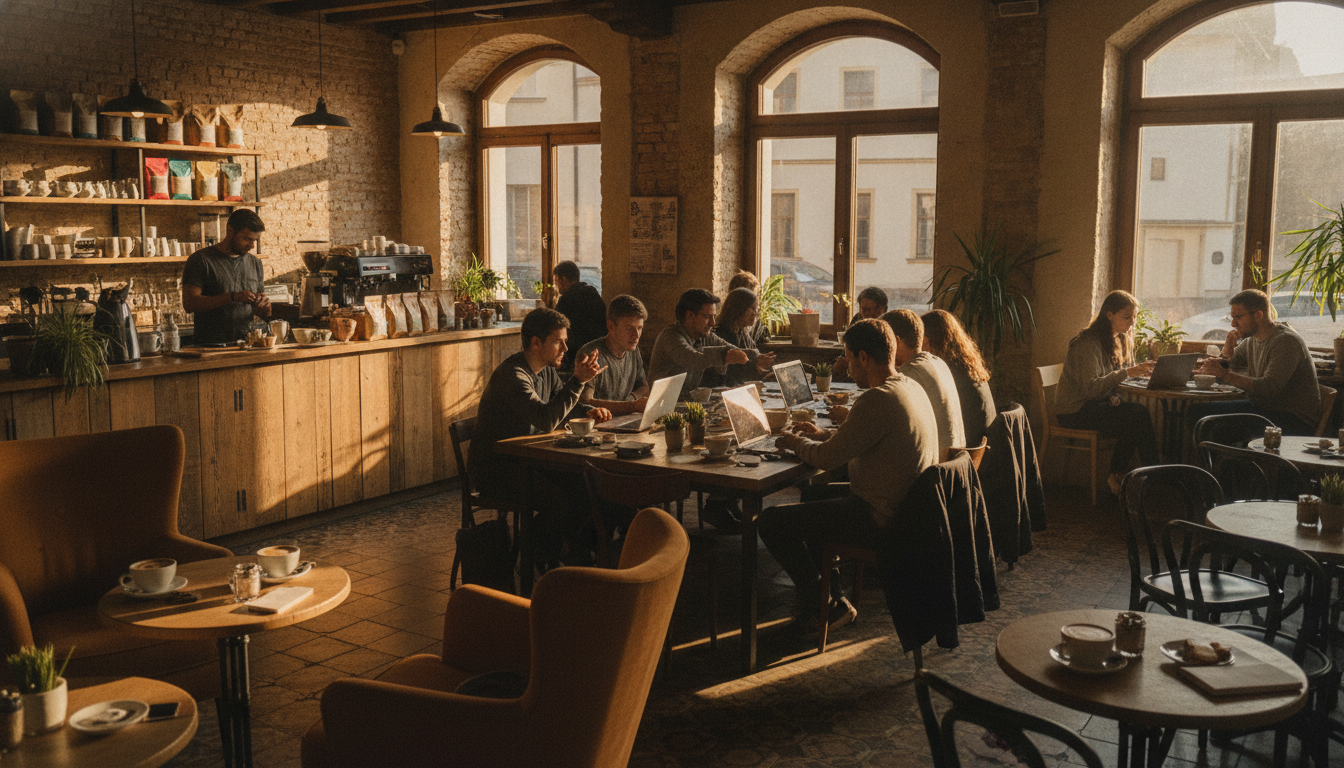
Education and business are also expanding: the university of applied sciences and the education campus are growing, business relocations are concentrating on existing sites, and the combination of capital-city functions and university life is noticeably rejuvenating the city centre – cafés and eateries are following suit.
Anyone wanting to experience this development needs only an afternoon: from the railway station via Rathausplatz and Domplatz to the cultural district, then on along the Traisen to the lake – within just a few kilometres, you can see how the often underestimated capital is becoming a confident city on the water.
The verdict for 2026: St. Pölten is finally making full use of its capital-city status – with squares that invite you in, a river that connects, and projects that keep a sense of proportion. Anyone who hasn't visited the city in years will barely recognise it – and that's meant as a compliment.
Anyone wanting to delve deeper can make use of the city's own formats: construction-site tours, exhibitions on urban development and participation processes make the projects easy to follow – and anyone living, or wanting to live, on the Traisen will find concrete points of contact in the state's housing programmes. Being a capital here explicitly means: staying accessible.
And if you're visiting for the first time, the best approach is to make a weekend of it: Saturday for the cultural district and Domplatz, Sunday for the Traisen and the lake – two days that tell the story of the new St. Pölten in a nutshell, and quietly explain why more and more Viennese are taking the train in the opposite direction.
Die Besten der Stadt