Trier
The 10 Most Important Sights in Trier
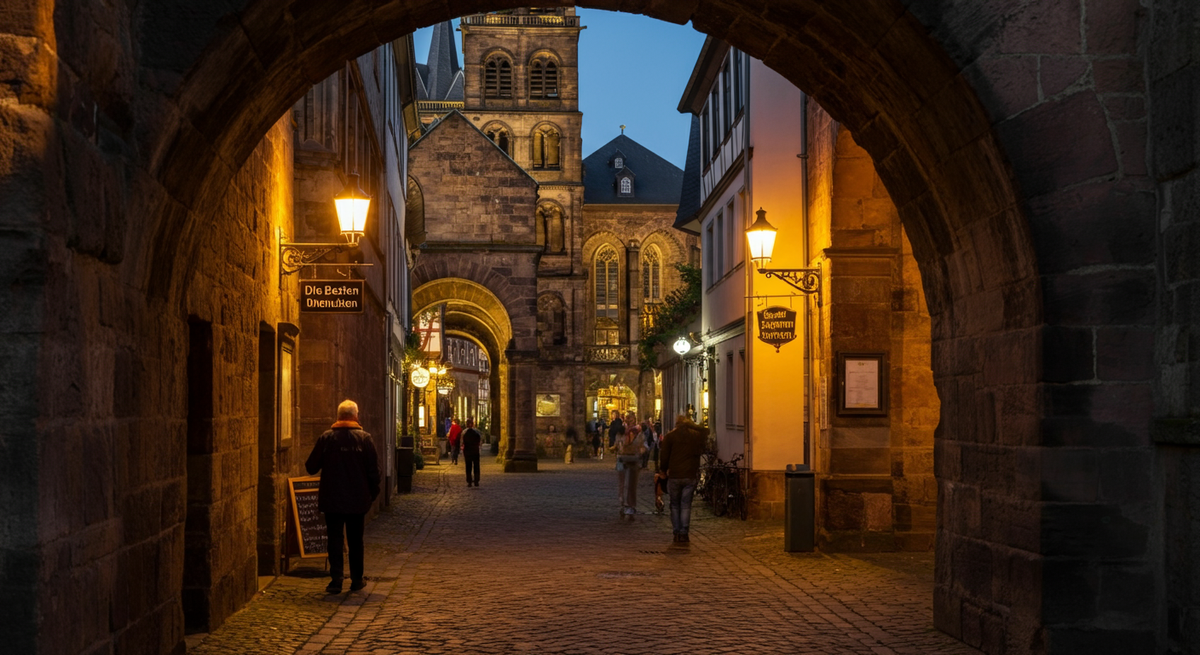
Trier is regarded as Germany's oldest city and combines Roman history with a medieval and Baroque heritage. Several of its buildings are part of the UNESCO World Heritage Site, and most of the sights are so close together that you can easily reach them on foot. Here we introduce the ten most important attractions.
The Porta Nigra: The City's Landmark
The Porta Nigra is Trier's best-known landmark. This Roman city gate dates from the 2nd century and is regarded as the best-preserved Roman city gate north of the Alps. The massive sandstone blocks were laid without mortar and joined by iron clamps. The name, which means “Black Gate”, comes from the dark colouring the stone has taken on over the centuries.
💡 Tip: The gate looks most beautiful in the early morning or late afternoon, when the light is softer and fewer visitors are about.
The Imperial Baths: Roman Bathing Culture
The Imperial Baths were built in the early 4th century, when Trier was an imperial residence. Impressive wall remains survive from the large bath complex. Especially fascinating are the underground passages in which the staff once worked, as well as the remains of the heating system, the hypocausts.
Trier Cathedral
Trier Cathedral is regarded as the oldest bishop's church in Germany. Its origins reach back to late antiquity, and over the centuries elements from different eras were added, including Romanesque and Gothic features as well as a Baroque interior. The cathedral houses the Holy Robe, which according to tradition is said to be the garment of Christ. It is put on display only on special occasions. Together with the Roman buildings and the Liebfrauenkirche, the cathedral is part of the UNESCO World Heritage Site.
The Liebfrauenkirche: Early Gothic
Right next to the cathedral stands the Liebfrauenkirche, one of the oldest Gothic churches in Germany. It was built in the 13th century and stands out for its unusual centralised floor plan, which recalls a flower. Inside, the slender columns and bright windows feel especially light.
The Amphitheatre
The Roman amphitheatre on the slope of the Petrisberg dates from the 2nd century and had room for around 20,000 spectators. Gladiator fights and animal hunts took place here. Cellar vaults survive beneath the arena, giving an insight into the technology behind the scenes. Today the site is also used for events.
The Rheinisches Landesmuseum
The Rheinisches Landesmuseum Trier is among the most important archaeological museums in Germany. It displays finds from prehistory through the Roman era to the Middle Ages, including Roman mosaics and funerary monuments such as the Neumagen wine ship. The Trier gold coin hoard from Roman times can also be seen there. Allow a few hours for the visit.
💡 Tip: Find out about current opening hours, guided tours and admission prices beforehand, as they can change.
The Basilica of Constantine
The Basilica of Constantine, also known as the Palace Hall, was built in the early 4th century as the throne room of Emperor Constantine. The brick building is around 67 metres long, a good 27 metres wide and about 33 metres high, and is regarded as the largest surviving single room of antiquity. Today it is used as the Protestant Church of the Redeemer. The plain, monumental hall impresses above all with its size.
The Electoral Palace and the Palace Garden
Next to the Basilica of Constantine stands the Electoral Palace, which was built in the 18th century as the residence of the Electors of Trier. It is a fine example of the Baroque and Rococo. The adjoining Palace Garden is freely accessible and invites you to take a stroll, especially in spring and summer.
The Barbara Baths
The Barbara Baths from the 2nd century were among the largest bath complexes of the Roman Empire. What survives is mainly foundations and cellar areas. They show how elaborately the Romans combined bathing, sport and socialising.
The Igel Column
The Igel Column stands in the village of Igel, about ten kilometres south-west of Trier. This Roman funerary monument, around 23 metres high and dating from the 3rd century, is among the best-preserved of its kind north of the Alps and is part of the UNESCO World Heritage Site. The reliefs show scenes from the life and trade of the family that had the monument erected.
💡 Tip: Combine your visit to the Igel Column with a cycle ride along the Moselle.
📍 Discover more: Explore further recommendations for Trier on our city page.
Conclusion: Trier as a Journey Through Time
Trier offers Roman monuments, important churches, a museum well worth seeing and a Baroque palace garden in a compact area. The key points at a glance:
Roman heritage: Porta Nigra, Imperial Baths, amphitheatre and Barbara Baths
Churches: the cathedral and the Liebfrauenkirche are part of the World Heritage Site
Museum: the Rheinisches Landesmuseum displays finds from Roman times
Residence: Electoral Palace with its Palace Garden
Allow two to three days if you want to see everything at your leisure. If you are staying overnight, our overview of the best hotels in Trier will help you choose.
Frequently Asked Questions about the Sights in Trier
How many days should you allow for Trier?
Two to three days are enough for the most important sights. The old town is compact, and you can reach most attractions on foot.
Which sights are free?
You can visit the exterior of the Porta Nigra, the Palace Garden and the pedestrian zone without paying admission. A visit to the cathedral is also usually free. Museums and the Roman sites mostly charge an entrance fee.
Are there combination tickets?
Combination tickets are mostly offered for the Roman monuments and museums. You will find current offers and prices at Trier Tourist Information.
Are the sights accessible?
That varies. At the Roman ruins, access is partly restricted because of the historic fabric of the buildings. Ask the individual institutions beforehand.
When is the best time to travel?
Trier can be visited all year round. From May to September, the weather is especially pleasant for walks, gardens and outdoor events.

Daniel Krüger
Daniel erkundet am liebsten das Naheliegende: Tagestouren, kleine Städte, Wanderwege und Orte, an denen man sonst vorbeifährt. Er ist überzeugt, dass die interessantesten Entdeckungen selten mehr als eine Autostunde entfernt liegen.