Ulm
Ulm Minster: Discover Germany's Tallest Church Tower
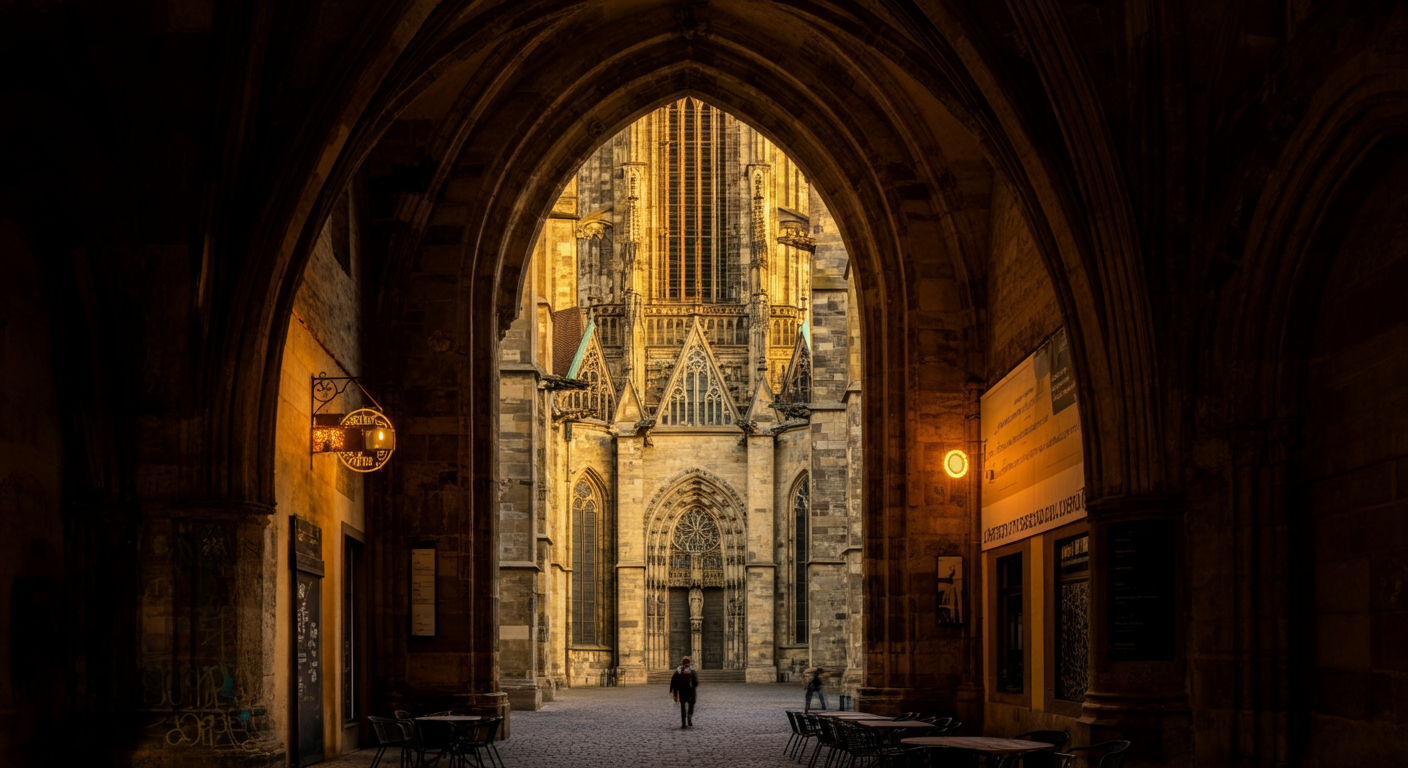
Ulm Minster is one of the most significant Gothic buildings in Europe, drawing hundreds of thousands of visitors to the Swabian city every year. With its 161.53-metre-high tower, Ulm Minster holds the world record for the tallest church tower on earth. This architectural masterpiece combines centuries of history, intricate stonemasonry and a breathtaking panoramic view over Ulm and the Danube valley.
The history of Ulm Minster: from the foundation stone to today
The story of Ulm Minster begins in 1377, when the citizens of Ulm laid the foundation stone. Ulm Minster wasn't built as a bishop's cathedral, but as a citizens' church - a symbol of the confidence and prosperity of the free imperial city of Ulm.
The building history at a glance
The construction of Ulm Minster spanned several centuries:
- 1377: Foundation stone laid under master builder Heinrich Parler
- 1392-1417: Continued under Ulrich von Ensingen
- 1446-1492: Matthäus Böblinger completes the nave
- 1844-1890: Completion of the main tower according to medieval plans
The long construction period of over 500 years left a lasting mark on Ulm Minster. Various architectural styles and eras merged into a unique overall work of art that is now considered the emblem of Ulm.
The master builders behind Ulm Minster
Ulm Minster owes its architectural perfection to several generations of talented master builders. Heinrich Parler laid the foundations for the Gothic design. Ulrich von Ensingen, known for his work on Strasbourg Cathedral, decisively shaped the west façade.
The architecture of Ulm Minster: Gothic mastery in detail
The architecture of Ulm Minster embodies High Gothic style in its purest form. Ulm Minster impresses with its harmonious proportions and delicate stonework, which captivates every visitor.
Exterior architecture and façade design
The west façade of Ulm Minster is considered a masterpiece of Gothic architecture:
- Three monumental portals with elaborate sculptural programmes
- Delicate tracery windows of various sizes
- Buttresses adorned with ornate gargoyles
- The world-famous main tower with its openwork stone spire
The main portal depicts scenes from the Old and New Testaments. The tympana tell biblical stories carved in stone. In the Middle Ages, these pictorial programmes served as a "Bible in stone" for a population that was largely unable to read.
Interior: sacred atmosphere and artistic treasures
The interior of Ulm Minster stretches over a length of 123 metres. The five-aisled nave reaches an impressive height of 41.6 metres. The slender pillars and light-filled vaulting create an atmosphere of vastness and grandeur.
💡 Tip: Visit Ulm Minster early in the morning or late in the afternoon, when the sunlight streaming through the stained-glass windows creates particularly atmospheric lighting effects.
The tower of Ulm Minster: the tallest church tower in the world
At 161.53 metres, the tower of Ulm Minster is the tallest church tower in the world. This architectural superlative makes Ulm Minster an international landmark and a pilgrimage site for architecture lovers.
Climbing the tower: 768 steps to the sky
Climbing the tower of Ulm Minster is an unforgettable experience:
- First platform (70 metres): Overview of Ulm's old town
- Second platform (143 metres): Panoramic view over the Swabian Alps
- Tower spire (161 metres): Views as far as the Alps on a clear day
The climb requires a good level of fitness. The 768 steps wind through narrow medieval spiral staircases. Along the way, there are plenty of opportunities to catch your breath and enjoy the first views.
Panoramic views: experience Ulm from above
From the top platform of Ulm Minster, a spectacular 360-degree panorama unfolds. In optimal weather conditions, visibility can extend up to 150 kilometres:
- North: The Swabian Alps with their distinctive outlier hills
- East: The Bavarian Alpine foothills
- South: The Allgäu and Swiss Alps
- West: The Black Forest on the horizon
Visiting Ulm Minster: practical information
A visit to Ulm Minster should be carefully planned to make the most of this cultural experience. Ulm Minster offers various ways to explore it, suited to different interests and levels of fitness.
Opening hours and admission prices
Ulm Minster is open to visitors all year round:
Church visits (free of charge):
- April to September: 9:00am - 7:30pm
- October to March: 9:00am - 5:30pm
- Sundays: 12:30pm - 5:30pm (after the church service)
Tower climb (admission charge):
- Adults: €5.00
- Concessions: €3.00
- Children up to 6 years: free
- Family ticket: €12.00
Guided tours and special events
Ulm Minster offers various types of guided tours:
- Public tours: Saturdays at 2:30pm (April-October)
- Group tours: Available year-round by prior booking
- Tower tours: Special tours focusing on the tower's architecture
- Evening tours: A special atmosphere under illumination
💡 Tip: Book tours well in advance, especially during the summer months and on public holidays. Demand is high and places are limited.
The art treasures of Ulm Minster: masterpieces of sacred art
Ulm Minster is home to an extraordinary collection of medieval and modern artworks. These treasures make Ulm Minster one of the most significant art museums in southern Germany.
The choir stalls: woodcarving at its finest
The late Gothic choir stalls of Ulm Minster are considered among the finest in Germany. Jörg Syrlin the Elder created this masterpiece of woodcarving between 1469 and 1474:
- 89 seats, each with individually designed armrests
- Depictions of ancient philosophers and sibyls
- Biblical scenes and allegorical figures
- Delicate ornamentation crafted with perfect skill
Every single seat armrest tells its own story. The depictions range from Aristotle to the Church Fathers, from mythological figures to contemporary personalities.
Stained-glass windows: light and colour in a sacred space
The stained-glass windows of Ulm Minster date from various periods and reflect the development of glass painting over the centuries. Particularly noteworthy are:
- The late Gothic choir windows from the 15th century
- Modern stained-glass windows by Johannes Schreiter (20th century)
- The great west window with its complex iconography
- Restored medieval fragments in the side aisles
Sculptures and altars
Ulm Minster houses important sculptures from various periods:
- High altar: Neo-Gothic reconstruction based on medieval models
- Pulpit: Renaissance carving depicting biblical scenes
- Font: Gothic sandstone with rich ornamentation
- Epitaphs: Funerary monuments of Ulm's patrician families
Ulm Minster and Ulm: the city in the shadow of the tower
Ulm Minster shapes not only the skyline of Ulm but also the cultural and social life of the city. Ulm Minster serves as the spiritual and touristic centre around which urban life in Ulm revolves.
Münsterplatz: medieval charm in the heart of the city
Münsterplatz forms the historic centre of Ulm. Grouped around Ulm Minster are:
- The Gothic town hall with its magnificent façade painting
- Historic townhouses from various periods
- The Stadthaus as a modern counterpoint
- Traditional markets and cultural events
The square serves as a stage for Ulm's civic life. Weekly markets, town festivals and cultural events take place here against the imposing backdrop of Ulm Minster.
Cultural significance for Ulm
Ulm Minster is more than just a tourist highlight - it forms part of the identity of the entire region:
- Concerts: Regular organ concerts and choral performances
- Church services: A lively congregation with a varied programme
- City marketing: Ulm Minster as a landmark in the city's public image
- Research: Research projects on building history and heritage conservation
Tips for visiting Ulm Minster: making your visit unforgettable
A visit to Ulm Minster calls for thoughtful planning to take in every facet of this architectural masterpiece. These practical tips will help you make the most of your visit.
The best time to visit
Ulm Minster reveals different sides of itself at different times of day:
Early morning (9:00am-11:00am):
- Fewer visitors, a peaceful atmosphere
- Ideal light for photographing the west façade
- Good visibility from the tower on clear days
Late afternoon (4:00pm-6:00pm):
- Warm light streaming through the stained-glass windows
- A lively atmosphere on Münsterplatz
- Opportunity for evening events
Combining your visit with other sights
A visit to Ulm Minster combines perfectly with other attractions in Ulm:
- Fisherman's Quarter (Fischerviertel): Historic lanes and half-timbered houses (10-minute walk)
- Ulmer Museum: Art and city history (5 minutes)
- Town hall: Gothic architecture and astronomical clock (right on Münsterplatz)
- Danube riverbank: Relax with views towards Neu-Ulm (15 minutes)
Photography tips for Ulm Minster
Ulm Minster offers countless photo opportunities for hobbyists and professionals alike:
Exterior shots:
- A wide-angle lens to capture the whole façade
- A telephoto lens for close-ups of the stonework details
- Golden hour for warm lighting
- Blue hour for dramatic contrast
Interior shots:
- A tripod for longer exposures (with permission)
- High ISO settings for available light
- Wide-angle for capturing the sense of space
- A macro lens for artistic details
💡 Tip: Please respect the house rules of Ulm Minster. During church services and special events, photography may be restricted or prohibited.
📍 Discover more: Explore further recommendations for Ulm on our city page.
Conclusion: Ulm Minster as an essential cultural experience
Ulm Minster combines architectural mastery, centuries of history and vibrant spirituality in a truly unique way. As the tallest church tower in the world and a significant cultural monument, Ulm Minster deserves a place on any cultural tour of Germany.
The key takeaways from your visit:
- Architectural significance: Ulm Minster represents High Gothic style in its purest form
- Historical dimension: 500 years of building history reflect the development of an entire era
- Cultural diversity: World-class art treasures in an authentic historical setting
- Panoramic experience: A unique view from the tallest church tower in the world
- Living tradition: Ulm Minster as an active place of faith and culture
Allow plenty of time for your visit - Ulm Minster reveals its beauty only to the patient observer. Take the opportunity to climb the tower and let yourself be enchanted by the delicate stonemasonry. Ulm Minster will leave a lasting impression with its timeless presence and architectural perfection.
Frequently Asked Questions about Ulm Minster
How tall is Ulm Minster and why is it so special? Ulm Minster reaches a height of 161.53 metres, making it the tallest church tower in the world. This superlative status makes it an international landmark and an architectural masterpiece of the Gothic era.
How long does it take to climb the Ulm Minster tower? Climbing the 768 steps takes 20-45 minutes, depending on your fitness level. Allow extra time for the view and the descent. In total, you should budget 1-2 hours for the complete tower experience.
Is Ulm Minster accessible for wheelchair users? The church interior of Ulm Minster is on ground level and accessible for wheelchair users. Unfortunately, the tower climb is not accessible due to the historic spiral staircases.
When is the best time to visit Ulm Minster? Ulm Minster is worth visiting all year round. For the tower climb, clear days with good visibility are recommended. The summer months offer longer opening hours, while the winter months are less crowded.
Are there car parks near Ulm Minster? There are no parking spaces directly at Münsterplatz. Use the multi-storey car parks in Ulm city centre or the park-and-ride facilities on the outskirts. Ulm's old town is well served by public transport.
Julia Fischer