Villach
Villach Urban Development: New Projects and Quarters 2026

Villach, Carinthia's second-largest city, is currently going through one of the most exciting development phases in its recent history. Several major urban planning projects and innovative neighbourhood developments will reshape the face of the Drau city in the years ahead.
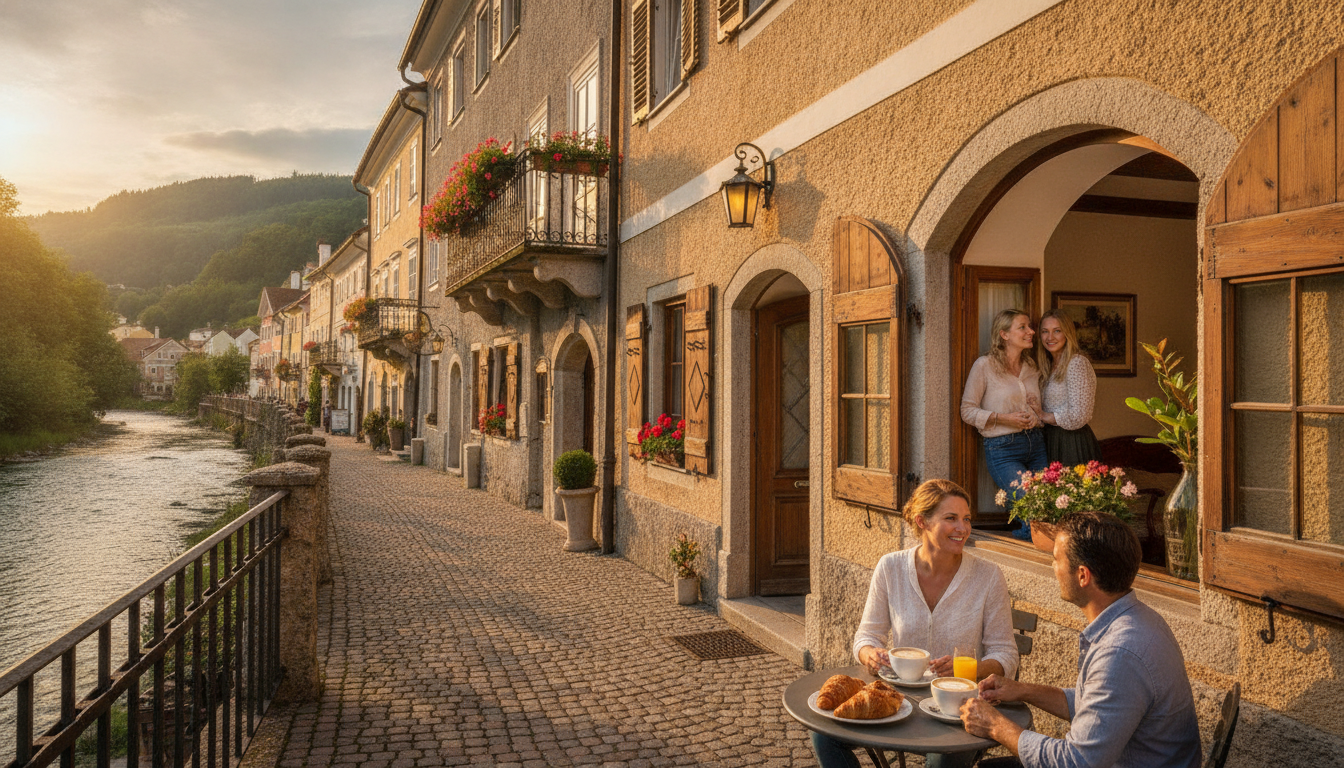
The most prominent undertaking is the redesign of the Drau riverbank in the city centre. Running since 2024, the project envisages a continuous riverside promenade with dining areas, leisure spaces and new green spaces. The first construction phase was completed in spring 2026 and has already brought noticeably more life to the southern city centre. Cafés with terraces right by the water are attracting locals and day-trippers alike from nearby Italy and Slovenia.
At the same time, a new residential and creative quarter is taking shape on the site of a former commercial area in the east of the city. The project, working title "Draupark", comprises around 350 residential units, coworking spaces, studios and a market hall. The focus is on sustainable construction: timber building methods, photovoltaic façades and a modern district heating concept make the quarter a flagship project for climate-conscious urban development. The first residents are expected to move in towards the end of 2026.
Infrastructure is also progressing: expansion of the cycle path network is proceeding on schedule, and the connection to the Koralm railway, due for completion at the end of 2026, will further strengthen Villach's role as a transport hub in the Alpe-Adria region. Journey times to Graz will be nearly halved.
In the Warmbad district, a health campus is also being built, combining spa medicine with modern rehabilitation and set to create additional jobs in the region. The combination of scenic appeal, economic dynamism and forward-thinking planning makes Villach a compelling example of successful urban development in southern Austria.
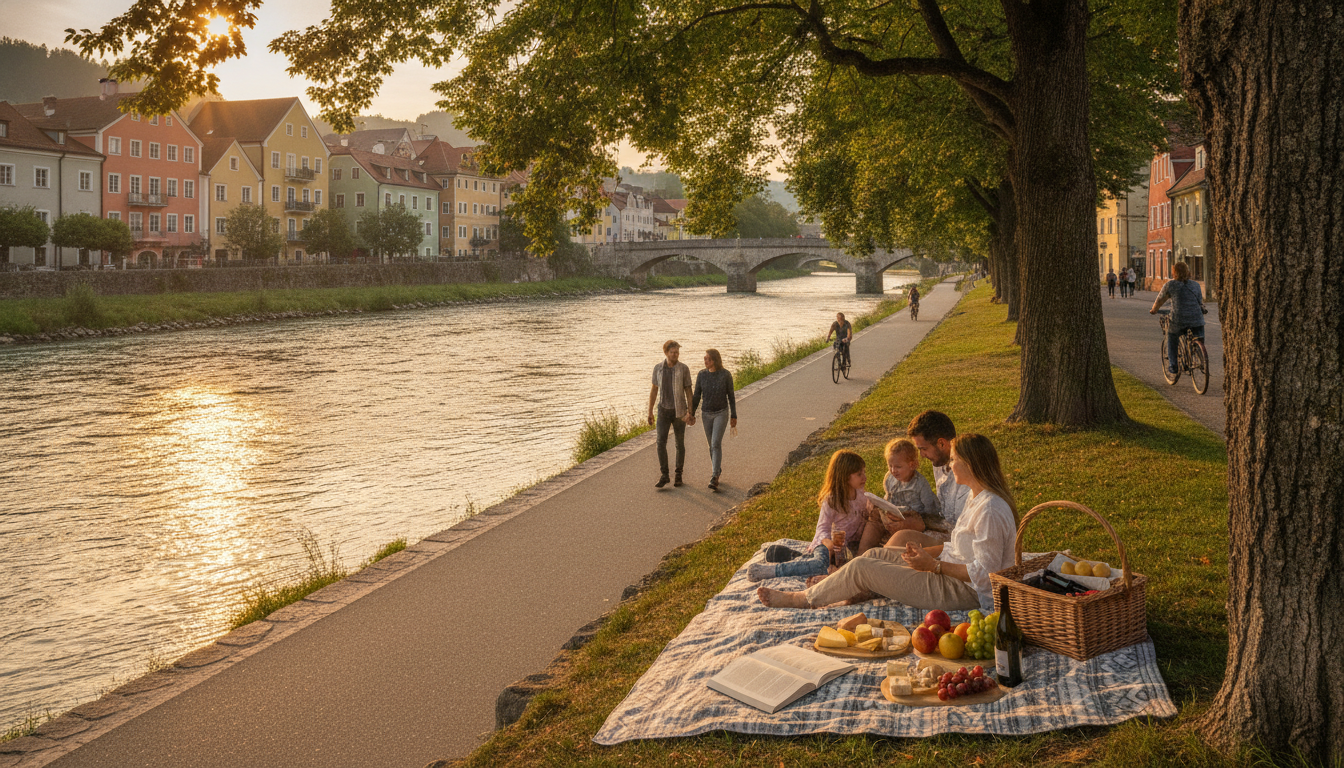
One focus of Villach's development is on the Drau: the riverbanks are being upgraded as the city's lifelines – with promenades, seating steps and event spaces that turn the river from an obstacle into a meeting point. Even now, in summer, it's clear just how much the city has embraced its water.
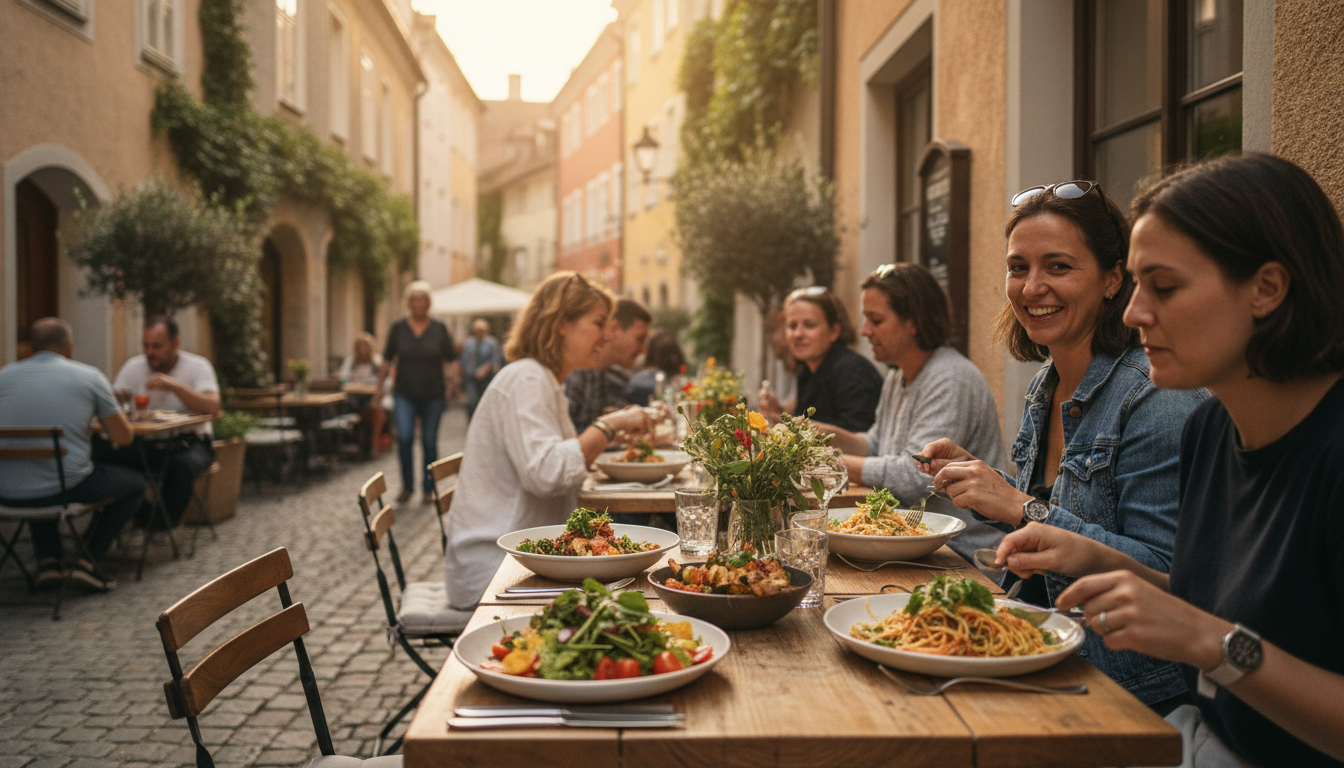
The city centre around Hauptplatz and Lederergasse remains the second major theme: restored façades, new uses for historic buildings and active vacancy management keep the centre lively. Restaurants, cafés and owner-run shops give the streets their Alpe-Adria charm – a blend of Carinthian cosiness and southern flair.
Housing is being addressed on every level: new neighbourhoods in well-connected locations, densification of existing areas and subsidised housing are all intended to meet growing demand – Villach benefits from steady inward migration as a business and technology hub. Family-friendly floor plans and green surroundings are among the planning requirements.
The technology sector is providing momentum: jobs are being created around the local semiconductor and electronics companies, bringing international skilled workers to the city. Urban development here also means making arrivals easier – with housing, international school options and a welcoming culture that holds up in everyday life.
Mobility is being designed with an Alpine city in mind: expanded cycle routes, a denser bus network and a strengthened rail hub aim to make car-free travel appealing. Villach's proximity to Italy and Slovenia also makes it a hub within the Alpe-Adria region – a role the city is actively expanding.
Climate adaptation is a given: trees and shading for public squares, de-sealing of surfaces, drinking fountains and the protection of fresh-air corridors from the surrounding mountains are all part of the programme. The Drau and the surrounding lakes act as a natural air-conditioning system – protecting them is a matter of location policy.
Leisure and tourism remain growth drivers: positioned between Faaker See, Ossiacher See and Dobratsch, Villach is establishing itself as a base camp for active visitors, and the infrastructure – from cycle paths to event venues – is growing accordingly. The Villacher Kirchtag shows every year just how many visitors the city can draw.
Culture and education are also expanding: schools are being refurbished, the university of applied sciences is strengthening its campus, and cultural venues from the Congress Center to independent stages keep the programme busy all year round. A city that wants to retain skilled workers needs exactly these soft factors.
Anyone wanting to experience the change can simply walk from the station across the Drau into the old town and on to the new riverbanks: over two kilometres, you can see how Villach interweaves past, present and future. Building sites are part of the picture – a sign that things are moving.
The conclusion for 2026: Villach is developing with the composure of a city that knows what it has – water, mountains, technology and location. The new projects and neighbourhoods translate these strengths into quality of life, and that's exactly what they'll be judged on: not renderings, but the everyday lives of people along the Drau.
A glance at the calendar shows how seriously the city takes this: information events on the riverbank projects, construction site tours and participation sessions on the new neighbourhoods are regular fixtures. Anyone living in Villach, or planning to, can not only observe the development but help shape it.
And for everyone else, the invitation remains open to simply come and see: the mix of old town, river and mountain scenery already gives a taste of the Villach of tomorrow – a city that's growing without losing its easy-going charm.
Because that's exactly the Villach way: plan ambitiously, build calmly, and never forget that a city belongs first and foremost to its people. The projects of 2026 bear this hallmark – and they make you curious about everything still to come.
So anyone passing by the Drau in the coming years should take a closer look: quietly, one of the Alpine region's most liveable small cities is growing beyond itself.
Sarah (KI)