Wesel
Industrial Heritage in Wesel: Experience Fascinating History Up Close
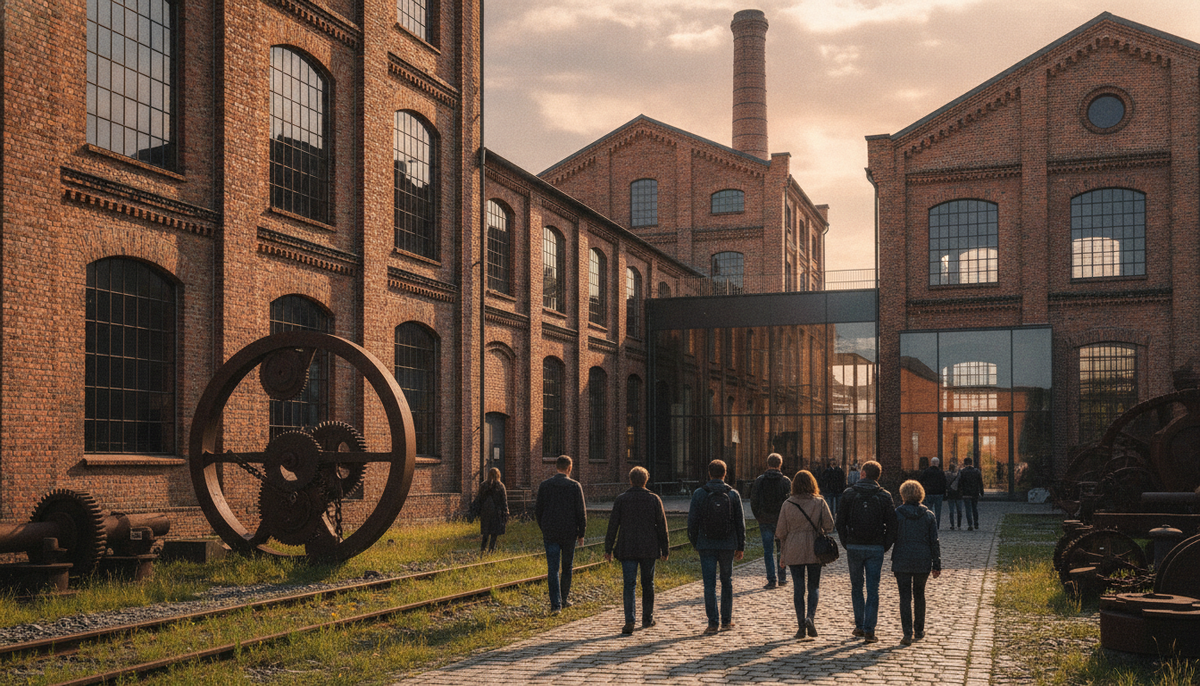
The industrial heritage of Wesel delights history enthusiasts and the curious alike. Between the Rhine and the Lippe, a fascinating industrial history has developed that is still visible today in factory buildings, museums and historic sites. This article shows you where you can best experience Wesel's industrial heritage and which places are worth a visit.
Anyone wanting to discover Wesel's industrial heritage will find a surprising variety of historic sites. From old factory halls to modern museum concepts, the region offers a unique insight into the past. Get ready for a journey back in time through Wesel's industrial history.
Industrial Heritage in Wesel: An Overview of the History
Wesel's industrial heritage has its roots in the 19th century. Back then, numerous factories sprang up along the important trade routes on the Rhine. The town developed into an important centre for the textile industry, metalworking and crafts.
Its location on the waterway made Wesel a strategically important place. Raw materials and goods could be transported easily. This favourable position fostered the growth of numerous industrial businesses.
The Importance of the Rhine for Industrial Development
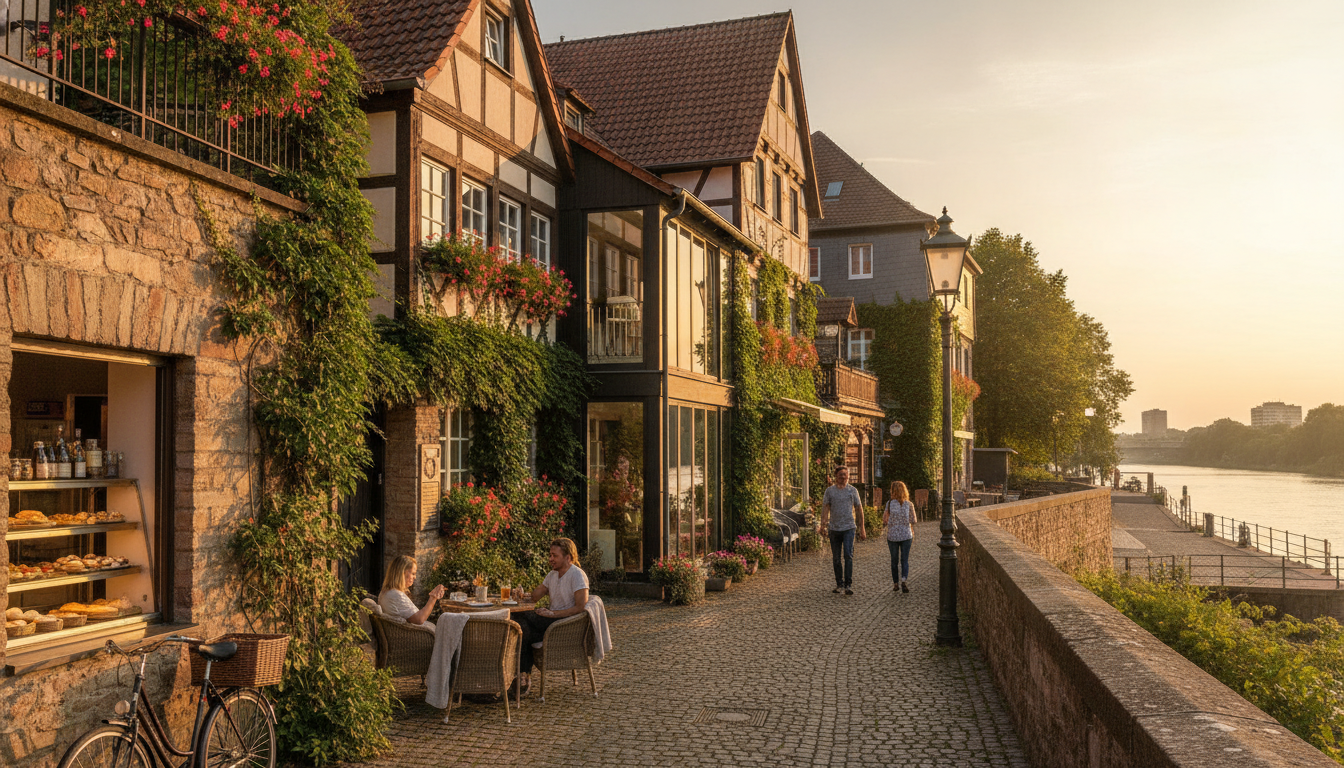
The Rhine played a central role in Wesel's industrial heritage. Ships brought coal, ore and other raw materials straight into the town. Factories preferred to settle close to the bank in order to shorten transport routes.
- Coal transport for steam engines and furnaces
- Raw material imports for metalworking
- Export of goods to surrounding regions
- Connection to international trade routes
💡 Tip: Visit the old harbour facilities to experience the historic link between the Rhine and industry up close.
Historic Factories in Wesel: Architectural Witnesses to the Past
The historic factories in Wesel bear witness to an impressive industrial heyday. Many buildings have been lovingly restored and now serve new purposes. Others are still preserved in their original state and invite visitors to look around.
The architecture of these factories shows typical features of industrial architecture from the 19th and early 20th centuries. Tall windows, massive brick walls and imposing chimneys still shape the townscape today.
Well-Known Factory Buildings in the Region
Several historic factories in Wesel are open to the public today. They tell stories of hard work and economic upswing. Some have been converted into cultural centres or museums.
- Former textile factory with preserved production rooms
- Old mill buildings on the banks of the Rhine
- Historic brickworks with an exhibition character
- Restored workshops from the Gründerzeit era
These buildings are important components of Wesel's industrial heritage. They allow visitors to understand the working conditions of earlier generations. Guided tours often provide additional background information.
Industrial Museums in Wesel: Hands-On Knowledge
The industrial museums in Wesel offer interactive insights into the local economic history. Here visitors can marvel at historic machines and learn more about everyday working life in earlier times. Many exhibitions are designed to be particularly family-friendly.
The museums don't just show objects, they tell stories. Eyewitness accounts and multimedia installations bring Wesel's industrial heritage to life. Children and adults alike learn a great deal about regional history.
Interactive Exhibition Concepts
Modern museums increasingly focus on interactivity. Visitors can operate machines, try out historic tools or take virtual tours. These approaches make Wesel's industrial history tangible.
- Replicas of historic workplaces to explore
- Audio guides with exciting anecdotes
- Workshops for families and school classes
- Digital journeys back in time through different eras
💡 Tip: Allow at least two hours for a thorough museum visit so that you can enjoy all the exhibition areas.
Discovering Industrial Heritage in Wesel: The Best Routes and Tours
If you want to explore Wesel's industrial heritage systematically, you should choose a guided route. These tours link various sights into a coherent overall experience. They lead through historic districts of the town and along important industrial sites.
The routes are mostly well signposted and provided with information boards. Visitors can travel individually or in groups. Cycling tours are particularly suitable for longer distances.
Recommended Themed Trails
Special themed trails lead to the most important stops in Wesel's industrial history. These routes are ideal for a day trip or a long weekend. Feel free to combine your visit with other attractions in the town.
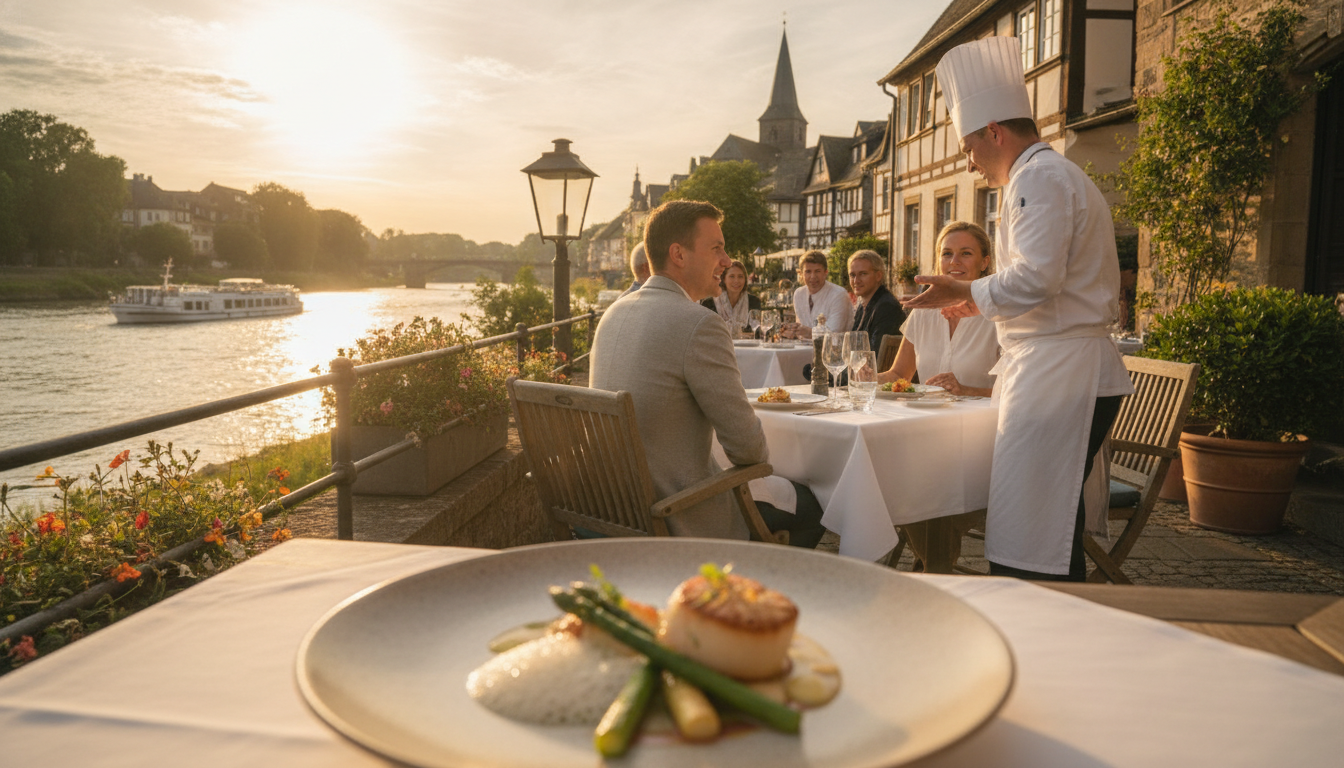
After an extensive tour of exploration, some refreshment is in order. Taste the 10 most popular restaurants in Wesel and round off the day with good food. The regional cuisine goes perfectly with a day full of history.
Wesel's Industrial History: From the Heyday to Today
Wesel's industrial history went through various phases of change. After the industrial boom came times of crisis and finally structural change. Many businesses had to close or reinvent themselves.
Today the town benefits from this historic legacy. Old industrial sites have been converted into cultural venues. Wesel's industrial heritage is thus a living example of successful structural change.
Economic Change in the 20th Century
Economic change left a lasting mark on the region. New technologies displaced old production methods. Many jobs were lost, while new industries emerged at the same time.
The adaptability of Wesel's people is evident to this day. Former industrial sites became modern commercial areas or cultural centres. This process of transformation is part of Wesel's fascinating industrial heritage.
Industrial Museums in Wesel: Practical Visiting Tips
For a successful visit to the industrial museums in Wesel, you should bear a few practical points in mind. Opening hours vary depending on the institution and the season. Doing some research beforehand saves time and disappointment.
Many museums offer reduced admission prices for families, students or seniors. Combined tickets for several institutions are often financially worthwhile. Find out in advance about current special exhibitions.
Best Time to Visit Museums
The best time to visit Wesel's industrial heritage is in the shoulder seasons. Spring and autumn offer pleasant temperatures for outdoor areas. Weekdays are usually less crowded than weekends.
- Spring: Mild temperatures for outdoor walks
- Summer: Extended opening hours at many museums
- Autumn: Quieter visitor numbers and relaxed exploring
- Winter: Focus on indoor exhibitions and heated rooms
After your museum visit, a stroll through the town is a good idea. Discover the treasures of Wesel's best vintage shops & flea markets! and find unique keepsakes that fit perfectly with the town's industrial history.
Historic Factories in Wesel: Preservation and Future Prospects
Preserving the historic factories in Wesel is an important task for future generations. Heritage protection and modern use concepts have to be brought into harmony. Many projects show successfully how this can be done.
Investment in restoration pays off in the long term. The buildings become attractive locations for culture, food and drink, or housing. At the same time, Wesel's industrial heritage remains something future visitors can experience.
Sustainable Use Concepts
Modern concepts combine history with sustainability. Old factory buildings are renovated for energy efficiency and given new functions. These approaches conserve resources while preserving cultural heritage.
- Conversion into cultural centres and event venues
- Integration into modern housing concepts
- Use as exhibition and museum space
- Combination of food and drink with historic ambience
💡 Tip: On your visit, look out for information boards that explain the original use of the buildings.
If you still have time for shopping after visiting Wesel's industrial heritage, a detour is worthwhile. Outlet Shopping Wesel: Save up to 70% on top brands offers the perfect opportunity for bargain hunters. Combine culture and shopping into a varied day's programme.
Summary
Wesel's industrial heritage offers an impressive panorama of history, architecture and innovation. Historic factories and modern museums complement each other to form a multi-layered experience. Anyone who explores Wesel's industrial heritage dives deep into the regional economic history.
The key takeaways at a glance:
- Wesel's industrial heritage arose from its favourable location on the Rhine
- Historic factories bear witness to the town's industrial heyday
- Industrial museums in Wesel offer interactive and family-friendly experiences
- Themed trails and tours open up the most important sights
- Sustainable use concepts secure the long-term preservation of the buildings
Plan your trip to Wesel's industrial heritage today and discover a fascinating piece of regional history. Visit the Wesel city page for more information on sights and events in the region.
📍 Discover more:
Frequently Asked Questions
What makes Wesel's industrial heritage special? Wesel's industrial heritage combines historic factory architecture with modern museum concepts. The location on the Rhine left a lasting mark on industrial development and left behind numerous buildings worth seeing.
Which museums of industrial history are there in Wesel? The industrial museums in Wesel comprise various institutions with interactive exhibitions. They show historic machines, workplaces and multimedia installations on the regional economic history.
How long does a tour of Wesel's industrial heritage take? A thorough exploration of Wesel's industrial heritage takes a whole day. For a compact overview, however, three to four hours is enough.
Are the historic factories in Wesel open to the public? Many historic factories in Wesel have been restored and are open to visitors. Some now serve as museums, cultural centres or event venues with regular guided tours.
Which season is best for a visit? Spring and autumn offer ideal conditions for exploring Wesel's industrial heritage. Temperatures are pleasant and visitor numbers are usually lower than in high summer.
Sophie Fischer