Wiesbaden
Discover the 15 Breathtaking Sights in Wiesbaden
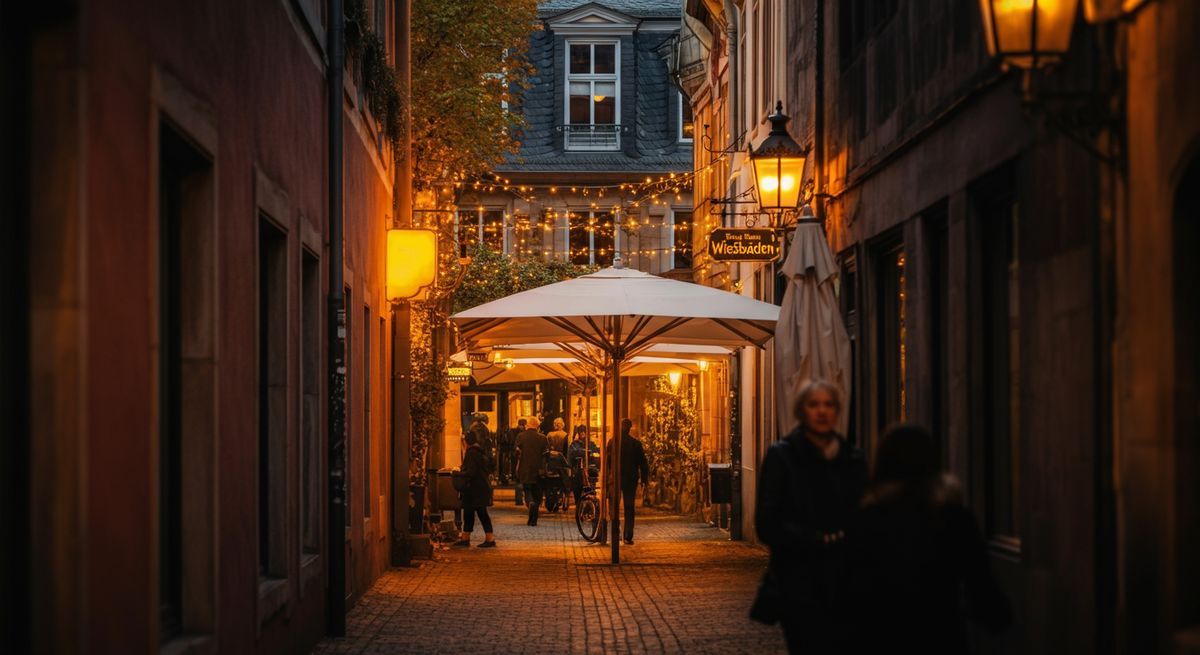
Wiesbaden, the elegant state capital of Hesse, combines historic splendour with relaxed big-city charm. The sights in Wiesbaden tell of centuries of city history – from hot springs that the Romans already prized to magnificent Belle Époque buildings. Whether you are interested in architecture, culture or wellness: this city has something for every taste. In this guide, we introduce the 15 most beautiful attractions that you should not miss on your visit.
Sights in Wiesbaden: Historic Spa Buildings and Thermal Baths
The famous thermal baths and spa buildings are among the city's most important sights. The Kurhaus Wiesbaden, built between 1904 and 1907, is regarded as one of the most beautiful spa buildings in Europe. The neoclassical façade and the impressive Kursaal, with its 1,350 square metres, make it an architectural masterpiece.
Kaiser-Friedrich-Therme - Wellness in the Roman Style
The Kaiser-Friedrich-Therme offers an authentic Roman-Irish bathing experience in historic surroundings. The thermal bath, which opened in 1913, captivates with:
- Faithful Roman bathing culture with different temperature levels
- Magnificent Art Nouveau architecture with marble and mosaics
- Healing thermal springs with a water temperature of 66°C
- Relaxing sauna area and wellness offerings
💡 Tip: Visit the spa early in the morning or late in the evening for a particularly relaxed experience.
Kochbrunnen - The Heart of the Thermal Springs
The Kochbrunnen is the best known of Wiesbaden's 26 hot springs and bubbles up 500,000 litres of 66°C thermal water every day. The magnificent fountain pavilion from 1854 surrounds the main spring and invites you to linger – even the smell of the mineral-rich water makes clear why the city has held its reputation as a spa town for so long.
Top Attractions in Wiesbaden: Magnificent Religious Buildings
The religious buildings are among the most impressive attractions in the city. The Marktkirche, officially the Evangelische Marktkirche Nassau, sits majestically above the Schlossplatz. The neo-Gothic brick building from 1862 impresses with its 98-metre tower and magnificent stained-glass windows.
Russian Church - Golden Domes in the Kurpark
The Russian Orthodox Church of St Elizabeth is regarded as one of the most beautiful Orthodox churches in Germany. The five golden onion domes and the richly decorated façade make it a photographic highlight:
- Built 1847-1855 in the Russian-Byzantine style
- Commissioned by Duke Adolf of Nassau for his Russian wife
- Magnificent iconostasis and artistic interior furnishings
- Picturesque location in the Kurpark among old trees
St. Bonifatius - Neo-Gothic Splendour
The Catholic parish church of St. Bonifatius impresses as the largest church in Wiesbaden with its imposing neo-Gothic architecture. The 68-metre tower and the artistic stained-glass windows make it one of the most striking buildings in the cityscape.
Highlights in Wiesbaden: Museums and Cultural Institutions
Wiesbaden's museum landscape offers fascinating insights into art, history and culture. The Museum Wiesbaden unites art and natural history under one roof and presents both classical and contemporary works – a combination that is rare in Germany.
Stadtmuseum am Markt - History to Touch
In the historic Old Town Hall, the Stadtmuseum documents Wiesbaden's eventful history:
- Roman finds from antiquity
- Medieval urban development
- Heyday as a world-famous spa town in the 19th century
- Modern city history up to the present day
Hessisches Staatstheater - Cultural Highlight
The Staatstheater, opened in 1894, is one of the most renowned stages in Germany. The magnificent Neo-Renaissance building offers:
- Opera and drama performances at the highest level
- Ballet performances and concerts
- Architectural splendour with gilded decoration
- Historic auditorium with 1,041 seats
💡 Tip: Book in good time, as popular performances sell out quickly.
Must-See in Wiesbaden: Palaces and Seats of Power
The Stadtschloss Wiesbaden, today the seat of the Hessian state parliament, recalls the city's princely past. The Baroque building from the 18th century impresses with its symmetrical façade and lavish interiors.
Biebricher Schloss - Baroque Splendour on the Rhine
Biebricher Schloss is regarded as one of the most beautiful Baroque palaces on the Rhine. The complex, built between 1700 and 1750, offers:
- Magnificent Baroque façade 140 metres long
- English landscape park with rare tree species
- Regular concerts and cultural events
- Wonderful view of the Rhine and the Rheingau
Burg Sonnenberg - Medieval Romance
The ruins of Burg Sonnenberg sit high above Wiesbaden and offer wide views over the city. The medieval castle complex from the 12th century is a rewarding destination for a walk away from the city centre.
Green Oases and Parks in Wiesbaden
The Kurpark Wiesbaden extends over 75 hectares and is regarded as one of the most beautiful city parks in Germany. The English-style parkland, laid out between 1852 and 1854, offers relaxation in the middle of the city – and is so central that a break there can be fitted in at any time.
Neroberg - Wiesbaden's Local Hill
The 245-metre Neroberg is the city's most popular nearby recreation area. The historic Nerobergbahn, one of the few water-ballast railways in the world still in operation, has been carrying visitors to the summit since 1888:
- Panoramic view over Wiesbaden and the Rhine valley
- Opelbad - one of the most beautiful open-air pools in Germany
- Russian Church with its golden domes
- Hiking trails and walking paths through the forest
Warmer Damm - Green Promenade
The Warmer Damm connects the city centre with the Kurpark and is regarded as one of the most beautiful avenues in Germany. The 600-metre promenade is lined with:
- Magnificent plane and chestnut trees
- Elegant boutiques and cafés
- Historic Art Nouveau villas
- Relaxing places to sit and linger
If you would like to round off your walk with a coffee break, our selection of the best cafés in Wiesbaden has suitable addresses close by.
Modern Attractions and Events
The Spielbank Wiesbaden in the Kurhaus is one of the most traditional casinos in Germany. Since 1949, visitors have been able to try their luck in historic surroundings. The elegant gaming rooms and stylish ambience make every visit an experience, even without placing a bet at the table.
Wilhelmstraße - Shopping and Architecture
Wilhelmstraße is regarded as one of the most beautiful shopping streets in Germany. The elegant boulevard delights with:
- Historic façades in the 19th-century style
- Exclusive boutiques and international brands
- Cosy cafés and restaurants
- Regular markets and events
Rheingau Musik Festival
Every summer, the renowned Rheingau Musik Festival turns Wiesbaden into a stage for world-class artists. Concerts in historic venues such as the Kurhaus or Schloss Biebrich turn the city's sights into unique concert halls.
Special Architecture and Buildings
Like hardly any other building, the Hessisches Staatstheater stands for Wiesbaden's cultural heyday in the 19th century. The magnificent Neo-Renaissance building was constructed to plans by the Viennese architects Fellner and Helmer.
Ring-Center and Modern Architecture
Besides the historic buildings, the city also offers impressive modern architecture. The RheinMain CongressCenter (RMCC) combines contemporary design with functional elegance:
- Spectacular glass façade
- State-of-the-art conference and event technology
- Architectural contrast to the historic buildings
- Important business and conference venue
Villa Clementine - Art Nouveau Gem
The Villa Clementine, today the Literaturhaus, shows Wiesbaden's artistic side. The Art Nouveau building, built in 1897, houses:
- Literary events and readings
- Art exhibitions by changing artists
- Historic library with rare works
- Idyllic garden for summer parties
If the visit goes well, the day is best rounded off where the city comes together in the evening: in our overview of the best bars in Wiesbaden you will find addresses for the evening after sightseeing.
📍 Discover more: Explore more recommendations for Wiesbaden on our city page.
Conclusion: Discovering the Sights in Wiesbaden
Wiesbaden combines history, culture and wellness into a city experience that differs markedly from other state capitals. The sights reflect the rich past as a world-famous spa town and are complemented by modern attractions.
The key highlights of your visit to Wiesbaden:
- Kurhaus and Kaiser-Friedrich-Therme - Wellness experience in historic surroundings
- Neroberg with Nerobergbahn - Panoramic views and nearby recreation
- Biebricher Schloss - Baroque splendour on the Rhine
- Russian Church - Orthodox architecture with golden domes
- Wilhelmstraße - Elegant shopping in an historic setting
Plan at least two days to explore the main destinations at a relaxed pace. The compact city centre is easy to explore on foot, while public transport takes you comfortably to more distant highlights such as Biebricher Schloss. If you stay longer, it is best to combine sightseeing and the Kurpark with an evening at the Staatstheater.
Visit Wiesbaden and let yourself be captivated by the atmosphere of this traditional spa town.
Frequently Asked Questions about the Sights in Wiesbaden
How many days should I allow for Wiesbaden?
For the main sights, you should allow at least two days. The city centre with the Kurhaus, Marktkirche, Wilhelmstraße and Kurpark is easy to explore on foot, while for the Neroberg and Biebricher Schloss you use public transport. If you also want to fit in the Kaiser-Friedrich-Therme or a theatre performance, it is better to add a third day.
Which sight in Wiesbaden is the best known?
The Kurhaus from 1904 to 1907 is regarded as the city's landmark and as one of the most beautiful spa buildings in Europe, if only because of its Kursaal of 1,350 square metres. Equally well known are the Neroberg with the Nerobergbahn and the Russian Church with its five golden onion domes.
What makes the thermal springs in Wiesbaden special?
Wiesbaden has 26 hot springs. The best known, the Kochbrunnen, delivers around 500,000 litres of thermal water a day at 66 degrees Celsius; the fountain pavilion above it dates from 1854. You can experience the water above all in the Kaiser-Friedrich-Therme, opened in 1913, with its Roman-Irish bathing culture.
How do I get up the Neroberg?
The nicest way is on the Nerobergbahn, one of the few water-ballast railways in the world still in operation, which has run up the 245-metre local hill since 1888. At the top, you will find a panoramic view over Wiesbaden and the Rhine valley, the Opelbad and hiking trails through the forest. The climb on foot is also easily doable.
Is Biebricher Schloss worth a visit?
Yes – the palace, built between 1700 and 1750, is among the most beautiful Baroque complexes on the Rhine. The façade measures 140 metres, behind it stretches an English landscape park with rare tree species, and concerts and cultural events take place regularly. From the riverbank you also have a wide view across the Rhine to the Rheingau.
Tobias Reinhardt
Tobias stammt aus einer Handwerkerfamilie und weiß, worauf es bei einem guten Betrieb ankommt. Er schreibt über Tischler, Elektriker, Dachdecker und alle, die mit den Händen arbeiten. Besonders am Herzen liegen ihm kleine Familienbetriebe, die seit Generationen bestehen.