Wiesbaden
Tapas Tips in Wiesbaden
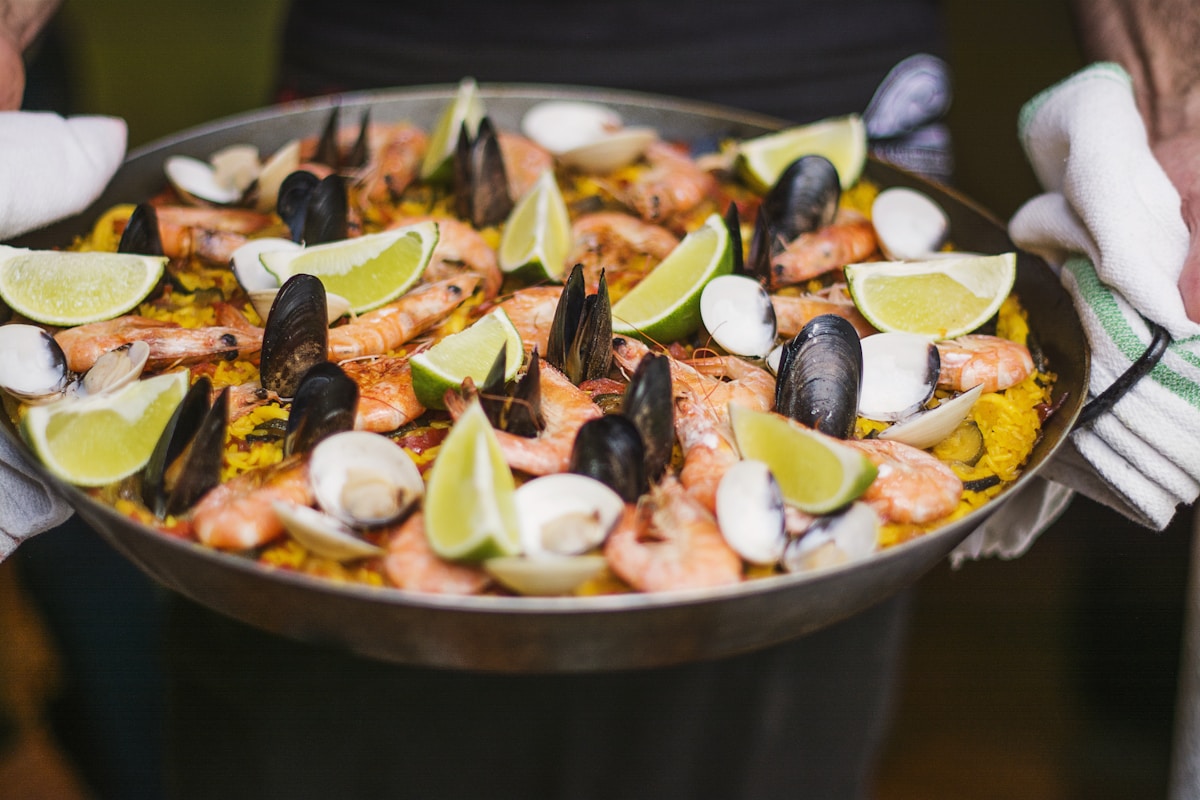
Una Tapa, dos Tapas - the Spanish know a thing or two about eating and living well. With a good 130 different tapas varieties, they leave you with nothing but the agony of choice. But how did tapas really come about, and where do they originate from?
Tapas were first served in the south of Spain, to be precise in Andalusia. Closely linked to these are the country's best-known wines and sherries. It's said that the sherry or wine glass was covered with bread, ham or a little bowl of olives.
This was supposed to stop insects or dust from getting blown into the drink. It also helped preserve the wonderful aroma in the glass.
Nevertheless, various theories persist, with three kings said to have independently played a key role in the creation of tapas.
What exactly are tapas?
Tapas are popular and well known throughout Spain. You can while away the time with various hot or cold tapas in different bars until dinner, which in Spain doesn't take place until between 9.30pm and 11pm.
The options range from fish and meat specialities to vegetarian options, which is why the list goes on forever. Several specialities are also used, such as Serrano ham, chorizo and Manchego cheese. Many of these delicacies are accompanied by mojo, aioli or vegetables.
What's on offer by the Rhine
The choice of tapas with seafood is wonderfully varied:
Boquerones en Vinagre (anchovies marinated in vinegar)
Boquerones fritos (fried anchovies)
Mejillones (mussels)
Almejas a la marinera (clams in a piquant white wine sauce)
Puntillitas fritas (fried baby squid)
Pulpitos en su tinta (very small octopus in its own ink)
Gambas al ajillo (prawns fried in olive oil with chilli and plenty of garlic)
The choice of meat-based tapas is arguably even bigger:
Caracoles (land snails in a piquant sauce, often with chorizo and diced ham)
Pinchos morunos (marinated meat skewers)
Ciruelas (prunes wrapped in bacon and fried)
Albóndigas (meatballs)
Pollo al ajillo (garlic chicken)
Jamón Serrano (Serrano ham)
Pan con Chorizo, Morcilla, Jamón, Queso (white bread topped with chorizo, Spanish black pudding, ham or cheese)
Riñones (sliced kidneys in a white wine sauce with garlic)
Carne en Salsa (pieces of meat in a sauce, similar to a stew)
Orejas a la plancha (fried pig's ears)
Roscos (bagel-like white bread rings with toppings, for example ham and/or cheese)
Jarretes con alcachofas (lamb shank with artichokes) or Cordero de cuenco (braised leg of lamb) are technically also tapas, but in practice they're clearly too big. These are shared among the whole group - the Spanish think of everything.
There's something for everyone among the vegetable-based tapas too:
Ensaladilla Rusa (Spanish potato salad)
Pan con tomate (toasted white bread spread with tomato flesh, garlic and olive oil)
Patatas fritas (chips)
Patatas chips (crisps)
Patatas bravas (fried diced potatoes with a spicy sauce)
Patatas alioli (potatoes in garlic mayonnaise)
Tortillas (potato omelette)
Pimientos de Padrón (peppers fried in olive oil and seasoned with coarse salt)
Aceitunas or also Olivas (various pickled olives)
Almendras fritas (roasted and salted almonds)
In northern Spain, tapas are known as Pinchos (toothpicks). The food is often skewered on colour-coded toothpicks, with the colour also frequently indicating the dish's price. In some parts of Spain, they're accordingly called Banderillas, since the toothpicks resemble the colourful darts used in bullfighting.
White or red wine?
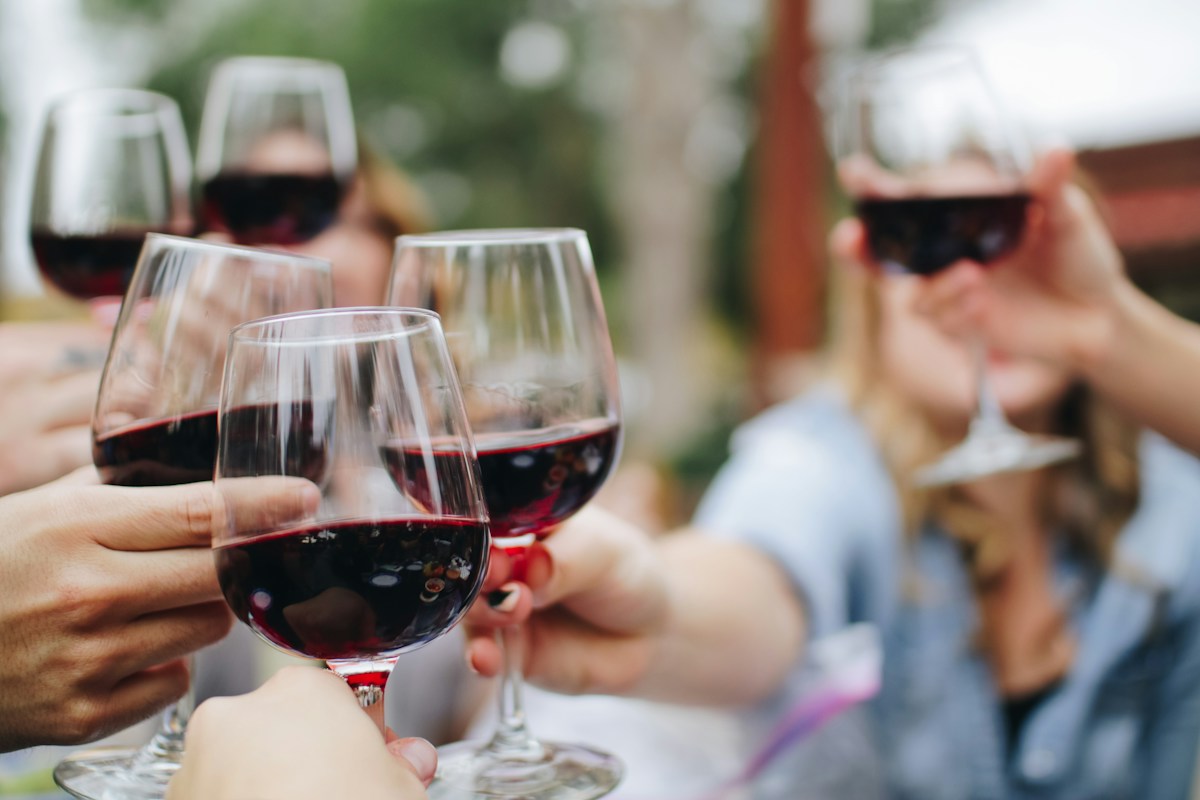
Traditionally, tapas are served almost exclusively with alcoholic drinks such as Spanish beer, wine or sherry, radler or Tinto de Verano - one of Spain's most typical drinks, similar to sangría but not to be confused with it.
But of course, everyone should and can drink whatever they like with it - juice, coffee, spirits or water are all perfectly fine in tapas bars in Germany too.
Tapas certainly come in just as vast a range as Spanish wines. Here's a rough guide to which wine goes with which tapa.
You can't go wrong with a white wine alongside seafood, vegetables or chicken. A good choice might be a light Chardonnay, an Albariño or a fruity Sauvignon Blanc.
Red wine usually goes with meat, and the same applies to meat-based tapas. Here, you can hardly go wrong with a Garnacha or a Tempranillo. The tapas being served determine how concentrated the wine can or should be.
The atmosphere in tapas bars in Wiesbaden
You'll find Mediterranean flair alongside Spanish cuisine in tapas bars. Rustic restaurants tend to feature plenty of terracotta, bold splashes of colour, wood and brown tones, just like classic tapas bars. They look like ordinary German pubs, with a bar with stools and small seating clusters dotted about.
The delicious specialities and authentic ambience will win you over. After all, a tapas bar is a place for socialising and for eating and drinking together.
Dining by the Rhine
Is it particularly important for a tapas bar to offer good service? Regardless of which restaurant you're in, the service always matters.
Since tapas still aren't all that well known here, the service is especially important. What's more, traditionally not all the tapas you order are served at the same time. This is actually quite clever, as it means cold tapas - at least in Spain - don't go warm, and warm tapas don't go cold.
The staff should be able to answer any questions about the menu with ease. They should also be able to make recommendations if you're not sure what to order - particularly when it comes to the wine.
You can, of course, also rightly expect the service to be attentive and polite.

Daniel Krüger
Daniel erkundet am liebsten das Naheliegende: Tagestouren, kleine Städte, Wanderwege und Orte, an denen man sonst vorbeifährt. Er ist überzeugt, dass die interessantesten Entdeckungen selten mehr als eine Autostunde entfernt liegen.