Wuppertal
Hidden Gems: Insider Tips in Wuppertal

Wuppertal is often underestimated. Between the famous suspension railway and the city's steep staircases lie places that even many locals don't yet know about. Anyone prepared to leave the beaten track will discover a city full of surprises.
A genuine insider tip is the Skulpturenpark Waldfrieden, tucked away in a wooded valley in the Barmen district. On the grounds of a former industrialist's villa, British sculptor Tony Cragg has created a place where contemporary art and nature form an unusual bond. The changing exhibitions in the purpose-built pavilions attract international attention, yet admission remains reasonably priced.
No less impressive is the Hardt-Anlage, a sprawling park on Wuppertal's heights. While the Botanical Garden with its themed gardens and the historic Elisenturm is well known to many, a hidden path behind the garden leads to an old quarry where a still pond has now formed. It's the perfect spot for a break away from the hustle and bustle.
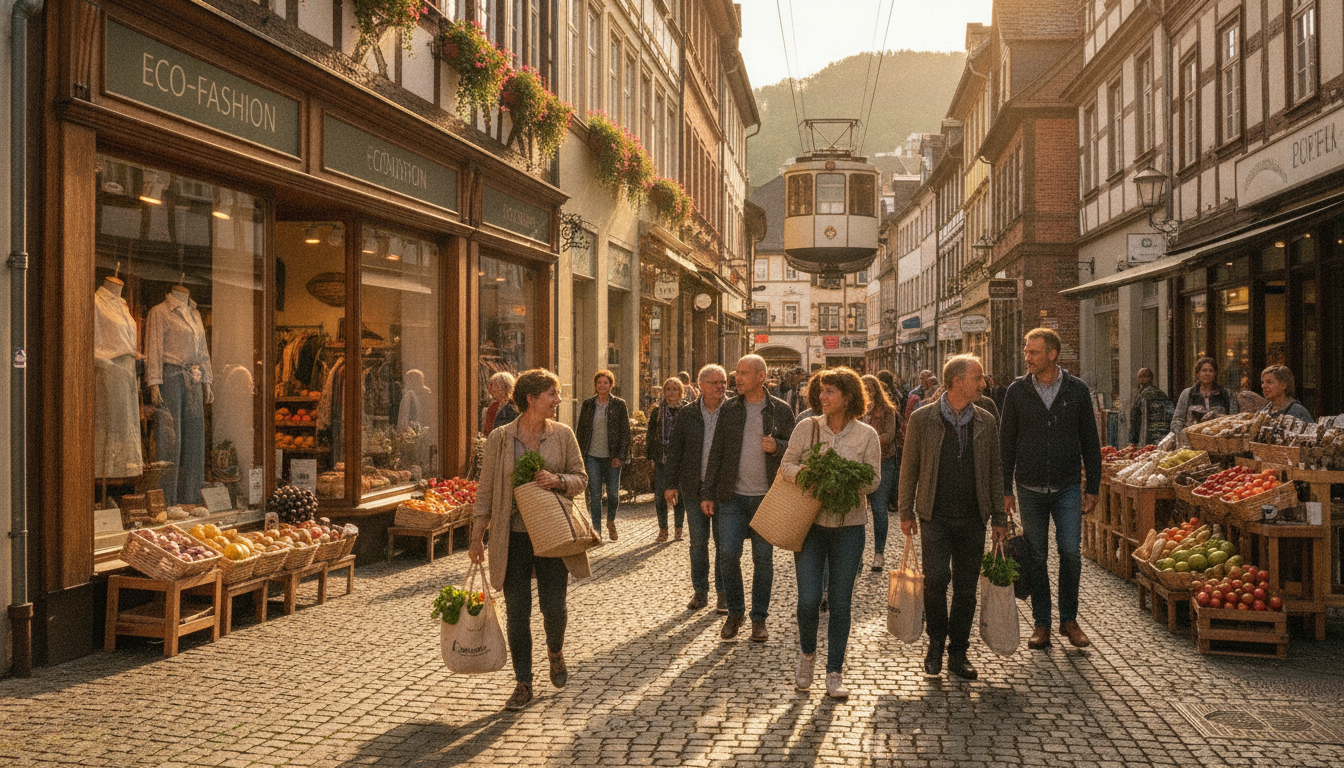
Off the main streets, it's well worth exploring the Luisenviertel, the city's most charming old-town quarter, for its food and drink. In the winding lanes around Luisenstraße, you'll find owner-run cafés, small bookshops and vintage shops. There are no chains here, just plenty of character. The quarter really comes alive on Saturday mornings, when the small weekly market takes place on Laurentiusplatz.
Another insider tip is the Nordbahntrasse, a former railway line that has been converted into a continuous cycling and walking path. Over 22 kilometres, it runs through tunnels, over viaducts and past industrial landmarks. The viewpoints along the route offer spectacular views over the city, especially in the evening.
For culture lovers, the Von der Heydt-Museum is a must, but if you prefer something more intimate, the Bibelmuseum am Kolk houses one of Europe's most extensive Bible collections. This small museum is a peaceful retreat that surprises visitors with its understated elegance and historic exhibits.
The best way into Wuppertal's lesser-known side is via the Nordbahntrasse: the former railway viaduct, now converted into a cycling and walking path, runs high above the city through tunnels and over bridges — with views, cafés along the way, and a panorama that finally makes sense of the city's topography. Locals use the route for everyday journeys, while visitors treat it as a sightseeing route with no admission charge.
The Skulpturenpark Waldfrieden offers art in green surroundings: on the wooded hillside, sculptor Tony Cragg displays his own work alongside changing exhibitions by international colleagues — glass pavilions among old trees, plus villa architecture and woodland paths. It's a place of international standing that, surprisingly, many outsiders have never heard of.
Things get urban in the Luisenviertel: the lanes below the Laurentiuskirche are home to cafés, pubs and owner-run shops — its more genteel counterpart is the Ölberg, one of Germany's largest continuous Gründerzeit quarters, where neighbourhood culture and small community initiatives set the tone. Both quarters show just how much life is packed between the slopes.
Green insider tips can be found up on the heights: the Botanical Garden on the Hardt terraces its way up to a viewing tower overlooking the city, and if you want to venture further out, the Burgholz state forest is home to one of Europe's largest arboretums — including non-native tree species. Right out to the east, Beyenburg awaits with its reservoir, monastery church and a village centre that feels more like a picture-book Bergisches Land scene than part of a big city.
Railway enthusiasts are drawn to the Müngstener Brücke: Germany's highest steel railway bridge spans the Wuppertal valley spectacularly, and the bridge park beneath it is a lovely spot for a picnic. Combining a ride on the suspension railway with a walk across the bridge makes for a day full of engineering marvels.
Culturally, the city thrives on Pina Bausch's legacy: the Tanztheater has carried Wuppertal's name out into the world, alongside opera, the Von der Heydt-Museum's programme, and independent stages in old factories. If you're out for the evening, combine a performance with a round of pubs in the Luisenviertel.
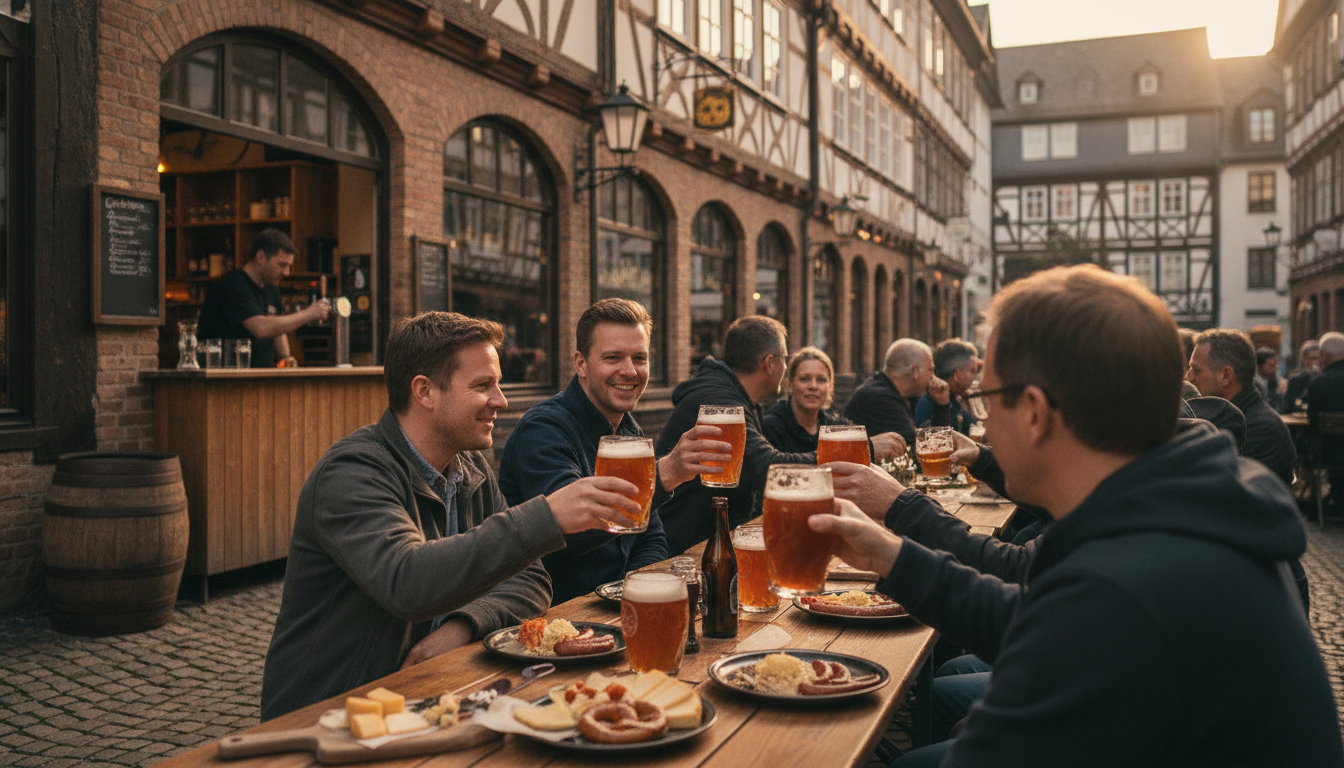
When it comes to food, the city stays true to its Bergisches roots: coffee and waffles at the excursion cafés, international cuisine along the valley, and a growing café scene in the various quarters. Prices are noticeably lower than along the Rhine — another insider tip for food lovers.
Practical info: the suspension railway and S-Bahn trains serve the valley, while the heights are reached by bus or via staircases — the city has hundreds of them, and climbing them rewards you with great views. Sturdy shoes aren't hiking gear in Wuppertal, they're everyday wear.
What's the best time of year? Any time: in spring, the Hardt blooms; in summer, the Trasse and Lake Beyenburg beckon; in autumn, the Burgholz glows with colour; in winter, museums and stages draw you in. Wuppertal isn't a fair-weather destination — it's a destination for explorers.
So, in conclusion: between the suspension-railway cliché and reality lies a city full of surprises — steep, green, creative and pleasantly unpretentious. Anyone who works through the insider tips will understand why the people of Wuppertal love their city with a mix of irony and affection — and may well start to share that attitude themselves.
Anyone who's caught the bug after their first visit should plan their next trip around the festivals: events on the Trasse, neighbourhood festivals on the Ölberg and the long museum nights all show the city in motion. And one final tip for early risers: catch the very first suspension railway ride of the day, while the valley is still quiet — thirty minutes of city history in flight, and the day can begin. You'll soon notice: this city doesn't collect superlatives, it collects characters — and once you know its quieter sides, you'll feel a little like one of them.
Die Besten der Stadt