Wuppertal
Industrial Heritage in Wuppertal: Discover Fascinating Museums
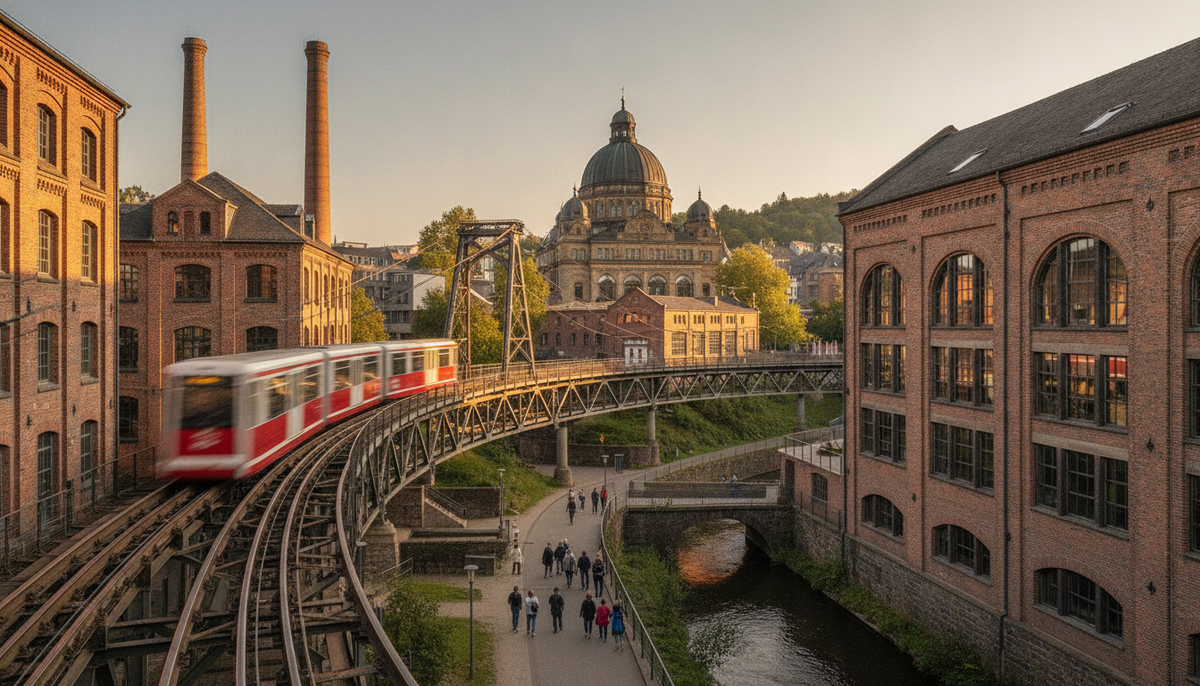
Wuppertal is inseparably linked to its industrial past. If you visit the Industriemuseum Wuppertal, you will be immersed in a world of steam engines, looms and impressive factory architecture. In this article, we show you the loveliest museums, monuments and historic sites that bring Wuppertal's unique industrial heritage to life.
The city on the Wupper was once one of the most important centres of the German textile industry. Even today, numerous buildings, machines and exhibitions tell this fascinating story. The Industriemuseum Wuppertal is the central anchor point for anyone who wants to learn more about this era. Let's discover the most exciting places together.
Industriemuseum Wuppertal - The Heart of Textile History
The Industriemuseum Wuppertal is regarded as one of the most important addresses for history enthusiasts in the region. Here you will learn how Wuppertal developed from a small craftsmen's village into an industrial metropolis. The exhibitions show original machines, historic photographs and the personal stories of the workers.
The collection of looms and spinning machines is particularly impressive. These exhibits make clear how hard working conditions were in the 19th century. The Industriemuseum Wuppertal conveys this period in a vivid and emotional way.
Why a Visit Is Worth It
- Faithful reconstructions of historic production sites
- Interactive stations for children and adults
- Changing special exhibitions on regional topics
- Expert tours with exciting anecdotes
💡 Tip: Allow at least two hours for your visit to the Industriemuseum Wuppertal so you can explore all the exhibition areas at your leisure.
Visiting Wuppertal's Industrial Heritage - Places You Mustn't Miss
If you want to visit Wuppertal's industrial heritage, you will find far more than just a museum. The whole city is a living witness to industrialisation. From restored factory buildings to old workers' housing estates, there is plenty to discover.
The Nordbahntrasse in particular, a former railway embankment, leads you past numerous historic industrial buildings. This route combines modern leisure use with authentic industrial history. The Engelshaus also offers an authentic insight into the life of wealthy manufacturing families.
The Most Important Stops on the Industrial Heritage Trail
- Nordbahntrasse with historic bridges and tunnels
- Engelshaus as a museum on the Engels family
- Old factory buildings in the Wupper valley
- Historic workers' housing estates in Barmen and Elberfeld
These places impressively show how closely industry and everyday life were interwoven. If you want to delve more deeply into the city's history, you will find further exciting background information on the Wuppertal city page.
Historic Sites in Wuppertal - Witnesses to Industrialisation
The historic sites in Wuppertal tell stories of rise, innovation and hard work. Many buildings have been lovingly restored and are now listed. They form the architectural backbone of the city.
Particularly worth seeing are the old manufacturers' villas in Elberfeld, which bear witness to great prosperity. These villas contrast sharply with the simple workers' houses, which have also been preserved. These contrasts make the historic sites in Wuppertal especially interesting.
Architectural Highlights of the Industrial Era
- Gründerzeit villas with magnificent façades
- Brick factories with characteristic sawtooth roofs
- Historic water wheels along the Wupper
- Restored counting-house buildings as modern office locations
If you are interested in architecture, it is also worth taking a look at the Best Architects in Wuppertal page. There you will find experts who combine modern and historic building methods.
Industriemuseum Wuppertal - Insights into Textile Production
Another highlight at the Industriemuseum Wuppertal is the detailed presentation of textile production. From raw cotton to finished fabric, you will learn about every production step. The exhibition vividly explains how complex and labour-intensive these processes used to be.
Ribbon weaving in particular occupies an important place, as Wuppertal was once regarded as the centre of the ribbon industry. Numerous machines show technological development over several decades. The Industriemuseum Wuppertal makes this development tangible and understandable.
Production Steps at a Glance
- Sourcing raw materials and processing the cotton
- Spinning the fibres into yarn
- Weaving and knitting into finished lengths of fabric
- Finishing and dyeing the textiles
These processes make clear why Wuppertal was once called the 'Manchester of the Continent'. The Industriemuseum Wuppertal preserves this heritage with great care.
Wuppertal's Textile History - From Craft to Industry
Wuppertal's textile history goes back to the 17th century, when the first bleaching works appeared along the Wupper. The clean river water was ideal for bleaching yarns and fabrics. This natural resource laid the foundation for later industrial development.
In the 19th century, Wuppertal developed rapidly into an important location for the textile industry. Numerous factories were built, providing work for thousands of people. Wuppertal's textile history is thus closely linked to the economic upswing of the entire region.
Important Milestones in Textile History
- Emergence of the first bleaching works in the 17th century
- Rise of the ribbon industry in the 18th century
- Industrialisation and factory construction in the 19th century
- Structural change and modernisation in the 20th century
This development can be traced superbly at the Industriemuseum Wuppertal. The exhibitions vividly show how technology and society changed in parallel.
Industriemuseum Wuppertal - Tours and Events
The Industriemuseum Wuppertal regularly offers themed tours tailored to different target groups. Families, school classes and history enthusiasts will find suitable options. These tours bring industrial history to life and make it easy to understand.
The special events on historic holidays or anniversaries are particularly popular. Here, historic craft techniques that you otherwise only know from books are often demonstrated. The Industriemuseum Wuppertal thus creates a particularly intense experience.
💡 Tip: It is best to book tours at the Industriemuseum Wuppertal online in advance, as places often sell out quickly.
Popular Event Formats
- Themed tours on textile production and mechanical engineering
- Children's workshops with hands-on activities
- Evening events with historical talks
- Special exhibitions on regional personalities
After an exciting museum visit, it is worth taking a break in one of the cosiest coffee houses in Wuppertal. There you can let the impressions you have gained sink in, in a relaxed atmosphere.
Historic Sites in Wuppertal - Sustainability and Modern Change
Today, the historic sites in Wuppertal combine past and future in an inspiring way. Many former factory buildings have been converted into modern residential or office locations. This structural change shows how industrial heritage and sustainability can go together.
Awareness of sustainable fashion is also growing steadily in Wuppertal. If you are interested in the origins of the textile industry, you will find exciting parallels with today's fashion industry. If you would like to learn more about conscious shopping, take a look at Sustainable Shopping in Wuppertal.
Examples of Successful Structural Change
- Repurposed factory halls as cultural centres
- Old warehouses as modern loft apartments
- Historic station buildings as food and drink venues
- Former works sites as green recreation areas
These examples show that the historic sites in Wuppertal are not just of museum value. They also actively shape the modern cityscape.
Industriemuseum Wuppertal - Practical Tips for Your Visit
Before you visit the Industriemuseum Wuppertal, there are a few practical points to bear in mind. Getting there by public transport is straightforward and recommended. Car parks are available but can fill up quickly at weekends.
Remember to wear comfortable shoes too, as the exhibition areas are quite large. For families, there are special discounts and combined tickets with other museums in the region. The Industriemuseum Wuppertal places great importance on accessibility and family-friendly offerings.
Useful Information at a Glance
- Opening hours vary by season, check online
- Combined tickets with other museums in the region available
- Step-free access for wheelchair users available
- Café in the museum for little breaks in between
If you still need medication or travel essentials after your museum visit, the overview of the Best Pharmacies in Wuppertal will help. And if you want to round off the day in a relaxed way, you will find the right location in the craft beer bars in Wuppertal.
📍 Discover more:
Conclusion
The Industriemuseum Wuppertal is an indispensable port of call for anyone interested in the city's eventful history. The combination of museum, historic buildings and vivid storytelling makes Wuppertal a real highlight of industrial heritage. If you want to visit Wuppertal's industrial heritage, you should allow enough time for the museum and its surroundings.
The key takeaways in summary:
- The Industriemuseum Wuppertal offers authentic insights into textile production
- Historic sites in Wuppertal still shape the cityscape today
- Wuppertal's textile history goes back to the 17th century
- Tours and events bring history to life
- Structural change links the past with modern use
Plan your visit to the Industriemuseum Wuppertal today and experience the city's fascinating industrial history up close!
Frequently Asked Questions
How long does a visit to the Industriemuseum Wuppertal take? A visit usually takes two to three hours, depending on your interest in the exhibitions. With a guided tour, the duration can be correspondingly longer.
Is the Industriemuseum Wuppertal suitable for children? Yes, there are special interactive stations and workshops for children. The museum places great importance on family-friendly offerings.
Which other historic sites in Wuppertal should you visit? Besides the museum, the Nordbahntrasse, the Engelshaus and historic factory buildings are worth a visit. These places complement the museum visit ideally.
Are there guided tours at the Industriemuseum Wuppertal? Yes, themed tours for different target groups are offered regularly. Advance registration is recommended, as places are limited.
What is the best way to get to the Industriemuseum Wuppertal? Getting there by public transport is the simplest option. Car parks are also available but can be limited at weekends.
Emma Richter