Deutschland
Cheapest Districts in Berlin: Affordable Living in 2026
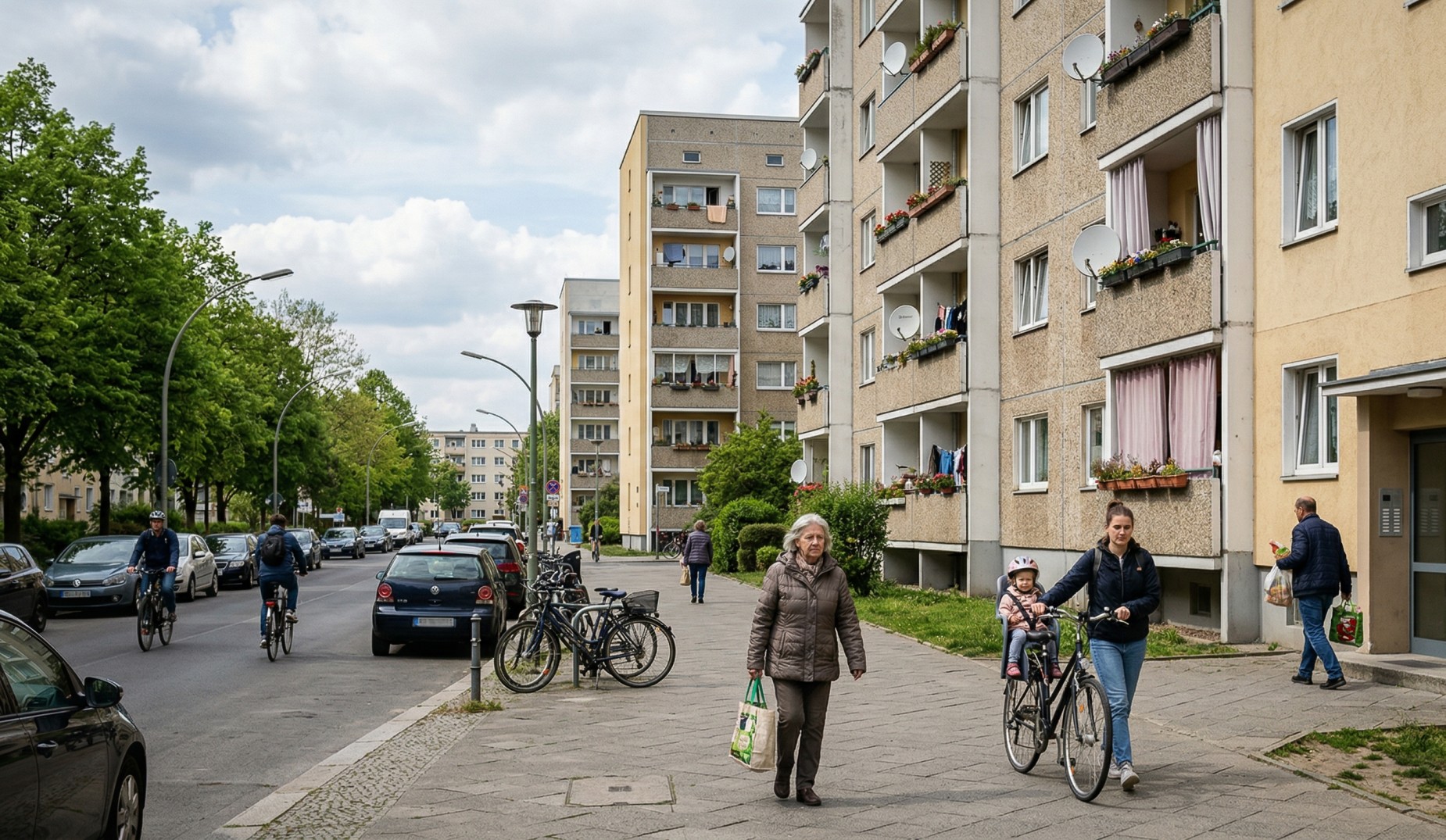
Berlin is now considered one of the most expensive cities in Germany for renting, yet if you look closely, affordable housing options can still be found. Rental prices vary significantly between the different boroughs and neighbourhoods. While Mitte, Charlottenburg or Prenzlauer Berg now command top prices for new lets, other neighbourhoods still offer affordable housing.
However, the search for affordable housing requires compromises on location, fittings or transport links. Nevertheless, many of these neighbourhoods offer authentic Berlin life and continue to develop. Living in Berlin is becoming increasingly challenging, but with the right strategy, you can still find affordable alternatives in 2026.
Marzahn-Hellersdorf: Low rents in the east
Marzahn-Hellersdorf is considered one of the cheapest boroughs in Berlin. The average asking rent here is significantly below the Berlin average. Marzahn and Hellersdorf themselves in particular offer very affordable flats in renovated prefab housing estates – often owned by the state-run housing associations.
The borough scores points with plenty of greenery, the Gardens of the World with its cable car, and good transport links via the U5 underground line and the S-Bahn. Many flats have been renovated in recent years and offer modern living comforts. The infrastructure, with shopping centres, schools and doctors, is well developed.
Despite the affordable housing, the borough is developing positively. New-build projects, the expansion of the tram network and investment in schools are continuously improving the local quality of life.
Spandau: Affordable living on the edge of town
As Berlin's westernmost borough, Spandau still offers comparatively low rents. The districts of Staaken, Falkenhagener Feld, Wilhelmstadt and Hakenfelde in particular are known for their affordable prices. The proximity to the Havel river and extensive green spaces make Spandau especially attractive for families.
Transport links are provided by the S-Bahn, regional trains and the U7, which can mean longer journey times into the city centre depending on location. In return, Spandau offers a historic old town with its Citadel and numerous local recreation areas.
The borough has its own independent infrastructure with shops, restaurants and cultural amenities. Thousands of new flats are also being built here as part of Siemensstadt Square and the new-build districts in Wasserstadt Oberhavel.
Lichtenberg: Up-and-coming borough with fair prices
Lichtenberg is evolving from an insider tip into a popular place to live, but rents remain moderate. Friedrichsfelde, Alt-Lichtenberg and Hohenschönhausen in particular offer good value for money; Karlshorst is already somewhat pricier. The borough benefits from its proximity to Friedrichshain and good transport links.
Many old buildings have been renovated, while new-build projects are emerging. Rummelsburger Bucht has developed into a modern waterside residential quarter. Tierpark Berlin and numerous parks are nearby.
The S3, S5, S7 and S75 S-Bahn lines, the U5 underground line and several tram lines ensure good accessibility. Restaurants, bars and cultural venues are increasingly establishing themselves here.
Treptow-Köpenick: Nature and affordable rents combined
Treptow-Köpenick is Berlin's largest borough and, due to its sheer size, offers very varied residential areas. While Alt-Treptow is already becoming pricier, Köpenick, Bohnsdorf, Altglienicke and Grünau remain affordable. The high proportion of water and green spaces makes the borough particularly liveable.
Transport links are provided by S-Bahn lines, though journey times into the centre are longer. In return, the borough offers local recreation right on your doorstep with the Müggelsee, the Dahme river and extensive woodland.
Köpenick scores points with its historic old town and Köpenick Palace. The infrastructure is well developed, especially for families with children, and the Adlershof science hub brings jobs to the borough.
Reinickendorf: Quiet living at fair prices
Reinickendorf, in the north-west of Berlin, still offers affordable housing in a quiet setting. The Märkisches Viertel, Wittenau and Reinickendorf-Ost in particular are known for their low rents; Heiligensee and Frohnau on the outskirts are greener but pricier. The borough is characterised by plenty of greenery and lakes.
Transport links are provided by the U6, U8 and various S-Bahn lines. On the site of the former Tegel Airport, a new city quarter and research hub are being created with the Schumacher Quartier and the Urban Tech Republic. The proximity to Brandenburg makes Reinickendorf attractive for nature lovers.
Shopping facilities, schools and medical care are readily available. The borough is particularly well suited to families and senior citizens.
Neukölln: Diversity at affordable prices
Neukölln still offers cheaper rents than many other boroughs, even though prices are rising. The northern areas around Hermannplatz and Reuterkiez in particular have now become expensive, while southern areas such as Britz, Buckow, Rudow and Gropiusstadt remain affordable. The borough is known for its cultural diversity and vibrant scene.
Advantages of Neukölln:
- International cuisine and culture
- Good transport links via the U7 and U8
- Up-and-coming art and culture scene
- Tempelhofer Feld nearby
- Diverse shopping options
Gentrification is advancing in the north, while the south remains comparatively affordable. Neukölln offers authentic Berlin life with an international atmosphere.
Tips for house-hunting in affordable neighbourhoods
When searching for affordable housing in Berlin, you should approach it strategically. Widen your search radius beyond the well-known central boroughs. Many affordable neighbourhoods offer surprisingly good quality of life and potential for development.
Key search strategies:
- Register early with the state-run housing associations (degewo, Gesobau, Gewobag, HOWOGE, Stadt und Land, WBM) and housing cooperatives
- Use various online portals with search alerts
- Network via social media and personal contacts
- Visit new-build areas with subsidised flats
- Apply for a Wohnberechtigungsschein (WBS, housing entitlement certificate) – around half of Berlin households are eligible
- Be open to outlying areas with good transport connections
Always check the transport links and infrastructure when considering affordable offers. A slightly longer commute is often worth it for significantly lower rent. For students and those looking for shared flats, we have dedicated guides on student housing in Berlin and shared flats in Berlin.
Future prospects for affordable neighbourhoods
Many of Berlin's currently affordable neighbourhoods are undergoing change. Investment in infrastructure, new building projects and improved transport links are increasing their appeal. This leads to rising rents in the medium term, but also brings a better quality of life.
Marzahn-Hellersdorf, Lichtenberg and Spandau in particular are benefiting from targeted urban development programmes and large new-build districts. The expansion of tram and S-Bahn connections, along with renovation projects, are upgrading these boroughs. Those who move here now can benefit from this positive development.
Berlin's housing policy is increasingly focused on social housing in these areas. As a result, some of the housing stock remains affordable in the long term, while the neighbourhoods overall continue to improve.
Despite rising prices, these boroughs remain more affordable compared to central locations. Choosing one of these neighbourhoods early on can pay off in the long run, both financially and in terms of quality of life.
Frequently Asked Questions about affordable neighbourhoods in Berlin
Which borough in Berlin is the cheapest?
Marzahn-Hellersdorf has the lowest asking rents in the city, followed by Spandau, Reinickendorf and parts of Lichtenberg and Treptow-Köpenick.
Where can you live affordably in Berlin while still being central?
Wedding, Moabit and Gesundbrunnen in the Mitte borough, as well as Alt-Lichtenberg, still offer moderate rents with short journeys into the centre.
What is a Wohnberechtigungsschein and who is eligible for one?
The WBS entitles holders to take up subsidised flats with low rents. It is issued to households below certain income thresholds – in Berlin, that covers a large proportion of the population. It is applied for at the local district office (Bezirksamt).
Is living in an outer borough worth it despite longer journey times?
With the S-Bahn and U-Bahn, most outer boroughs are connected to the centre within 30 to 45 minutes. The rent savings often amount to several hundred euros a month – a good trade-off for many people.
How do I find affordable flats in Berlin?
Register with the state-run housing associations and cooperatives, apply for a WBS, set up search alerts, and respond quickly with complete documentation.
Discover more: You can find further city guides on our Germany page.
Also read: Living in Berlin – rental prices, neighbourhoods and house-hunting 2026
Thomas Wagner