Deutschland
Rental Prices Berlin 2026: Forecasts for the Capital
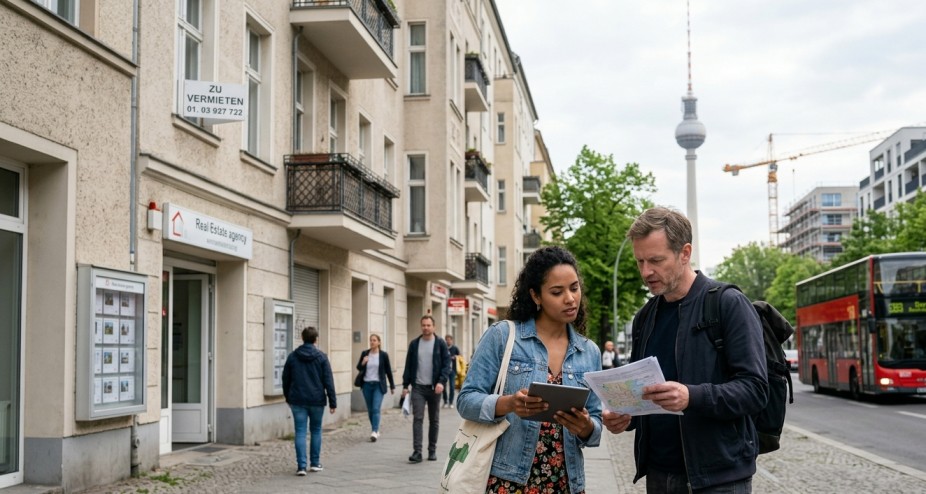
Berlin remains one of Germany's most fiercely contested housing markets in 2026. The capital faces particular challenges when it comes to rent development, which concern tenants and landlords alike.
Current developments reveal complex dynamics between supply, demand and political regulation. For a comprehensive overview of property developments across Germany, we recommend our Germany Property Guide 2026.
Current rent trends in Berlin 2026
Berlin rents are showing a split development in 2026: while existing rents, according to the rent index, remain comparatively moderate, asking rents for new lettings have more than doubled over the past ten years. If you already have a flat, you often live cheaply; if you're searching for one, you pay big-city prices.
In 2026, asking rents average around 15 euros per square metre cold rent, considerably more in central locations. This has put Berlin on a par with Hamburg, now trailing only Munich. This development is heavily influenced by low levels of new construction and continued population growth.
The rent brake (Mietpreisbremse) and the Berlin rent index continue to shape the market for existing tenancies. The Berlin rent cap (Mietendeckel) was struck down by the Federal Constitutional Court in 2021, and the nationwide rules have applied again ever since.
District comparison: where are rents highest?
Rent differences between Berlin's districts remain substantial in 2026. While Mitte, Friedrichshain-Kreuzberg and Charlottenburg-Wilmersdorf command top prices, outer districts still offer more affordable options. The figures below are rough guides for asking rents on new lettings.
Most expensive districts in 2026 (around 17 to 22 euros per square metre):
- Mitte, including Prenzlauer Berg
- Friedrichshain-Kreuzberg
- Charlottenburg-Wilmersdorf
- Inner-city areas of Neukölln and Schöneberg
More affordable alternatives (around 10 to 13 euros per square metre):
- Marzahn-Hellersdorf
- Spandau
- Reinickendorf
- Outer areas of Lichtenberg and Treptow-Köpenick
These price differences reflect varying infrastructure, transport links and demand. Central locations with good transport connections remain particularly sought-after, while prefabricated housing estates on the outskirts are the cheapest option.
Factors influencing rents in 2026
Several key factors determine rent trends in Berlin in 2026. Housing shortages remain the dominant theme, while political decisions exert additional influence.
New construction continues to lag behind rising demand. High building costs and interest rates have delayed many projects, and the target of 20,000 new homes per year is regularly missed. At the same time, energy-efficiency refurbishments lead to modernisation surcharges, placing further strain on existing rents.
Interest rate trends affect both investment willingness and purchasing power. The rise in mortgage rates since 2022 has pushed many prospective buyers back into the rental market, further increasing demand for rental flats.
Forecasts for different types of housing
Rent trends vary considerably in 2026 depending on the type and condition of the property. Modern, energy-efficient flats command significant premiums over unrenovated older buildings.
New-build flats: Modern new builds reach top rents of 20 euros per square metre and more in central locations. High construction costs and energy standards explain these prices, and new builds are also exempt from the rent brake.
Older (pre-war) flats: Renovated period properties in the Gründerzeit quarters typically range between 14 and 20 euros per square metre for new lettings, depending on location and fittings. Unrenovated properties remain cheaper but are becoming increasingly rare.
Social housing and municipal housing stock: Subsidised flats and the stock held by the six municipal housing companies continue to offer affordable alternatives, with rents significantly below market level. However, supply remains limited, and a housing entitlement certificate (Wohnberechtigungsschein) is required for social housing.
Impact of housing policy on rents
Berlin's housing policy has a major influence on rent trends in 2026. Regulatory measures aim to preserve affordable housing and curb rent increases.
Following the end of the rent cap, the state is relying on the rent brake, the rent index, milieu protection areas (Milieuschutzgebiete) and the alliance for new housing construction with the housing industry. The 2021 referendum on the expropriation of large housing companies continues to be politically debated, with framework legislation currently in the works.
Districts' pre-emption rights, which can only be used to a limited extent following a 2021 ruling, and milieu protection are intended to prevent displacement. However, these measures also affect the willingness of private owners to invest.
Tips for tenants: strategies for the Berlin housing market in 2026
The tight Berlin housing market calls for a strategic approach from house-hunters in 2026. Early planning and flexibility regarding location and fittings improve your chances of success. For an overview of everyday life and costs, see our article on living in Berlin.
Successful flat-hunting:
- Widen your search radius and include outer districts
- Register with the municipal housing companies and cooperatives
- Use multiple portals, search agents and networks
- Prepare your application documents in full
- Show flexibility with move-in dates
- Consider alternative living arrangements such as flat-shares or temporary lets
Rent negotiations and tenants' rights:
- Research the local comparative rent in the Berlin rent index
- Know the rent brake rules and object if they're breached
- Check whether modernisation costs can legally be passed on
- Seek advice from the Berlin Tenants' Association (Mieterverein) or the Mietergemeinschaft
Knowing your rights as a tenant will become even more important in 2026. Tenants' associations offer valuable support with legal questions and negotiations, including cases of excessive rents for furnished flats.
Investment prospects for landlords
For landlords, the Berlin market offers both opportunities and challenges in 2026. High demand ensures stable lettings, while regulation can limit returns.
Energy-efficiency refurbishments are increasingly becoming mandatory, while also offering opportunities for modernisation surcharges. Striking a balance between profitability and social responsibility will be crucial.
New investment is focusing on future-proof concepts with sustainable energy standards. Micro-apartments and furnished short-term lets are gaining in importance, but are facing growing political criticism.
Future outlook: Berlin as a place to live by 2030
By 2030, Berlin is set to become an even more diverse housing market with varied price segments. The city is planning major new housing quarters such as Schumacher Quartier on the former Tegel Airport site, Buckower Felder and Europacity.
Digitalisation is fundamentally changing how people search for and manage housing. Energy-efficient buildings and modular construction methods aim to cut costs and speed up new building.
Demographic change is bringing new requirements for age-appropriate and accessible housing. Berlin is positioning itself as a hub for innovative urban development and sustainable living.
Rent trends will continue to depend on political decisions, economic conditions and the success of housing construction programmes. Striking a balance between affordable housing and investment incentives remains the central challenge.
Frequently Asked Questions about rents in Berlin
How high are rents in Berlin in 2026?
Asking rents for new lettings average around 15 euros per square metre cold rent, considerably more in Mitte or Prenzlauer Berg. Existing rents under the rent index are significantly lower.
Does the rent cap still apply in Berlin?
No. The Berlin rent cap was declared void by the Federal Constitutional Court in April 2021. The nationwide rent brake and the Berlin rent index now apply.
Which districts are the cheapest?
Marzahn-Hellersdorf, Spandau, Reinickendorf, and the outer areas of Lichtenberg and Treptow-Köpenick offer the lowest asking rents.
How do I get a flat from a municipal housing company?
Register on the portals of the six municipal housing companies and apply for vacant flats. Some flats are reserved for households with a housing entitlement certificate.
Also read: Germany Property 2026: The complete guide to living and investing as well as more articles about Germany.
Laura Schmidt