Dorsten
Hidden Gems: Insider Tips in Dorsten

Dorsten on the Lippe is a town that doesn't give up its treasures at first glance. But if you take the time to look a little closer, you'll discover surprising gems off the beaten track. We reveal the best insider tips for summer 2026.
Let's start with a spot that even many Dorsten locals don't know: the Kapuzinergarten in the Hervest district. Behind an unassuming wall lies a monastery garden that has been cultivated according to historical models since the 17th century. Box hedges divide the beds, where old vegetable varieties and medicinal herbs grow that have long since vanished from supermarket shelves. The garden is open on Thursdays and Saturdays, and the friars sell home-made herbal teas and honey from their own apiary.
Another gem is the small, private mining museum in the cellar of a house in Altendorf-Ulfkotte. The retired miner and collector has spent decades assembling an impressive collection of pit lamps, lighting equipment, tools and photographs. The tours, which he gives himself by prior arrangement over the phone, are a living piece of Ruhr region history – told by someone who lived through it themselves.
Natural treasures are revealed along the Westruper Mühlenbach, a tributary of the Lippe that winds naturally through meadows and small woods. The hidden path begins at the old watermill and leads for two kilometres through an almost enchanted habitat, where rare dragonfly species and kingfishers can be spotted in summer 2026. A wooden bench in a small clearing invites you to stop for lunch – don't forget your provisions, as there's no kiosk for miles around.
Hidden away for food lovers is a small fish smokery on the Lippe Canal. The owner, a trained fish farmer, smokes trout, eel and char over beechwood using his own recipe. The smokery has no shop, just a sales stand with a hand-painted sign. Anyone who drops by on a Saturday morning gets the freshest fish straight from the smoker – as long as it hasn't already sold out.
Art lovers should discover the sculpture trail along the Wesel-Datteln Canal. The flat towpath has been fitted out by local artists with sculptures made from driftwood, steel and stone, all referencing the waterway. There's no museum, no admission fee and no opening hours – just public art waiting to be rediscovered on every walk.
One final tip: the rustic canoe hire station at the Lippefähre rents out boats for peaceful paddling tours through the Lippe water meadows. The two-hour route to the Weselerwald offers a view of Dorsten only possible from the water – and it's one of the most peaceful ways to spend a summer afternoon.
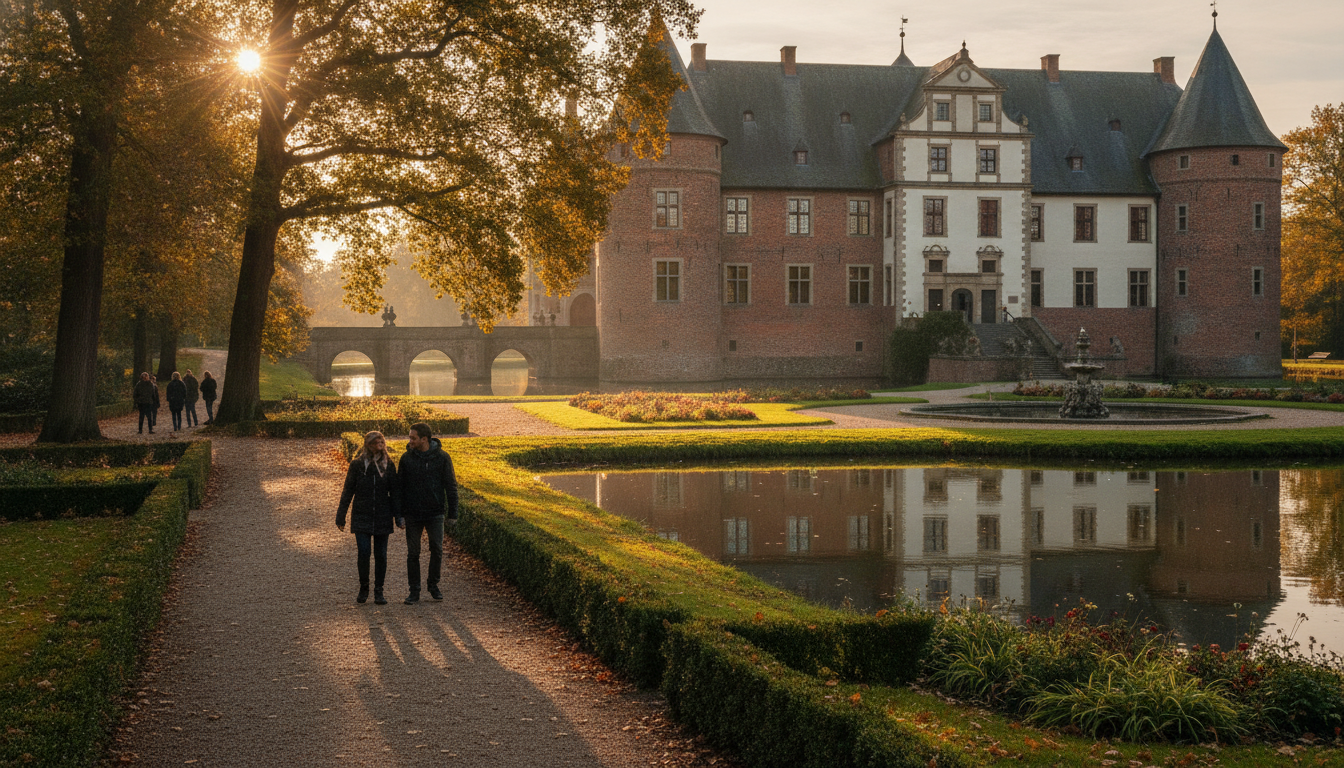
The town's greatest treasure carries moated-castle romance: Schloss Lembeck in the north is considered one of Westphalia's finest moated castles, complete with park, museum and café – and yet it's remarkably rarely crowded. Anyone who walks around the grounds in the early morning, when mist hangs over the moats, understands why photographers love the place.
Right in the heart of the old town awaits a building of national significance: the Jüdisches Museum Westfalen tells Jewish history and present-day life with a depth you wouldn't expect in a town this size. Combined with a stroll through the rebuilt old town and a break on the market square, this makes for half a day of substantial sightseeing.
Nature lovers are drawn to the edges of town: the Hohe Mark begins practically behind the last houses – hiking trails through forest and heathland, viewpoints and quiet lakes included. The Lippe water meadows and the canal have their own appeal too: the towpaths are perfect for cycling loops, with locks and jetties along the way inviting stops with a view of the water.
A little gem is hidden in the west: the Tüshaus-Mühle near Deuten, a historic watermill with a bakehouse, regularly opens for tours and mill festivals – local history you can touch, run by people who love sharing their passion. Dates can be found in the local associations' events calendar.
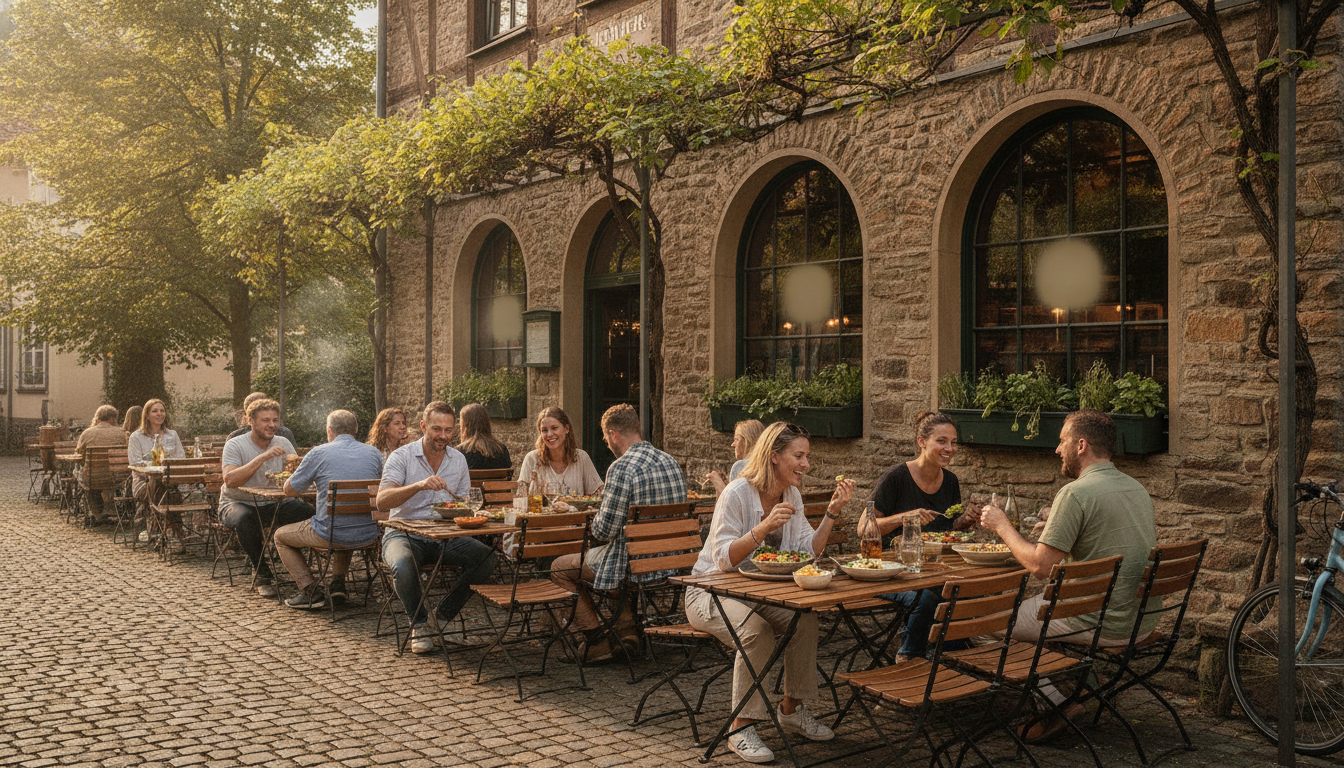
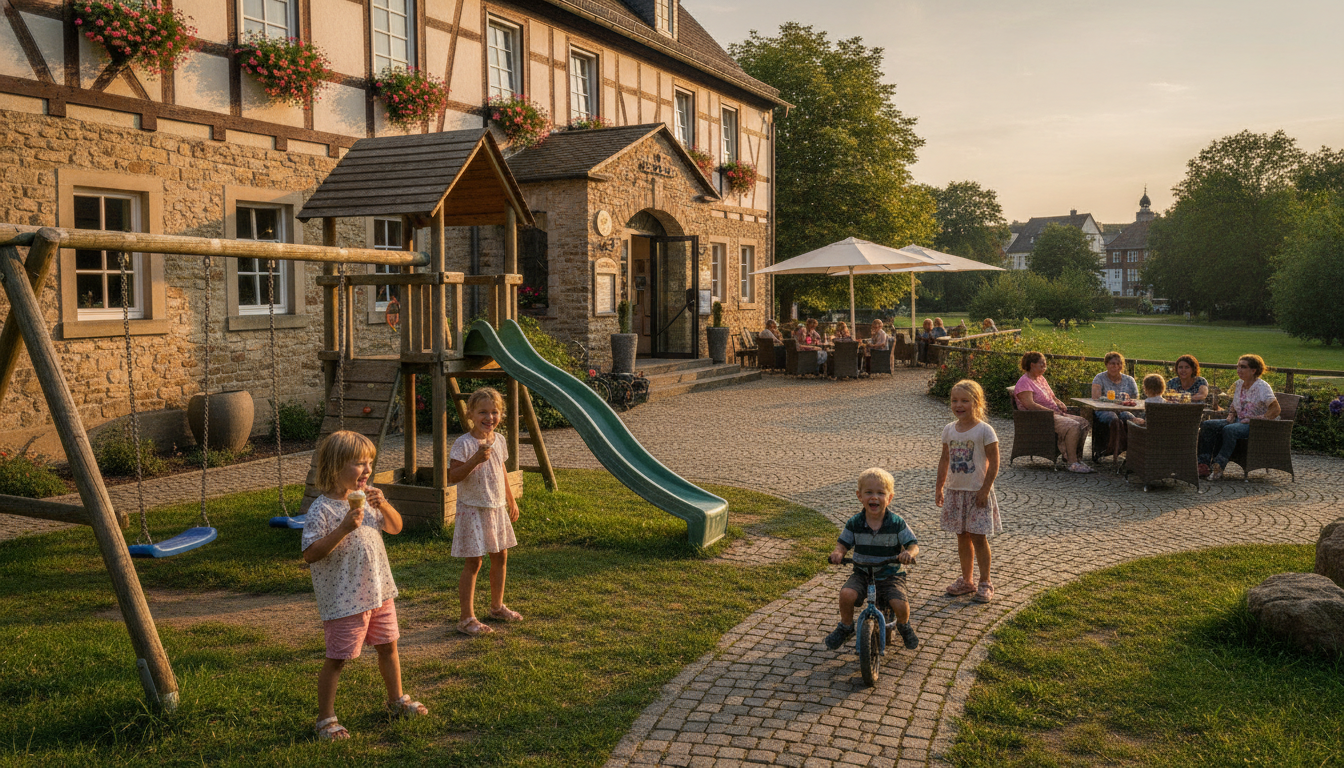
It's worth looking to the villages for food too: country inns in Lembeck, Wulfen and Rhade serve Westphalian cuisine using produce from the local area, while the old town's cafés and ice-cream parlours cater for your stroll through town. If you want to take regional specialities home with you, you'll find what you're after at farm shops around the town.
Practical tip: all destinations connect best by bike – the flat Münsterland terrain and dense network of cycling junctions make the routes suitable for families. Bus and train also serve the outlying districts, and if you're coming by car, parking at the castle and old town is straightforward.
So Dorsten reveals itself as a town of quiet highlights: a moated castle, a museum, a mill and plenty of greenery – spread across a town that blends the best of both the Ruhr region and the Münsterland. Anyone collecting insider tips should plan a whole weekend here; the list is longer than the map would suggest.
When planning your tour, it's best to combine contrasts: castle park in the morning, old town and museum at midday, canal bank or heathland in the afternoon – so a single day shows the full range of the town. And if you've still got energy afterwards, make a note of the village festivals: Schützenfest, Mühlentag and the Advent markets are the moments when Dorsten's districts throw their doors open widest. That's exactly when you understand that insider tips here aren't a marketing buzzword, but simply everyday life.
And because good tips deserve to be shared: if you make your own discoveries, it's best to pass them on – among friends or over a chat at the country inn. That way, the list of Dorsten's insider tips stays alive and grows with a few new entries every season.
Die Besten der Stadt