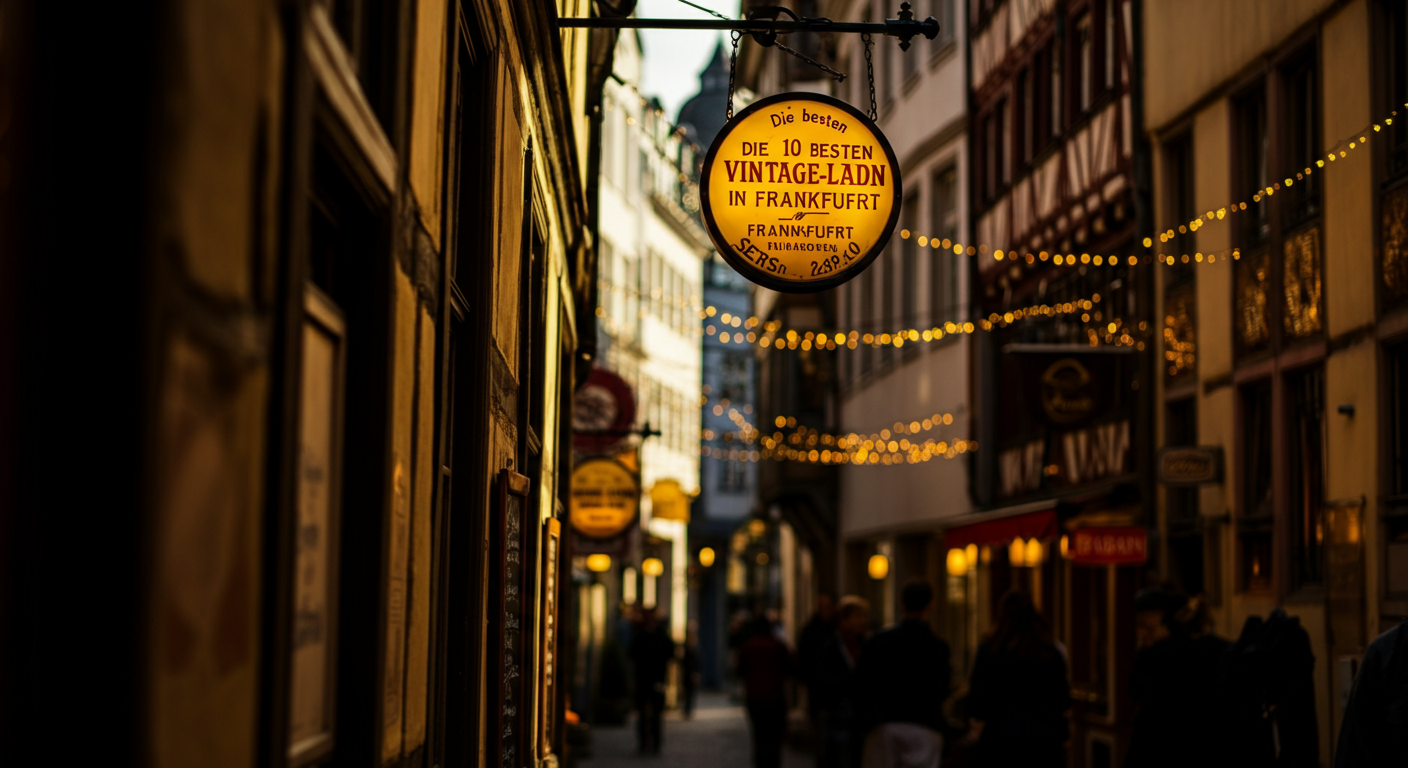
Frankfurt
Tour Guides in Frankfurt - the Profession

Being in an unfamiliar city can be exciting. There are so many new impressions to take in all at once – an unfamiliar hustle and bustle fills the streets, languages you might not speak or only know a little, and strange sounds and smells surround you. It's important not to lose your bearings.
How useful would it be to have someone who could always show you the way and tell you something about these magnificent buildings? That's exactly what a tour guide is there for!
The profession of tour guide offers plenty of variety and challenges in Frankfurt too – more than you might think at first glance. It's a very old profession that's often overlooked, but we'll tell you more about this fascinating line of work.
Tour guides – the range of tasks in Frankfurt
When tourism first emerged, the profession of tour guide developed very quickly. This job has existed since the 17th century – pretty old, in other words. Expectations have risen enormously over time, meaning that more individuality and modernity are called for nowadays. The range of tasks for Frankfurt tour guides has grown accordingly.
Even so, the essence has remained the same: they lead groups of travellers from other countries or cities to various sights, such as impressive landmarks, squares and places. According to the European Committee for Standardization (CEN), this is a clear definition of the profession.
Tours have to be planned for different target groups, such as senior citizens, people with disabilities or families with children. Sometimes themed tours come up, which also need to be planned.
So architecture tours, wine or beer tours, adventure or creative tours, special cycling tours or even historical tours are just a few of the themes covered on Frankfurt tours. With some travel groups, personal wishes are also taken into account.
A tour guide absolutely must prepare for their tour and the accompanying talks, as this is what makes or breaks the whole tour. Topics such as social, cultural, historical, economic or political explanations need to be thoroughly researched and worked out.
This also involves finding out about the language and background of the travel group and, where appropriate, addressing this during the tour.
Naturally, the dates for individual tours also need to be communicated and agreed with travel participants or providers in advance. Tour operators, sometimes even entire hotel businesses, tourist information offices and private travel groups all count among the clientele.
Looking after travellers during the journey itself and arranging transport are not part of a tour guide's tasks. That falls to the tour manager.
Because this profession is not subject to any legal regulation in Germany, this kind of confusion often arises. There simply isn't a clear division of responsibilities.
Becoming a tour guide in the middle of Germany
DIN EN 15565 from the European Committee for Standardization (CEN) has guaranteed a high standard for the training of tour guides since 2008. This is meant to ensure that the curricula of various training providers in Germany are of high quality.
At least 600 hours of instruction must be completed in areas such as guiding techniques, theoretical knowledge and area-specific knowledge, among others.
Every qualified tour guide receives a certificate of qualification if they maintain membership with the BVGD – the Bundesverband der Gästeführer in Deutschland e.V. (Federal Association of Tour Guides in Germany). This certificate is only valid for 3 years at a time and requires ongoing, regular further training. It is therefore a clear sign of a tour guide's competence and quality.
Working conditions in Hesse
One thing is clear: tour guides can be exposed to cold, heat, wind and rain when giving tours outdoors in Hesse. However, this depends on their employer.
Tour guides need to be quite flexible throughout the year, as there are big differences in workload between the high and low seasons. Working at weekends and on public holidays is also normal.
Tour guides may also be away from home for extended periods if they work abroad or in an unfamiliar city.
Personal strengths and requirements
Good tour guides always come across as confident, communicative and friendly towards their guests, and speak with a strong, clear voice.
Assertiveness is also important, in order to deal with difficult clients and resolve conflicts within a group.
Fitness shouldn't be underestimated in this profession either. Tour guides often walk many kilometres a day. Suitable footwear is essential for this, as routes often involve poorly maintained paths or cobblestones.
Depending on the type of employment, tour guides may need to manage their own affairs. Organisational talent and a structured way of working are essential here.
Since specialist knowledge of the locations and surrounding areas, as well as detailed knowledge of the relevant tour topic, is a prerequisite, genuine personal interest is certainly an advantage. A good memory for facts and figures is also helpful.
But often, thorough preparation alone is enough for a competent tour. If you're interested in Frankfurt's history and culture, you'll find more information about the city and its unique features on our Frankfurt city page.
Industries for tour guides
Tour guides primarily earn their living working for tour operators or travel agencies. Adult education centres, museums and historical sites also offer employment opportunities.
Employment with tourist offices or associations is also possible. In addition, specialised tour guides can work in areas such as culinary experiences or gastronomy, bringing Frankfurt's culinary highlights closer to visitors.
Frequently Asked Questions about tour guides in Frankfurt
What's the difference between a tour guide and a tour manager?
A tour guide focuses on sharing knowledge about sights and places at a particular location. A tour manager looks after the group throughout the entire trip, including transport and accommodation.
Which languages should a tour guide in Frankfurt speak?
At the very least, German and English are standard. Depending on the target audience, additional languages such as French, Spanish, Italian or Chinese are an advantage.
How long does tour guide training take?
The training comprises at least 600 hours of instruction in guiding techniques, theoretical knowledge and area-specific knowledge. The exact duration depends on the training provider.
Is a licence required to work as a tour guide?
In Germany, no legal licence is required. However, the BVGD's (Bundesverband der Gästeführer in Deutschland) certificate of qualification is a recognised mark of quality and is preferred by many employers.
What earning opportunities are there for tour guides?
Income varies depending on the employer, season and experience. Tour guides can work as employees or freelancers and earn through commissions or hourly rates.
To conclude: the profession of tour guide in Frankfurt
Anyone who pursues this profession is passionate about it – the work of tour guides is valuable, but also demanding. They know unique insider tips, fairy tales, legends, myths and amusing anecdotes about the sights on the tours.
This greatly enhances the quality of your holiday or day trip. Enjoy your next tour through the fascinating city of Frankfurt!
Daniel Krüger
Daniel erkundet am liebsten das Naheliegende: Tagestouren, kleine Städte, Wanderwege und Orte, an denen man sonst vorbeifährt. Er ist überzeugt, dass die interessantesten Entdeckungen selten mehr als eine Autostunde entfernt liegen.