Göttingen
The Best Restaurants and Cafés in Göttingen 2026

Göttingen, the charming university city in southern Lower Saxony, has plenty to offer when it comes to food. Strolling through the historic town centre, you'll discover a lively dining scene that goes well beyond classic student fare. From traditional Lower Saxon cuisine to international specialities, there's something for every taste.
Restaurant Gaudí in the heart of the old town has been a firm favourite for years. With its Mediterranean-inspired cuisine and cosy terrace, it draws students and business people alike. The homemade pasta dishes and ever-changing lunch menu are particularly worth a visit. Just around the corner is Café Botanik, which scores points with homemade cakes and fair-trade coffee. The conservatory at the back is a popular retreat for long afternoons.
If you fancy something a bit different, try Shokudo. This small Japanese restaurant on Nikolaistraße serves authentic ramen and donburi that are well known beyond the city limits. The queue outside speaks for itself – a reservation is almost always necessary. For meat lovers, Bull's Kitchen in Gehmar is an institution. This steakhouse relies on regional beef and perfect cooking temperatures.
To round off the evening, Bar Celona by the Wochenmarkt is well worth a visit. In summer 2026, the roof terrace offers a wonderful view over the rooftops of Göttingen, and the cocktail menu changes with the seasons. An insider tip is Nautibar right on the Leinekanal, where you sit almost with your feet in the water, enjoying handmade lemonades or local beers.
Göttingen's dining scene is proving refreshingly varied in 2026. Whether it's a quick lunch between lectures or a smart dinner in the evening, the city has the right spot for every occasion.
The culinary life of this university city revolves around the market square: between the Gänseliesel fountain and the town hall, cafés and restaurants line up, their terraces turning the square into one big outdoor living room in summer. The weekly market supplies the ingredients several times a week – from vegetables grown in the Leine valley to cheese and baked goods from regional producers.
The student population shapes both the offering and the prices: breakfast spots with extensive menus, international snack bars serving everything from falafel to ramen, and cafés where people work between lectures are all part of the cityscape. This keeps the scene lively and affordable – and ensures that even unusual concepts quickly find their audience.
Those after something more refined will also find plenty: restaurants with seasonal cuisine, wine bars with small plates, and traditional establishments serving Lower Saxon classics make up the second layer of Göttingen's dining scene. Reservations are advisable at weekends, especially at the start of term and during university celebrations.
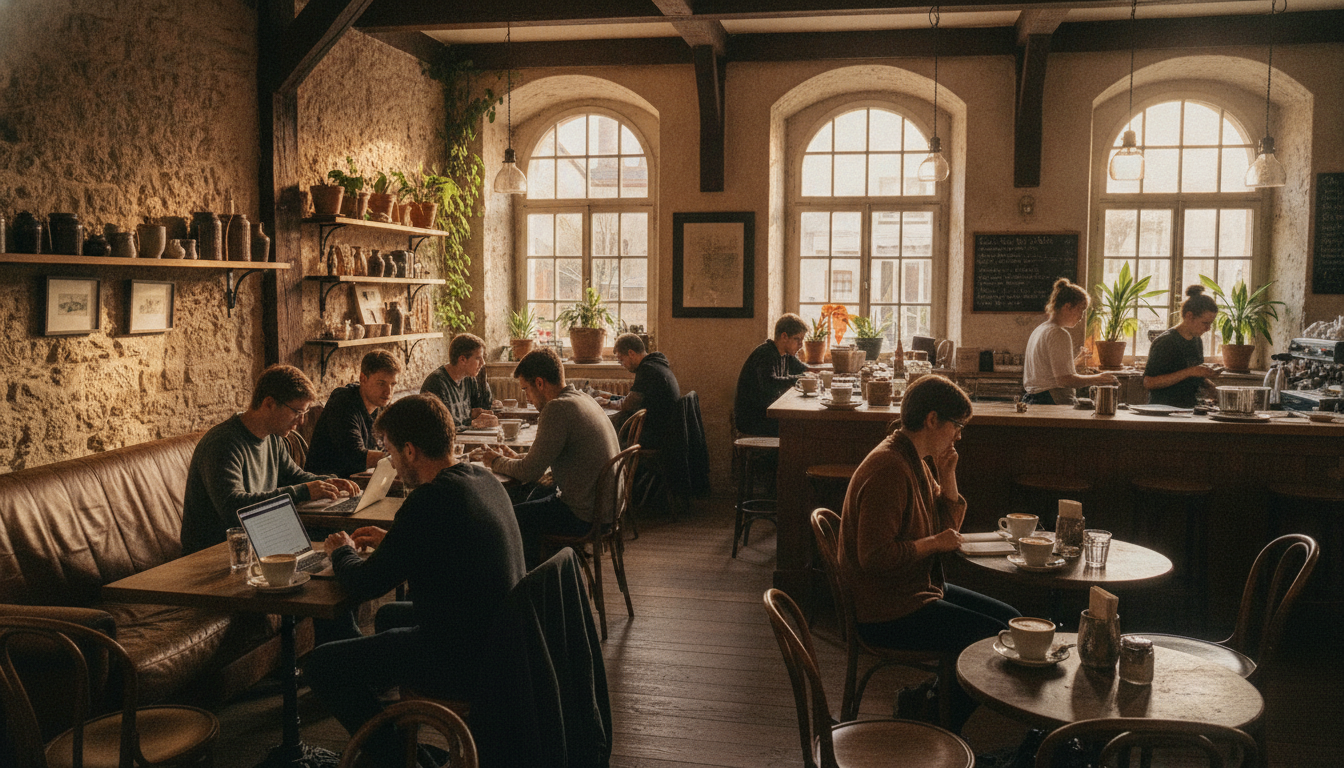
The café culture deserves a chapter of its own: the range spans from historic patisseries to third-wave roasteries, and the sheer density of good cake is remarkable. A classic pastime is taking a break with a view of the bustling pedestrian zone – with a book, a newspaper, or simply a talent for people-watching.
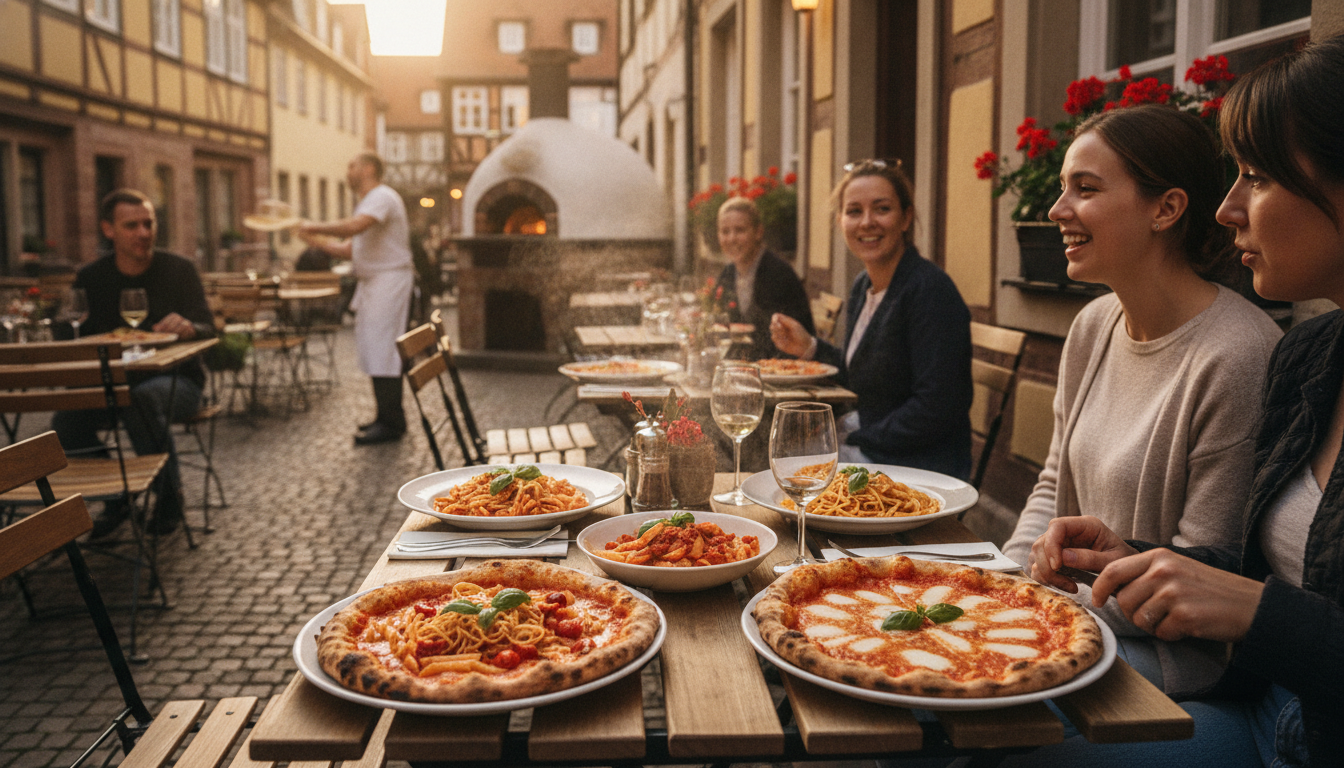
In the evening, people spread out across the pubs, bars and cultural venues of the city: around Nikolaistraße and the Johannisviertel, things stay lively until late, while in summer the courtyards and beer gardens draw the crowds. If you prefer it quieter, take an evening stroll along the Stadtwall and then choose your spot deliberately.
Practically speaking, everything is within walking distance, the station is just a few minutes from the centre, and if you come by bike, you'll be moving like half the city. At lunchtime, the popular spots fill up quickly – if you're flexible, eat early or late and you'll find a seat anywhere.
All in all, Göttingen in 2026 shows itself to be everything a university city should be at its best: curious, international and down-to-earth at the same time. Between a market breakfast, a canteen alternative and a full menu evening, every visitor finds the right table here – usually with clever conversations at the next table thrown in.
One special chapter is the city's rituals: the photo with the Gänseliesel after passing your doctorate, the mulled wine stall in winter, the first outdoor terrace weekend in spring – the dining scene provides the backdrop for every Göttingen occasion. Those who stay longer quickly develop their own habits: a regular bakery, a lunch spot, a pub for winding down the week.
Day-trippers like to combine a restaurant visit with the surrounding area: the Kiessee for a walk by the water, the Bismarckturm for the view, and the half-timbered towns of the Leine valley for a day out – after which dinner in the city tastes twice as good. Autumn has its own charm too, when new students celebrate the start of term and the venues are full of life.
So the verdict in the end is simple: Göttingen eats cleverly – regionally, internationally, and without any showing off. The city proves that good dining doesn't need a metropolis, just a discerning public. And a university city, as we know, has more than enough of that.
If you're after something to do after dinner, it doesn't take long to find: the theatre, the Junges Theater and the cinemas are right in the middle of the city, while concerts from the university and the independent scene fill the calendar. That turns a restaurant visit into a whole evening without any detours – typically Göttingen, where everything fits together because nothing is more than a ten-minute walk away. So, enjoy your meal – and don't worry about the choice: in Göttingen, the next good meal is never far away, and the best table is often the one you find by chance.
Die Besten der Stadt