Greifswald
Weekend Trip to Greifswald: The Perfect 48-Hour Plan

Greifswald, the university town on the Baltic coast, is one of northern Germany's most underrated city destinations. Spend a weekend here and you'll experience the perfect blend of Hanseatic history, youthful student life and proximity to the coast. Here's the ideal 48-hour itinerary for summer 2026.
Saturday morning: Start with a leisurely breakfast at one of the many cafés around the market square. The view of the Gothic town hall and the brick-Gothic gabled houses is the perfect way to begin. Afterwards, it's well worth visiting St Nikolai's Cathedral – climbing the tower rewards you with a panoramic view over the old town as far as the Ryck, and on clear days even out to the Baltic Sea.
Late morning takes you to the Museum Harbour. The historic sailing ships and cutters tell the story of Greifswald's maritime past. If you're feeling adventurous, book a short harbour tour or hire a kayak for a paddle along the Ryck.
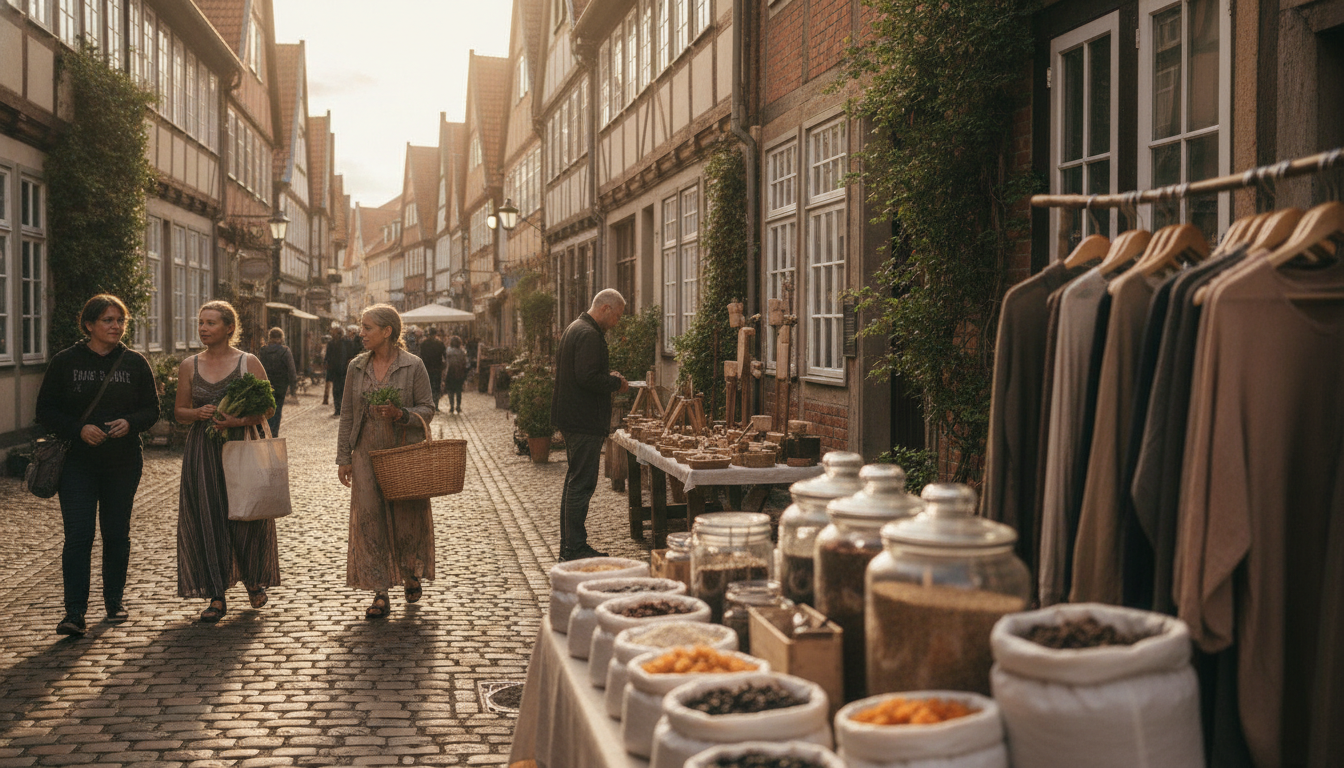
Saturday afternoon: A stroll through Fleischervorstadt, with its lovingly restored artisans' houses and small galleries. This is where the city's creative life pulses. In summer 2026, several pop-up studios have opened, showcasing the work of local artists and designers.
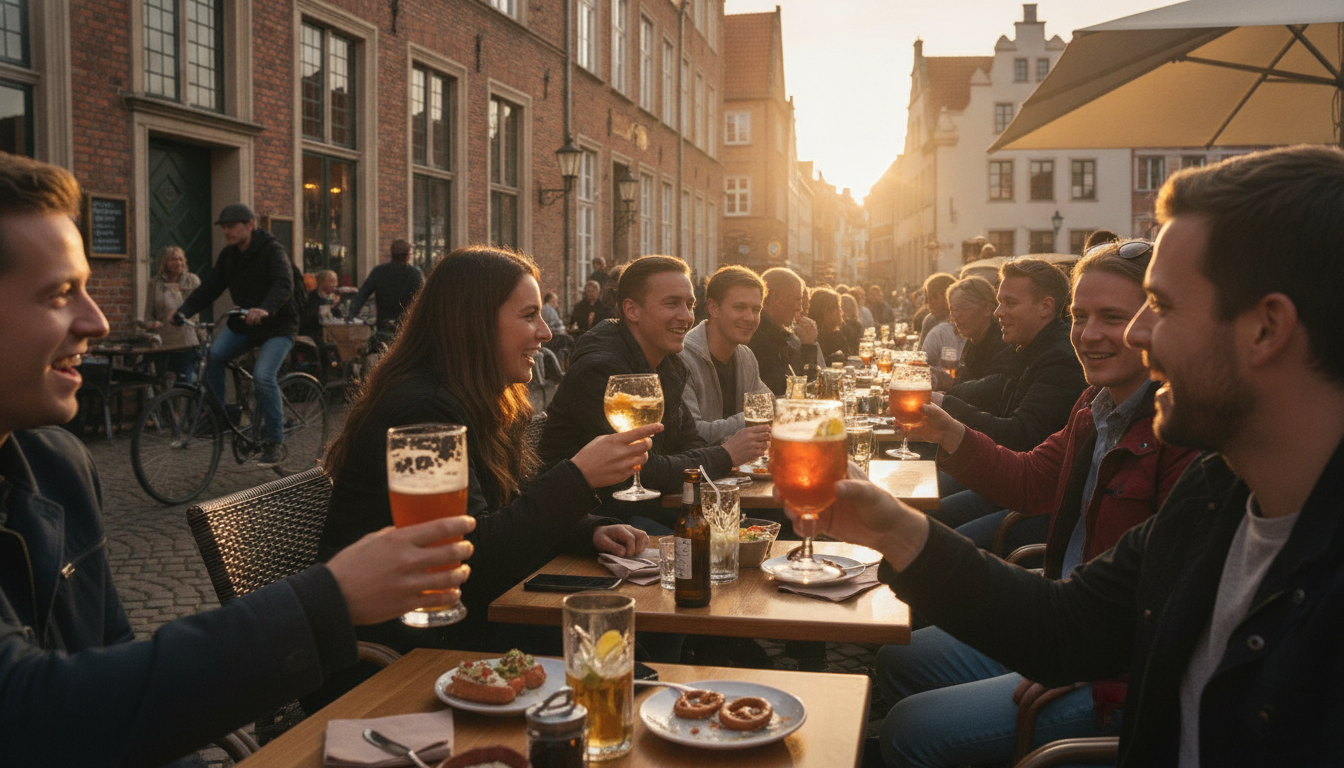
Dinner should be at one of the fish restaurants by the harbour – freshly caught Baltic cod or regional smoked fish platters, paired with a cold beer from one of the local breweries. The best way to round off the evening is at the student pub ‘Geographenkeller’ or at an open-air concert as part of the Kultursommer festival.
Sunday morning: A relaxed brunch in the Ostseeviertel, then on to the University's Botanical Garden, one of the oldest in Germany. The greenhouses with their tropical flora are a treat even on a rainy day.
To finish off on Sunday afternoon: a walk to Eldena Monastery. The ruins of the Cistercian monastery, surrounded by an idyllic park, are one of the most romantic spots in Mecklenburg-Vorpommern – and were once painted by Caspar David Friedrich. Perfect for a farewell photo and a resolution to come back.
Saturday belongs to the old town: from the market square with its gabled houses, the route leads to St Nikolai's Cathedral, whose tower offers the best view over the brick-built city. It's then well worth visiting the Pomeranian State Museum with its paintings by Caspar David Friedrich – the city's most famous son still shapes Greifswald today, and following in his footsteps suddenly gives you a painter's eye for the surroundings.
In the afternoon, visitors are drawn to the water: the Museum Harbour on the Ryck brings together historic sailing vessels, and a walk downstream ends in the fishing village of Wieck, where the wooden drawbridge, thatched-roof houses and fish rolls straight off the cutter deliver maritime postcard charm. If you fancy a swim, there's a bathing spot near the mouth of the Ryck, or you can hire a boat for the view from the water.
Sunday begins contemplatively at the Eldena monastery ruins: the brick-Gothic arches, famously painted by Friedrich, feel almost like your own in the early morning hours. Back in the city, the cafés around the fish market beckon for a long breakfast, before the university quarter and Botanical Garden continue the walk – the old greenhouses are a hidden gem on rainy days.
Culinarily, Greifswald scores points thanks to its closeness to the Baltic: fish in every variety, alongside regional cuisine in the old town's inns and student-friendly cafés with affordable menus. In the evening, the pubs around the market fill up – the university ensures the city feels younger than its brick backdrop might suggest.
If you have more time, use Greifswald as a springboard: the Bodden coast, Usedom and Rügen are all within day-trip distance, and the flat landscape is easily explored by bike. A detour to Stralsund, with its World Heritage old town, also fits nicely into an extended weekend.
Practical tips: You can get there by train via Berlin or Rostock, and once in the city, the bike is the transport of choice – there are several hire stations. Accommodation ranges from old-town hotels to guesthouses in Wieck; during term time and the summer holidays, early booking is recommended.
So in 48 hours, Hanseatic history, romance and sea air combine into a weekend that lingers in the memory: Greifswald is small enough to explore entirely on foot, yet rich enough to make you want to return – at the latest in summer, when fishing festivals and university culture fill the city.
A final word on the best time to visit: summer brings harbour festivals, long evenings and swimming weather, but late summer has its own charm too, when the light over the Bodden and the ruins turns softer – it's no coincidence that Friedrich painted exactly these moods. Even in winter the city is worth a visit, when the museums and cafés belong almost entirely to visitors.
If you want to give your weekend a particular focus, simply follow a theme: art lovers can take in the Friedrich sites, families can combine the harbour, the bathing beach and the animal park, and active types can pair a cycling tour with a swim in the Bodden. Greifswald plays every note – and remains pleasantly unhurried, because nothing here feels like mass tourism.
The verdict after 48 hours is fitting: a city like a fine painting – quiet at first glance, full of detail on the second. Anyone who has ever stood on the Wieck Bridge watching the sailing boats understands why so many visitors are reluctant to head home.
For the journey back, a final detour via the meadows along the Ryck is recommended: there, with a view of the city and the sailing masts, you can mentally sort through your weekend – and start the list for your next visit. Because one thing is certain after 48 hours in Greifswald: something is left unfinished, and that's exactly the best reason to return.
Die Besten der Stadt