Regensburg
Tips for Bubble Tea in Regensburg
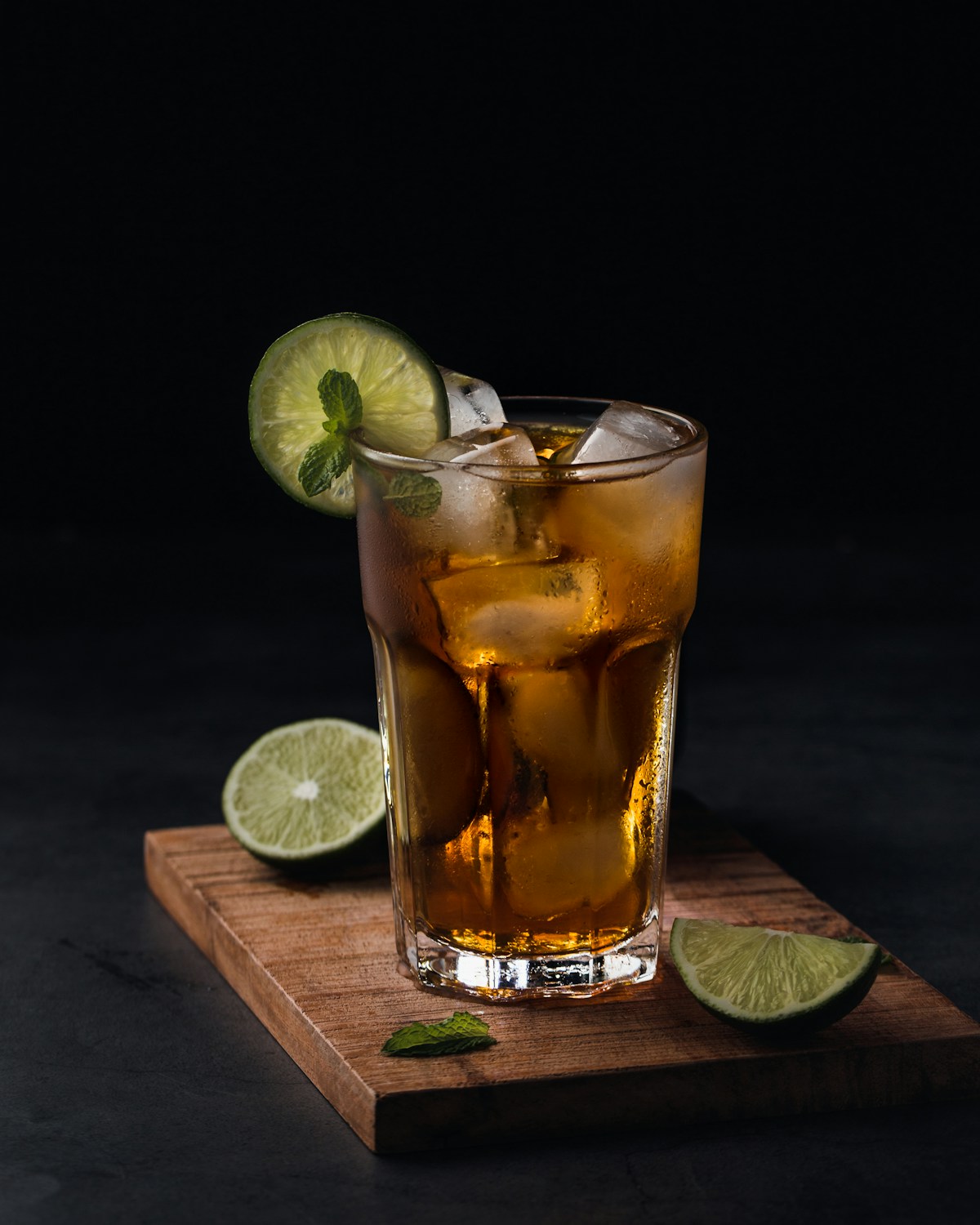
The trendy drink bubble tea has suddenly taken not just Regensburg but the whole of Bavaria and the world by storm. Yet it's actually been around for quite a while — it was already trending in Germany around 2010.
But what actually is it? What's the drink made from and where does it come from? Are there even myths surrounding this drink? Why is it so trendy again right now and where can you buy it?
You'll find the answers to these questions in this article, along with a really simple basic recipe that works just as well in the city on the Danube with its roughly 150,000 residents as anywhere else.
What is bubble tea?
The tea-based drink originally comes from Taiwan. It's traditionally made from chewy cooked tapioca balls, fruit syrup, milk and freshly brewed green or black tea.
There are endless variations of bubble tea, which can be served hot or cold, as there are quite a few takes on the drink.
Incidentally, the name ‘bubble tea’ doesn't come from the sweet little pearls, as you might assume. Bubble tea shops can now be found everywhere — even in small towns! So everyone can find one of the often brightly coloured stalls nearby, and in the city on the Danube, for example, that's Enchan Tee. According to the original recipe, the tea is shaken together with milk and ice cubes until foam forms — the name bubble tea refers to the air bubbles created this way.
Myths and truths
There are quite a few myths and pieces of misinformation surrounding bubble tea.
The most popular one is probably that it was invented by accident, when a tea shop owner dropped a tap into his tea and the tapioca balls rose to the surface. That's obviously not what happened, but it's a nice story nonetheless.
The myth that bubble tea contains frog or fish eggs is, of course, also untrue. You'll find out below what the bubbles are actually made of and whether they're even vegan.
The claim that drinking bubble tea is dangerous has persisted for years, especially in Germany: bubble tea is said to be toxic, unhealthy or carcinogenic, and its sale is supposedly banned in Germany. This was caused in 2012 by a study from RWTH Aachen University, which claimed that carcinogenic toxins had been found in tapioca pearls. Bubble tea fans were understandably alarmed — and within a year, almost all bubble tea shops disappeared.
Test results from the Chemical and Veterinary Investigation Office in Karlsruhe showed no hazardous substances whatsoever in numerous samples. Based on these results, it turned out that the Aachen paper wasn't a proper study at all, yet it was published anyway, and the press turned it into headlines like ‘Chemists find poison in bubble tea’. These days, you don't hear anything at all about the Aachen paper any more.
That said, bubble tea can still be described as somewhat unhealthy. Due to its high sugar content, it should really be sold to children as a sweet treat rather than a drink. Depending on the recipe, bubble tea can contain up to 180 grams of sugar per litre. Combined with sweet syrup, starchy pearls and fatty milk, bubble tea is pure indulgence that can easily rival cola.
Bubble tea in Regensburg – the topping in the cup
Usually, the balls in bubble tea are tapioca pearls. Soft, colourful balls with a fruity flavour, at least as big as peas, and sometimes even bigger. Tapioca is a starch extracted from the cassava root, which originally comes from Brazil.
Boba pearls, or popping boba, are also very popular. Just like tapioca pearls used in bubble tea, they're extremely popular among young people.
In many bubble tea shops, such as NK Coffee & Milktea, you can also have jellies added to your drink. These are small pieces steeped in fruit syrup, often cut into even cubes, with a gummy or jelly-like consistency. The jelly is made from carrageenan, which is extracted from red algae. Carrageenan is completely safe to eat.
All three types are usually translucent and only take on colour during further processing. Tapioca pearls, for example, are traditionally boiled in maple syrup until it becomes thick and caramelises — this is how the pearls get their dark colour.
They can also be dyed in bold colours like orange, red or green if certain preparation steps are slightly altered. During cooking, the preferred flavouring is also added, to achieve fruity tastes, for example.
Especially when using tapioca pearls, it's advisable to soak them in fruit syrup for at least half an hour before enjoying them. This gives the tapioca pearls enough time to absorb all the flavours, intensifying the taste.
Until the balls are used, they're stored in airtight containers.
Vegan – or not?
Is bubble tea vegan? Many young people ask themselves this question, feeling unsure, as there doesn't seem to be a straightforward answer.
And that's fair enough — the answer is: it depends. If you choose or use cow's milk, your bubble tea obviously isn't vegan. Oat or almond milk makes it vegan straightaway.
Generally speaking, tapioca pearls are vegan, but it depends on the colouring used — the red dye carmine (E120), for instance, isn't vegan. So if you're unsure, just ask at the bubble tea shop of your choice.
Our secret recipe for bubble tea
Many people are amazed at how easy it is to make chilled bubble tea at home yourself. Our recipe is ready in no time — all you need is: - 125 ml water for the tea (black or green tea)
250 ml milk or a milk alternative
100 ml cold water
25 g bubble tea pearls, available at Asian supermarkets
a few ice cubes
optional sweetener such as maple syrup, syrup or honey
And here are the preparation steps for your trendy drink: First, brew a very strong tea using 125 ml of water.
To do this, simply let the tea steep for a few minutes longer than usual. Then let the tea cool down or put it straight in the fridge. Mix the cooled tea thoroughly with water, ice cubes and milk — if you can, you can also shake it for the proper bubble effect. Finally, add the finished pearls. If you like, you can sweeten it to taste with a sweetener.
Of course, you can also make the pearls for your bubble tea yourself from tapioca flour and flavour them just as you like with fruit syrup or fresh fruit. You can also buy bubble tea pearl powder and use it for your bubble tea.
Trends from Asia in Regensburg
Around 2010, bubble tea was already THE trendy drink, but that popularity faded quickly.
Today the hype is back — but why is that, exactly?
Quite simply: thanks to social media platforms like TikTok and Instagram, and the influence of Asian culture through K-pop and anime fans. As a result, bubble tea is currently very popular in America and Australia too.
Bubble tea in Regensburg – a conclusion
Even if bubble tea might not be to everyone's taste, everyone knows a shop nearby. You simply can't avoid it. Perhaps you didn't know this trendy drink in Bavaria before, and our article has now sparked your interest.

Sabine Kern
Sabine ist Mutter von zwei Kindern und testet Ausflugsziele, Spielplätze, Schwimmbäder und Familiencafés nach einem einfachen Kriterium: Würde sie noch einmal hingehen? Ihre Empfehlungen sind praxiserprobt, inklusive Hinweisen zu Parkplätzen und Wickelmöglichkeiten.