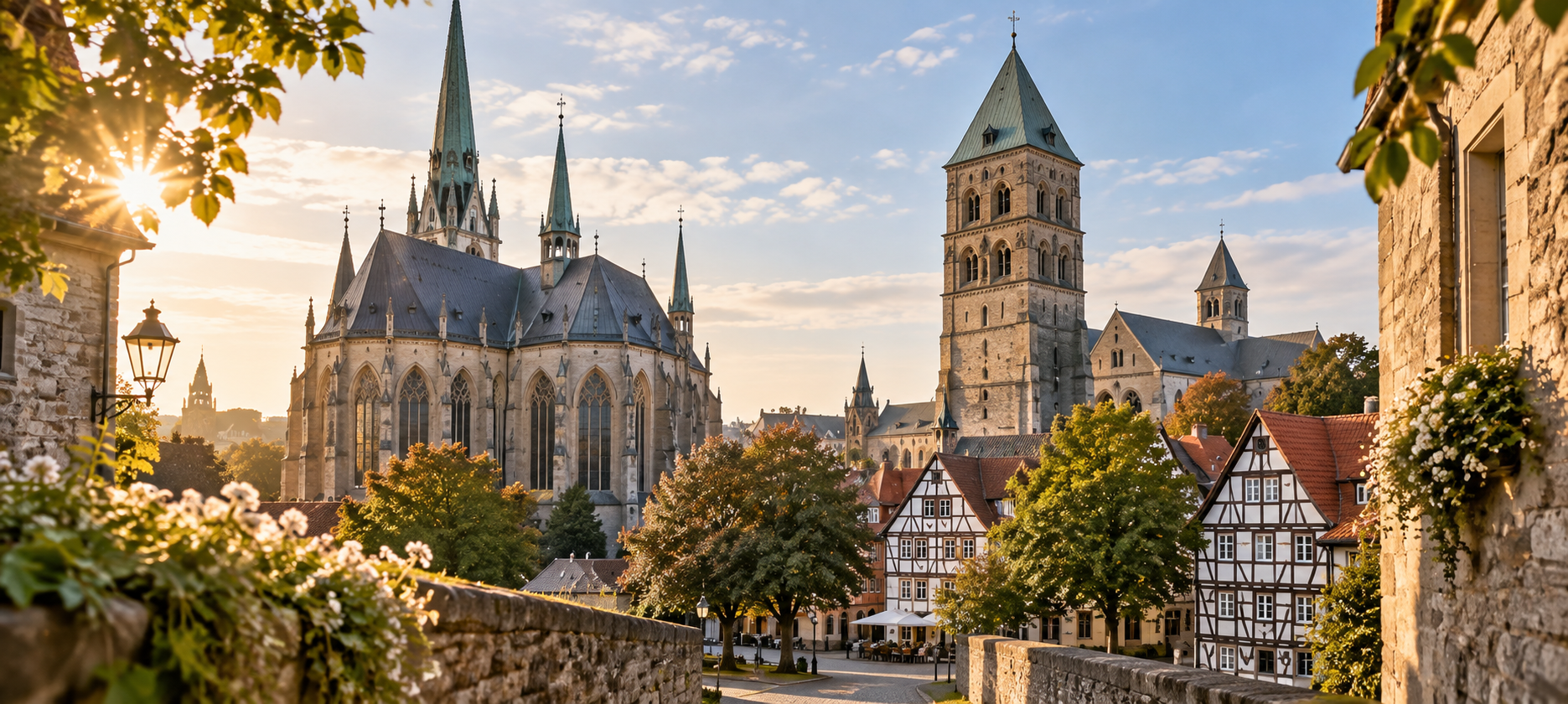
Soest
Sustainable Restaurants Soest: Organic Food with Heart
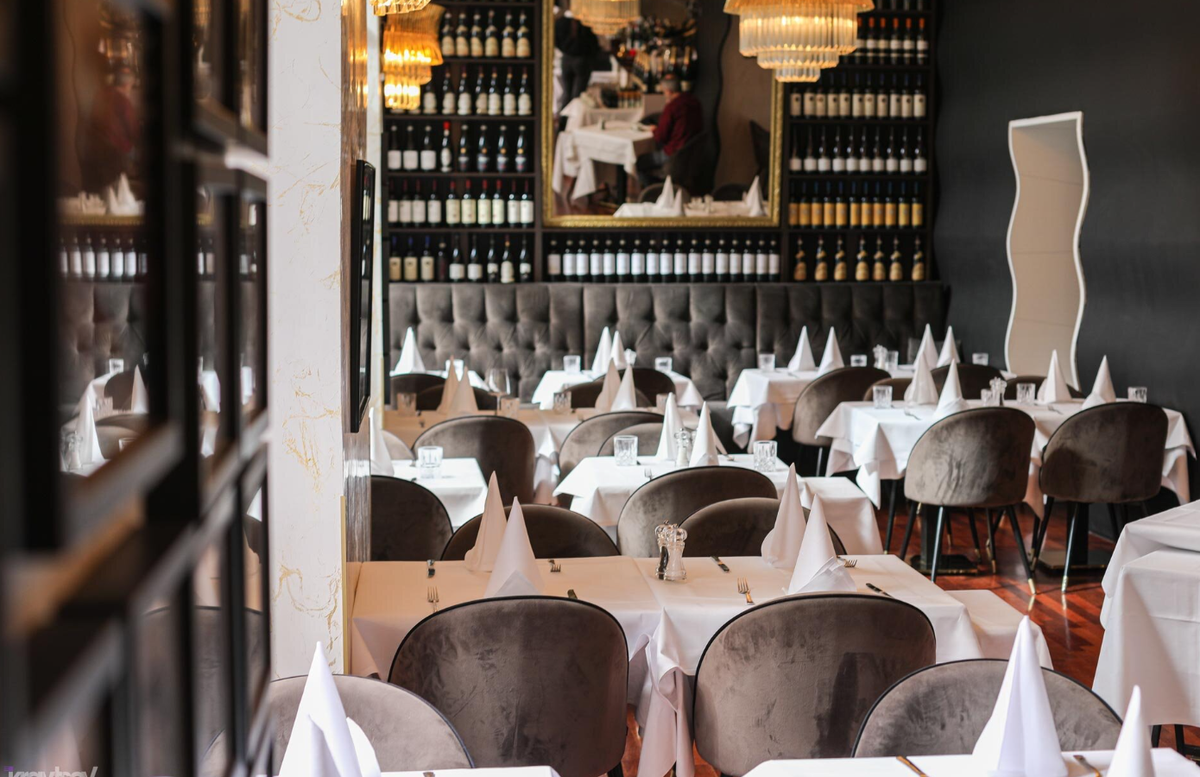
More and more people in Soest care about where their food comes from and how it's produced. If you want to eat consciously, you'll be looking specifically for sustainable restaurants in Soest that focus on regional ingredients and fair production. This article shows you what to look out for when choosing a restaurant and how to combine conscious enjoyment with the variety on offer in the Hanseatic town.
Whether you're searching for an eco-restaurant in the Hanseatic town of Soest or simply want to learn more about regional cuisine in Soest, here you'll find practical guidance for your next restaurant visit.
Why sustainable restaurants in Soest are increasingly in demand
For many guests today, sustainability in food means more than just a trend. It's about transparency, short transport routes and a respectful approach to food.
Especially in a town like Soest, shaped by its history and rural surroundings, the connection to regional farming is an obvious one. Anyone interested in sustainable restaurants in Soest benefits from shorter supply chains and often fresher produce.
What makes a restaurant sustainable?
Not every restaurant that advertises itself as "organic" automatically meets all sustainability criteria. It's worth taking a closer look.
- Use of regional and seasonal ingredients
- Transparent information on the origin of meat, fish and vegetables
- Reducing food waste in the kitchen
- Use of organically certified products wherever possible
- Conscious handling of packaging materials and single-use items
💡 Tip: When visiting a restaurant, simply ask directly where the ingredients come from – many businesses are happy to share this information.
Regional cuisine in Soest: tradition meets awareness
Regional cuisine in Soest combines traditional Westphalian dishes with a growing awareness of origin and quality. Many chefs in the region favour produce from the Münsterland and Sauerland areas.
This geographical proximity to farms makes it easier to achieve short supply chains. That benefits both the environment and the flavour.
Typical features of regional dishes
Regional cuisine is often characterised by certain recurring elements that you'll come across more frequently in this region.
- Use of vegetables and fruit from the surrounding area
- Meat from farms in the Soest district or neighbouring regions
- Seasonal menus that change throughout the year
- Traditional recipes given a modern twist
If you'd like to delve deeper into the town, you'll find further information on culture and everyday life in the Hanseatic town on the Soest town page.
Spotting and choosing organic restaurants in Soest
Organic restaurants in Soest often differ from classic eateries in their choice of ingredients. An organic seal is a first indicator, but not the only criterion.
Also pay attention to the overall philosophy of the business. Some restaurants only use organic quality for individual ingredients, while others follow a consistent concept throughout.
What to look out for when choosing
- Check certifications and seals on the menu
- Read online reviews about quality and service
- Ask directly which ingredients are organically certified
- Look for transparency in pricing and ingredient lists
These questions will help you find a suitable eco-restaurant in the Hanseatic town of Soest that matches your personal standards.
Sustainability often starts outside the restaurant
Before visiting a restaurant, it's sometimes worth taking a look at the town's wider culinary scene. Sustainable restaurants in Soest are part of a larger network of cafés, bars and producers.
If you fancy a conscious breakfast in the morning, you'll often find a similar focus on regional produce at the best cafés in Soest. The theme continues into the evening, too.
Connection to Soest's dining scene
Many guests combine a restaurant visit with an evening out in town. If you're after a nightcap after dinner, you'll find what you're looking for at Soest's best bars.
This way, you can shape an entire evening around conscious enjoyment without missing out on sociable moments.
Seasonal menus: the role of the seasons
An important feature of sustainable dining is a seasonally oriented menu. Spring brings different produce to the table than autumn or winter.
If you eat consciously, you benefit from this natural rhythm – both in terms of flavour and environmental impact.
Seasonal calendar for conscious diners
- Spring: asparagus, wild garlic and the first regional salads
- Summer: berries, tomatoes and fresh vegetables from the surrounding area
- Autumn: pumpkin, mushrooms and game dishes
- Winter: root vegetables, cabbage varieties and hearty stews
💡 Tip: Ask for the daily menu – it often reflects the season best.
Tutoring institute in Soest
Although it may not seem relevant to the topic of dining at first glance, it's worth mentioning local educational services in Soest. For families finding their way around town, such services can also be useful.
Nachhilfeinstitut Soest
The Nachhilfeinstitut Soest is located at Brüderstraße 12, 59494 Soest. It's a point of contact for pupils seeking support with their schoolwork.
If you'd like a comprehensive overview of education options in the town, you'll find further options in the guide to the best tutoring in Soest.
Why local services matter
Just as with sustainable restaurants in Soest, proximity to home plays a role here too. Short distances save time and strengthen local infrastructure.
Eating sustainably: practical tips for everyday life
If you'd like to eat sustainably on a regular basis, a few simple habits can help. These are easy to work into your daily routine.
Checklist for conscious restaurant visits
- Research online in advance which restaurants prioritise regionality
- If unsure, ask directly at the restaurant about the origin of ingredients
- Choose seasonal dishes over year-round imported produce
- Handle leftovers consciously and ask about takeaway options
- Read and weigh up other guests' reviews regarding sustainability
These small steps add up and help ensure that the range of organically focused restaurants in the region continues to develop in the long term.
Cultural surroundings: Soest as a setting for conscious enjoyment
Soest has plenty to offer culturally as well as culinarily. The historic old town, with its striking sacred buildings, has shaped the townscape for centuries.
If you'd like to combine a restaurant visit with a stroll through town, the guide to Soest's churches and sacred buildings offers further ideas for a cultural walk before or after your meal.
A day in Soest: combining culture and enjoyment
A typical day might look like this:
- Morning: sightseeing and discovering historic sacred buildings
- Midday: lunch at a restaurant with a regional focus
- Afternoon: coffee break at one of Soest's cafés
- Evening: a restaurant visit with a conscious choice of ingredients
This way, you can make your stay in town varied and interesting without losing sight of sustainability.
📍 Discover more:
Conclusion
Sustainable restaurants in Soest offer a great way to combine conscious enjoyment with regional identity. The key points at a glance:
- Regionality and seasonality are central features of sustainable cuisine
- Organic certifications help with orientation, but they're not the only criterion
- Asking staff directly often reveals more than the menu alone
- Soest's dining scene can be nicely combined with cultural outings
- Local services – from cafés to educational institutions – strengthen the town as a whole
Use these pointers to make your next restaurant visit in Soest more conscious and to ask specifically about regional specialities.
Frequently Asked Questions
What sets sustainable restaurants in Soest apart from classic restaurants? Sustainable restaurants place particular emphasis on regional ingredients, short supply chains and a conscious approach to resources. Classic restaurants can do this too, but it's not necessarily their central concept.
Are organic restaurants in Soest automatically more expensive? There's no blanket answer to this, as prices depend on many factors. It's worth comparing menus in advance and asking directly.
How can I tell if a restaurant really offers regional cuisine in Soest? Look for information about the origin of ingredients on the menu, or ask the serving staff directly. Many businesses openly mention their suppliers or regional partnerships.
Are there vegan or vegetarian options at sustainable restaurants in Soest? The range varies from business to business and should be asked about individually. Checking the current menu or asking a quick question beforehand will give you clarity.
Is it worth combining a restaurant visit with a walk around Soest? Yes, with its historic old town and sacred buildings, Soest offers great opportunities for a combined outing. This way, you can combine culture and enjoyment in a single day.
Anna Klein