Soest
Churches in Soest: Discover the Beauty of the Hanseatic City
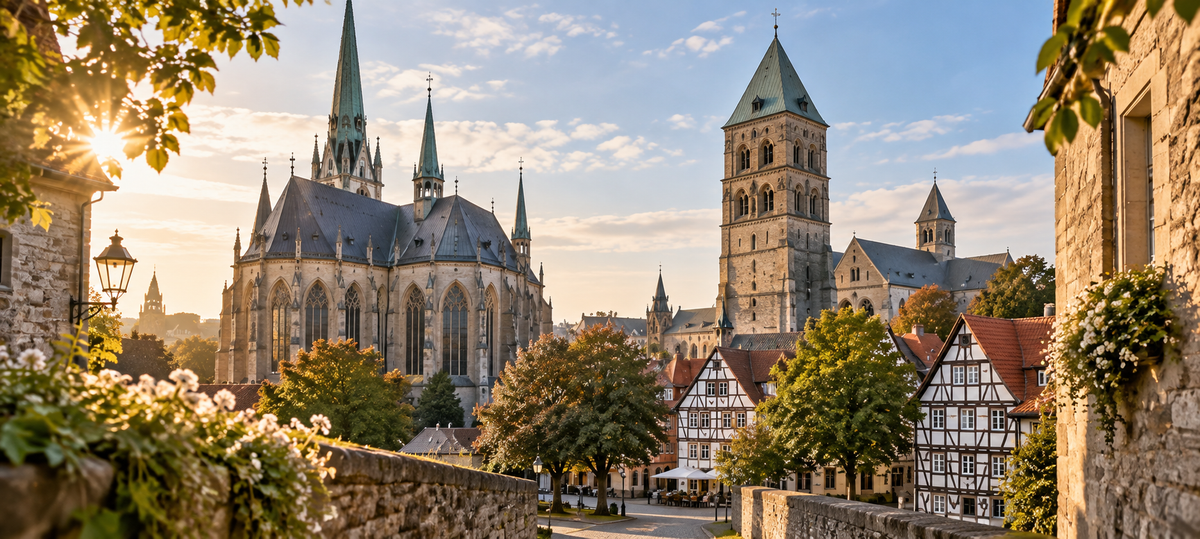
The churches of Soest have shaped the townscape of this historic Hanseatic city for over a thousand years. Visiting the churches in Soest means immersing yourself in a fascinating world of Romanesque and Gothic architecture. The sacred buildings of Soest are among the most significant examples of medieval architecture in Westphalia.
In this article we take you on a voyage of discovery through the churches of Soest. You will learn which historic churches in Soest are particularly worth seeing and what makes the Wiesenkirche in Soest so unique. After this guide, you will know exactly which sacred buildings in Soest you should not miss on your next visit.
Churches in Soest: An Overview of the Hanseatic City
Soest is one of the oldest towns in Westphalia and was once an important Hanseatic city. The churches of Soest impressively reflect this historical wealth. In total, there are more than a dozen significant sacred buildings in the old town.
Most of the churches in Soest were built between the 11th and 15th centuries. They show the transition from Romanesque to Gothic particularly vividly. Hardly any other city in Germany brings together so many style-defining church buildings in such a small space.
Why Soest Is Considered a Church Town
The economic boom of the Middle Ages made it possible to build numerous magnificent churches. Merchants and craftsmen invested their prosperity in impressive sacred buildings in Soest. This tradition makes the town a paradise for architecture lovers to this day.
Over 12 historic churches in the old town
Architectural styles from Romanesque to Gothic
Unique green sandstone architecture
Numerous well-preserved medieval details
💡 Tip: Allow at least half a day to see the most important churches in Soest at your leisure.
The Wiesenkirche in Soest as a Highlight of Gothic Architecture
The Wiesenkirche in Soest is considered one of the most beautiful examples of Westphalian Gothic there is. Art historians often describe it as the most perfect Gothic hall church in Germany. Its delicate windows and light-flooded interior impress every visitor.
Construction of the Wiesenkirche in Soest began in 1313 and stretched over several decades. Particularly remarkable is the famous west window depicting the Last Supper. Here the apostles eat typical Westphalian dishes such as ham and pumpernickel.
Architectural Features of the Wiesenkirche
The Wiesenkirche in Soest impresses with its slender proportions and exceptional height. The three aisles of equal height create a unique sense of space. This construction sets it apart from many other churches in Soest.
Construction began in 1313
Not completed until the 15th century
Famous Last Supper window with Westphalian dishes
Tower height of around 60 metres
Romanesque Churches in Soest
Alongside the Gothic buildings, Romanesque churches in Soest also leave a lasting mark on the townscape. The Dom St. Patrokli is one of the oldest and most important Romanesque buildings in the region. Its massive west tower still dominates the skyline of the old town today.
The Patrokli-Dom was built as early as the 12th century on the foundations of an older church. The solid construction with thick walls and small windows is typical of the Romanesque style. Inside, visitors will find valuable medieval art treasures.
The Patrokli-Dom as a Landmark
As the bishop's church of the Archdiocese of Cologne, the cathedral historically held great importance. Today it houses a museum of sacred art that is well worth seeing. The Domschatzkammer displays precious liturgical objects from several centuries.
💡 Tip: Climb the west tower for a fantastic view over the whole of Soest's old town.
Historic Churches in Soest away from the Main Attractions
Besides the well-known highlights, it is also worth discovering the lesser-known historic churches in Soest. The Petrikirche is considered the oldest parish church in the town and impresses with its plain elegance. The Hohnekirche with its extraordinary ceiling paintings also deserves a visit.
These smaller sacred buildings in Soest often offer a quieter atmosphere than the main attractions. They allow a more intensive engagement with medieval architecture. Many visitors particularly appreciate these hidden gems of the church landscape.
The Petrikirche as the Oldest Parish Church
The Petrikirche goes back to a predecessor building from the 9th century. After several alterations, it now appears in its present form from the 12th century. The plain Romanesque forms radiate a special calm.
Petrikirche - oldest parish church with Romanesque roots
Hohnekirche - known for its colourful ceiling paintings
Maria zur Wiese - the famous Wiesenkirche itself
Nikolaikapelle - smallest surviving church in the town
Thomäkirche - atmospheric brick architecture
The Architecture of the Sacred Buildings in Soest in Detail
The sacred buildings of Soest are distinguished by their use of the characteristic green sandstone. This regional building material gives the churches their unmistakable colouring. In sunlight, the facades shimmer in a warm, greenish tone.
Soest's master builders developed their own architectural language over the centuries. Elements of Romanesque and Gothic merge in many buildings into a unique style. This development can be followed particularly well by comparing different churches in Soest.
Building Materials and Regional Features
The green sandstone from the surrounding quarries shapes the appearance of all the important churches in Soest. In the Middle Ages this material was easy to work and yet durable. To this day it gives the buildings their unique appeal.
Green sandstone as the characteristic building material
Regional quarries as the source of raw material
Craft tradition passed down through generations
Restoration work preserves the original fabric
Visiting the Churches in Soest: Practical Tips for Visitors
Anyone who wants to visit the churches in Soest should bear a few practical points in mind. Most sacred buildings in Soest are freely accessible during the day, in some cases in return for a small donation. For groups, guided tours booked in advance with knowledgeable guides are recommended.
The best time for a church visit is in the morning. The light then falls particularly beautifully through the historic windows. Combine your church visit with a stroll through the picturesque old town.
Opening Hours and Guided Tours
The opening hours of the churches in Soest vary depending on the building and the season. The cathedral and the Wiesenkirche are generally open daily. Smaller churches often open only at certain times or by arrangement.
💡 Tip: Check with the tourist information office in advance for current opening hours and special events.
After an extensive sightseeing tour, it is worth stopping for refreshments in the city centre. Enjoy the evening in one of the after-work bars in Soest and let the impressions sink in. A browse through the shops also rounds off the day perfectly.
The Churches of Soest and Their Cultural Significance for the Town
The churches of Soest are far more than mere tourist attractions. To this day they significantly shape the cultural and religious life of the town. Regular concerts and events take place within the historic walls.
Many of Soest's residents strongly identify with their churches as part of the local identity. The sacred buildings of Soest serve as meeting places for parish life and cultural events alike. This lively use sets Soest apart from pure museum towns.
Events in the Historic Churches
Organ concerts are among the most popular cultural offerings in the churches of Soest. The historic organs ring out regularly at concerts of various genres. Exhibitions and talks also often take place in the atmospheric spaces.
If you are also interested in shopping after the cultural programme, drop by the second-hand shops in Soest. Vintage fans will find great offers in Soest for their wardrobe too. The combination of culture and shopping makes a visit especially worthwhile.
📍 Discover more:
Conclusion: The Churches of Soest Are a Must for Culture Lovers
The churches of Soest offer a unique experience for anyone interested in history and architecture. From the impressive Wiesenkirche in Soest to the imposing Patrokli-Dom, there is plenty to discover. The historic churches in Soest tell stories from over a thousand years of the town's history.
The key takeaways at a glance:
Over 12 significant sacred buildings in Soest's old town
The Wiesenkirche in Soest as a masterpiece of Gothic architecture
The Patrokli-Dom as the oldest Romanesque building
Characteristic green sandstone shapes all the churches
Lively cultural use to this day
Plan your visit today and discover the fascinating churches of Soest for yourself. You can find more information about the whole town on the Soest city page. A trip to this historic Hanseatic city is worthwhile in every season.
Frequently Asked Questions
How many churches are there in Soest?
In Soest's old town there are over 12 historic churches and sacred buildings. The best known are the Wiesenkirche, the Patrokli-Dom and the Petrikirche. Together they form a unique church landscape in Westphalia.
What is the most famous church in Soest?
The Wiesenkirche in Soest is considered the town's most famous and significant building. It is one of the most beautiful Gothic hall churches in Germany. The Last Supper window with Westphalian dishes in particular is known worldwide.
Can you visit the churches in Soest for free?
Most churches in Soest are free to enter, although many welcome a small donation. Small fees may apply for climbing towers or special guided tours. Individual museum areas such as the Domschatzkammer charge admission.
How long does it take to visit the most important churches in Soest?
For the most important sacred buildings in Soest you should allow at least three to four hours. Anyone who wants to see all the historic churches in Soest in detail will need a whole day. It is best to combine the visit with a stroll around the old town.
Which architectural styles can be found in the churches of Soest?
The churches of Soest mainly show Romanesque and Gothic styles. The Patrokli-Dom represents the Romanesque, while the Wiesenkirche in Soest is regarded as the pinnacle of Gothic. Some buildings also combine elements of both styles.

Redaktion
Das Redaktionsteam von dieBestenderStadt