Soest
Soest Attractions: 10 Treasures of the Hanseatic Town
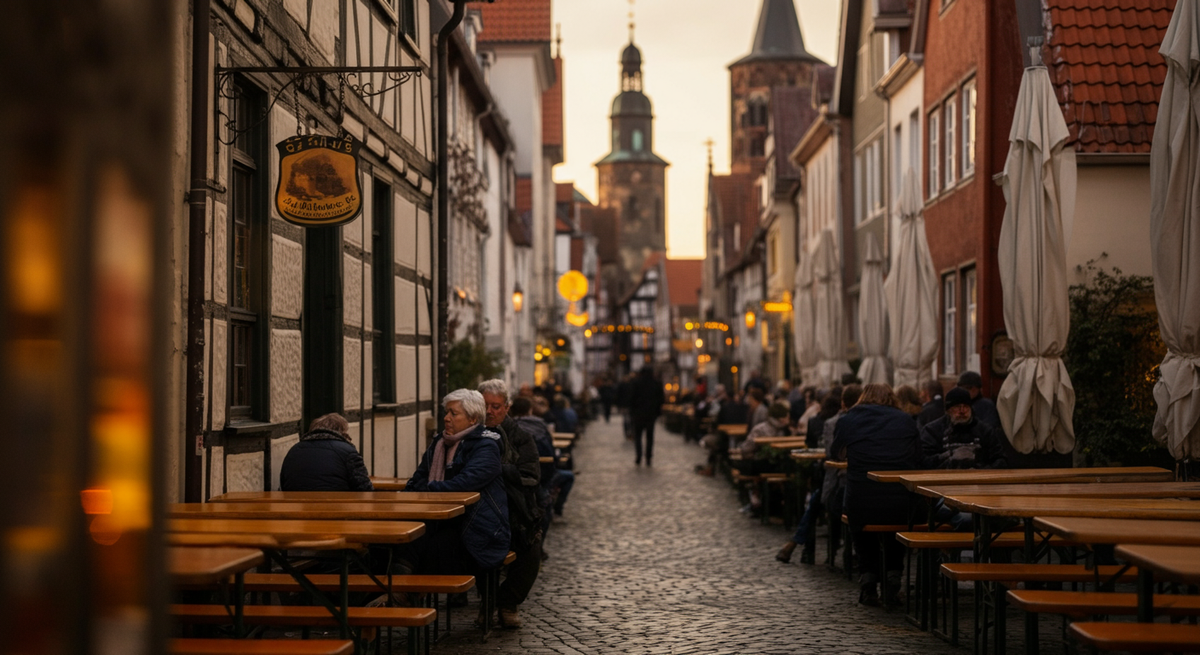
The Westphalian Hanseatic town of Soest enchants visitors with its history spanning over 1,000 years and its impressive architecture. If you're looking for the finest Soest attractions, you're in for a fascinating journey through mediaeval lanes, striking churches and picturesque squares. This charming town between Dortmund and Paderborn offers a perfect blend of culture, history and Westphalian cosiness. In this comprehensive city guide, we introduce you to the 10 most important Soest attractions that you simply shouldn't miss on your visit.
The historic old town - heart of Soest's attractions
Soest's old town is one of the best-preserved mediaeval town centres in Germany and is the absolute highlight among Soest's attractions. Strolling through the cobbled lanes, you'll feel as though you've stepped into a living history book. The characteristic half-timbered houses and green sandstone buildings tell the story of the Hanseatic town's heyday.
Particular highlights of the old town
- Historic townhouses from various eras
- Romantic lanes with original cobblestones
- Green sandstone as a typical building material
- Picturesque squares for lingering and taking photos
The old town invites you to take relaxed walks, where you'll discover new details around every corner. The little lanes are especially photogenic in the early morning or at dusk.
💡 Tip: It's best to begin your exploration of Soest's attractions at the market square and then follow the signposted circular routes through the old town.
St Patrokli Cathedral - landmark among Soest's attractions
The imposing St Patrokli Cathedral sits majestically above the town and ranks among the most significant Soest attractions. This Romanesque basilica dating from the 10th century impresses with its striking towers and splendid interior. The cathedral is not only an architectural masterpiece but also a spiritual place of peace.
Architectural highlights
- Romanesque basilica with Gothic elements
- Impressive west façade with twin-tower design
- Precious art treasures inside
- Historic organ from the 18th century
When visiting the cathedral, be sure to admire the valuable altars and the famous antependium. The atmosphere inside is particularly striking when the coloured church windows refract the light.
Soest attractions around the town wall
The mediaeval town wall is one of the most fascinating Soest attractions and still encloses large parts of the old town today. At around 2.5 kilometres long, it's one of the best-preserved town fortifications in Westphalia. Along the wall, you'll find numerous towers and gates that speak of the Hanseatic town's defensive past.
The most important town gates and towers
- Osthofentor - the grandest of the surviving town gates
- Jakobikirchturm - striking defensive tower with a viewing platform
- Kattenturm - one of the oldest defensive towers
- Grandweg-Tor - well-preserved mediaeval town gate
- Ulricher Tor - historic gate in the south of the town
A walk along the town wall offers wonderful views over the old town and the surrounding countryside. The Osthofentor, with its two mighty round towers, is a particularly popular photo spot.
💡 Tip: Follow the town wall path for a complete circuit of the old town - a walk of around an hour with plenty of interesting discoveries.
St Maria zur Wiese - jewel among Soest's attractions
The Wiesenkirche, as St Maria zur Wiese is affectionately known, is one of the finest Gothic hall churches in Westphalia and definitely one of the top Soest attractions. Its slender tower defines the town's skyline and is visible from afar. The church captivates with its harmonious proportions and impressive interior.
Art-historical treasures
- Gothic hall church from the 14th century
- Famous Westphalian Last Supper by Conrad von Soest
- Splendid stained glass from various eras
- Historic altars and sculptures
The Westphalian Last Supper is particularly remarkable, as it depicts Westphalian specialities such as pumpernickel and ham. This unique depiction makes the Wiesenkirche a must among Soest's attractions.
Market square and town hall - centre of Soest's attractions
The historic market square forms the pulsating heart of the town and brings together several important Soest attractions in one place. The Gothic town hall, with its magnificent façade, dominates the square and tells of the Hanseatic town's former power. Here you can feel the pulse of town life and watch the goings-on over a coffee at one of the cosy cafés.
Highlights around the market square
- Gothic town hall from the 14th century
- Historic townhouses with magnificent façades
- Weekly markets with regional specialities
- Cosy cafés and restaurants
- Events and town festivals
The market square is especially lively during the weekly markets (Wednesdays and Saturdays). Here you can sample Westphalian specialities and buy local produce.
💡 Tip: Visit the market square in the evening, when the historic buildings are beautifully lit - perfect for romantic photos.
Soest attractions: the ponds and green spaces
Among the most relaxing Soest attractions are the numerous ponds and green spaces that give the town its special charm. The Großer Teich and Kleiner Teich are popular recreational areas right in the middle of town. These bodies of water date back to the Middle Ages and were used for water supply and defence.
Relaxation in nature
- Großer Teich with walking paths and benches
- Kleiner Teich as a romantic idyll
- Town park with mature trees
- Playgrounds for families with children
The ponds are a particular draw for visitors in spring and summer. Here you can relax, feed the ducks or simply enjoy the peace and quiet. The green spaces offer a lovely contrast to the historic stone architecture.
Burghofmuseum - cultural Soest attractions
The Burghofmuseum ranks among the most important cultural Soest attractions and offers fascinating insights into the history of the Hanseatic town. In this historic building complex, you can learn all about the development of Soest from Roman times to the present day. The collection includes archaeological finds, artworks and everyday objects from various eras.
Museum collections at a glance
- Archaeological department with Roman and mediaeval finds
- Town history from its beginnings to the present day
- Art collection with works by regional artists
- Trade and crafts in the Hanseatic era
- Special exhibitions on changing themes
The exhibits on the Hanseatic era are particularly interesting, illustrating Soest's importance as a trading hub. The museum also offers regular tours and events.
💡 Tip: Find out about current special exhibitions in advance - there are often fascinating themes on town history or regional art.
St Petri Church and other sacred Soest attractions
Alongside the main churches already mentioned, Soest offers further remarkable sacred attractions. St Petri Church impresses with its Romanesque architecture and well-preserved wall paintings. These smaller churches are often less crowded and offer a more intimate atmosphere for a visit.
Other churches worth seeing
- St Petri with Romanesque wall paintings
- Hohnekirche with Gothic elements
- St Nikolai Chapel as the smallest church
- Thomä-Kirche with Baroque altars
Each of these churches has its own history and architectural features. A visit is especially worthwhile for art lovers and history enthusiasts.
📍 Discover more: Explore further recommendations for Soest on our city page.
Conclusion: experiencing Soest's attractions
Soest's attractions offer a perfect blend of history, culture and relaxation. This charming Hanseatic town surprises visitors with its variety and its wonderfully preserved mediaeval townscape. From impressive churches to the picturesque old town and idyllic ponds - Soest has something for every taste.
The key takeaways for your visit to Soest:
- Plan at least a full day for the most important Soest attractions
- The old town is perfect for relaxed walks
- Church visits offer fascinating art treasures
- The ponds invite you to unwind
- The Burghofmuseum deepens your understanding of the town's history
Soest is an insider tip for anyone wanting to experience authentic German history. The town's compact size makes it easy to explore all the important Soest attractions on foot. Let yourself be enchanted by the special atmosphere of this Westphalian gem and discover the treasures of one of Germany's most beautiful Hanseatic towns.
Frequently Asked Questions about Soest's attractions
How much time should you set aside for Soest's attractions? You should set aside at least a full day for the most important Soest attractions. With museum visits and thorough church tours, it could easily become two days.
Are Soest's attractions easy to reach on foot? Yes, all the important Soest attractions are located within the compact old town and are easy to reach on foot. The longest distance is about a 15-minute walk.
Which Soest attractions are especially photogenic? Particularly photogenic are the Osthofentor, the Wiesenkirche, the market square with the town hall, and the picturesque lanes of the old town. The ponds offer lovely natural scenes.
Are there guided tours of Soest's attractions? Yes, the tourist information office regularly offers town tours covering all the important Soest attractions. Themed tours on architecture or history are also available.
Which Soest attractions are recommended in bad weather? In rainy weather, church visits, the Burghofmuseum and cosy cafés in the old town are good options. Many historic buildings have covered areas or arcades.
Lisa Hoffmann