Soest
Discover Soest's Top 10
Soest, the charming Hanseatic town in North Rhine-Westphalia, enchants visitors with its 1,000-year-old history and unique architecture. The Soest attractions reflect the rich cultural heritage and make the town one of the most popular destinations in the region. From Gothic churches to picturesque half-timbered houses, Soest offers a fascinating journey through time across various eras. In this comprehensive guide, we present the 10 most important Soest attractions that you simply shouldn't miss on your visit.
Soest Attractions: St Patrokli Cathedral - The Town's Landmark
St Patrokli Cathedral is regarded as the most significant of all the Soest attractions and has shaped the townscape since the 10th century. This imposing Romanesque basilica was built between 954 and 1166 and is dedicated to St Patroclus.
Architectural Highlights of the Cathedral
The cathedral impresses with its monumental west façade and characteristic towers:
- Twin-tower façade with towers of differing heights
- Romanesque round arches and elaborate stonemasonry
- Significant crypt dating from the 10th century
- Valuable medieval frescoes inside
💡 Tip: It's best to visit the cathedral in the morning, when the light falls through the historic windows in a particularly atmospheric way.
The cathedral's crypt houses the shrine of St Patroclus and is one of the oldest surviving parts of the building. Also well worth seeing are the Romanesque capitals and the medieval wall paintings depicting scenes from the life of Christ.
Top Attractions in Soest: St Maria zur Wiese - The Wiesenkirche
St Maria zur Wiese, affectionately known as the ‘Wiesenkirche’, is one of the most beautiful Gothic hall churches in Westphalia and rightly features on the list of the most important Soest attractions. Built between 1313 and 1376, the church captivates with its harmonious proportions and rich furnishings.
Art Treasures of the Wiesenkirche
- The famous Westphalian Last Supper by Conrad von Soest
- Gothic stained-glass windows from the 14th and 15th centuries
- Late Gothic high altar with valuable carvings
- Historic organ from the 17th century
The Westphalian Last Supper shows Jesus and his disciples eating typical Westphalian food such as pumpernickel, ham and beer - a unique cultural adaptation of the biblical scene to local conditions.
Highlights in Soest: The Medieval Town Wall and Ramparts
The well-preserved town fortifications are among the most impressive Soest attractions and tell the story of this Hanseatic town's former power. With a total length of around 2.5 kilometres, the town wall still encloses large parts of the historic old town today.
Special Features of the Town Fortifications
The Soest town wall offers various architectural highlights:
- Osthofentor: The best-preserved town gate, dating from the 13th century
- Grandweg: A picturesque walking path along the ramparts
- Kattenturm: A medieval defensive tower with an exhibition room
- Loertor: A historic gate with a characteristic brick structure
- Ulricher Tor: An impressive gate complex in the south of the town
💡 Tip: Follow the Wallring for a relaxed walk around the old town - ideal for photos and for taking your time.
The ramparts were transformed into a park belt in the 19th century and today offer wonderful walking paths with views of the historic buildings.
Places Worth Visiting in Soest: St Nikolai Chapel and Hohnekirche
Among the most spiritually significant Soest attractions are St Nikolai Chapel and the Hohnekirche. Both places of worship represent different eras of Soest's church history and impress with their unique atmosphere.
St Nikolai Chapel - A Romanesque Gem
This small Romanesque chapel from the 12th century is considered an architectural jewel:
- Perfectly preserved Romanesque fabric
- Elaborate frescoes from various centuries
- Medieval stone sculptures and capitals
- Intimate atmosphere for quiet contemplation
The Hohnekirche - Gothic Elegance
The Hohnekirche (St Maria zur Höhe) impresses as a three-aisled Gothic hall church:
- Slender pillars and high vaults
- Significant stained glass from the 14th century
- Late Gothic winged altar
- Historic tombs of Soest patrician families
Soest Attractions: Historic Marketplace and Town Hall
The historic marketplace forms the vibrant heart of the town and brings together several important Soest attractions in one place. The Gothic town hall from the 14th century dominates the square and still serves as the centre of local administration today.
Architecture of the Historic Town Hall
- Gothic brick façade with characteristic stepped gables
- Historic council chamber with valuable wall paintings
- Medieval vaulted cellars
- Traditional market fountain in front of the building
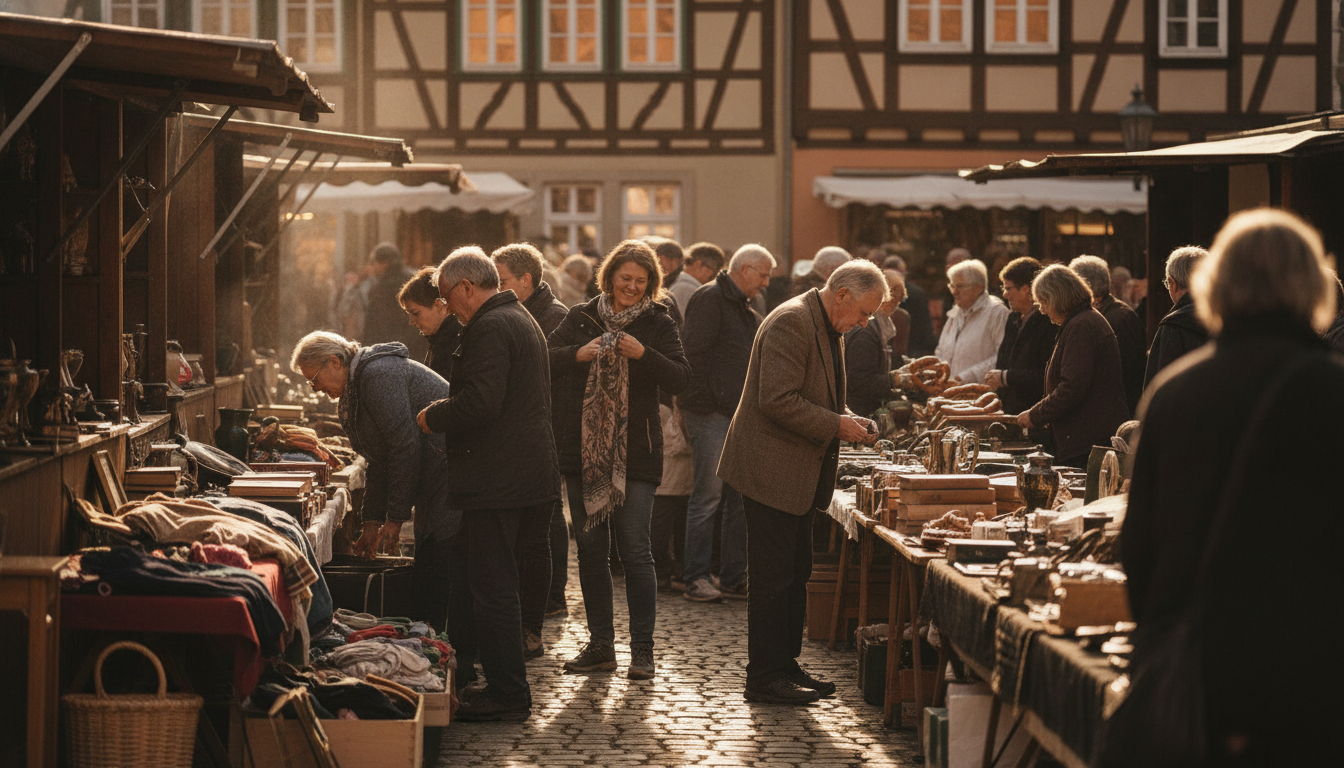
💡 Tip: Visit the marketplace during the weekly markets (Wednesday and Saturday) for an authentic atmosphere.
The marketplace is lined with magnificent townhouses from various eras, reflecting the prosperity of the former Hanseatic town. The half-timbered houses from the 16th and 17th centuries are especially worth seeing.
Cultural Highlights in Soest: Burghofmuseum and Town History
The Burghofmuseum is one of the most informative Soest attractions and offers a comprehensive insight into the town's rich history. The museum is housed in a historic building complex from the 16th century.
Collections and Exhibitions
The museum presents various themed areas:
- Town History: From its founding to the present day
- Crafts and Trade: The heyday as a Hanseatic town
- Religious Art: Medieval sculptures and paintings
- Archaeology: Finds from the Roman and Carolingian periods
- Folk Culture: Traditions and customs of the region
Special Exhibits
- Original guild emblems of medieval craftsmen
- Reconstruction of a medieval workshop
- Precious goldsmith's work from Soest's churches
- Historic town models and maps
The museum regularly holds special exhibitions on various aspects of Soest's history and offers guided tours through the permanent exhibition.
Soest Attractions: Großer Teich and Local Recreation Area
The Großer Teich is one of the most relaxing Soest attractions and invites you to enjoy restful hours in nature. This artificial lake was created in the Middle Ages as a fishpond for the monasteries and today serves as a popular local recreation area.
Leisure Activities at the Großer Teich
The area around the lake offers a variety of activities:
- Walking paths with benches and rest areas
- Pedal boat hire during the summer months
- Playgrounds for children
- Barbecue areas for family gatherings
- Bird watching (over 50 species)
💡 Tip: The Großer Teich is especially beautiful at sunset - perfect for romantic walks.
The park around the lake has been landscaped and offers charming views at any time of year. In spring, cherry trees and rhododendrons bloom here, and in autumn the old trees turn brilliant colours.
Architectural Gems: Half-Timbered Houses and Townhouses
The historic old town is home to numerous other Soest attractions in the form of magnificent half-timbered houses and stone buildings from various eras. These buildings tell the story of civic pride and the prosperity of the former Hanseatic town.
Notable Townhouses
- Haus zur Rose: A late Gothic stone building with richly designed façade
- Börde-Museum: A historic patrician house now used as a museum
- Alte Apotheke: A half-timbered building from the 17th century
- Haus Spiegel: A Renaissance building with characteristic bay windows
Architectural Style Features
The Soest townhouses show typical features of Westphalian architecture:
- Use of green sandstone (Soester Stein)
- Characteristic stepped gables
- Elaborate half-timbered ornamentation
- Impressive entrance areas
- Historic window shapes with leaded glazing
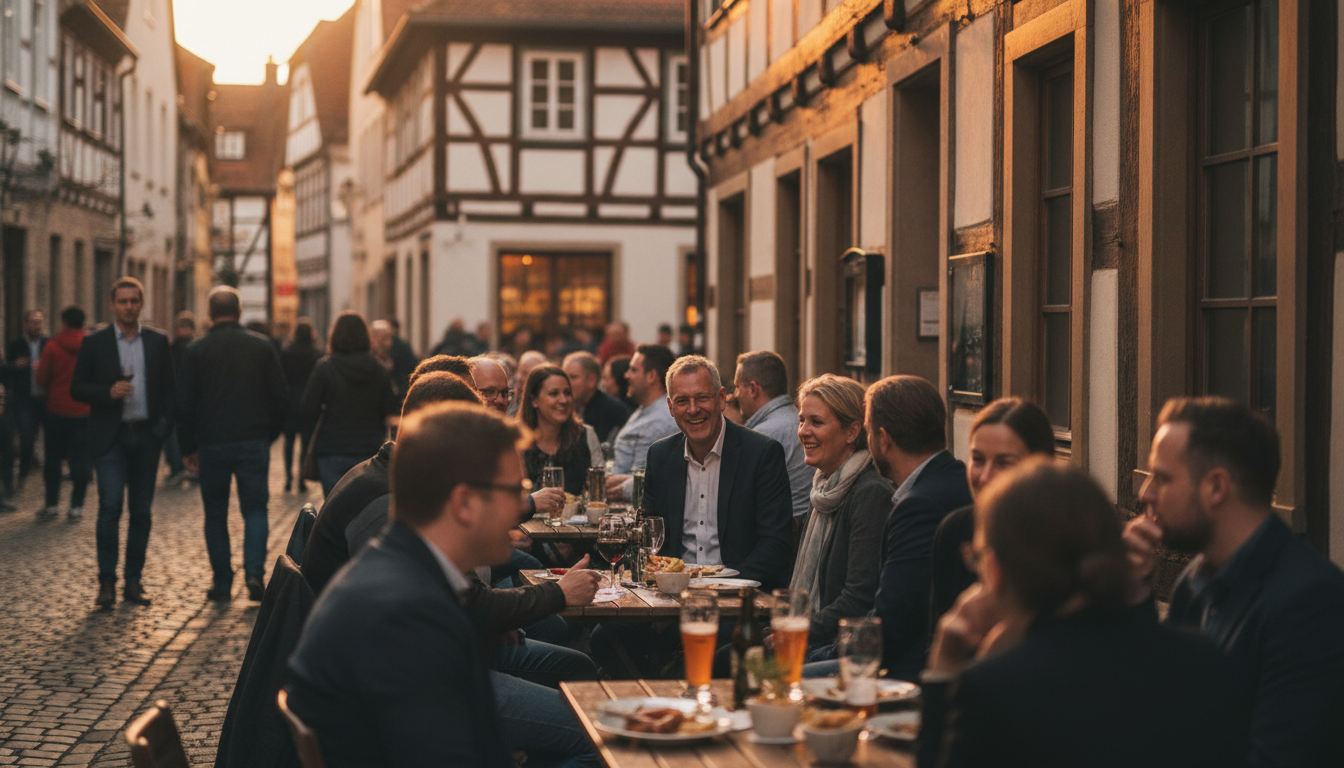
Many of these buildings now house restaurants, cafés and shops, allowing visitors to experience the historic atmosphere while strolling through the old town.
📍 Discover more: Explore further recommendations for Soest on our city page.
Conclusion: Soest Attractions as a Complete Experience
The Soest attractions offer visitors a unique combination of history, culture and relaxation. The well-preserved medieval town structure turns every walk into a journey through more than 1,000 years of German history.
The main highlights at a glance:
- St Patrokli Cathedral - A Romanesque masterpiece and landmark
- Wiesenkirche - Gothic hall church with the Westphalian Last Supper
- Town Wall - The best-preserved fortifications in Westphalia
- Historic Marketplace - The centre, with its Gothic town hall
- Burghofmuseum - Comprehensive town history
Plan at least a full day to explore the most important Soest attractions. The compact old town makes it possible to reach all the highlights comfortably on foot. Combine your visit with a stop at one of the traditional restaurants and enjoy the relaxed atmosphere of this historic Hanseatic town.
Frequently Asked Questions about Soest Attractions
Which Soest attractions are an absolute must-see? The absolute must-sees are St Patrokli Cathedral, the Wiesenkirche with the Westphalian Last Supper, the historic town wall and the marketplace with its Gothic town hall.
How much time do you need for the main Soest attractions? You should allow at least 4-6 hours for the main attractions. A relaxed day trip with breaks allows you to explore all the important Soest attractions.
Are there guided tours of the Soest attractions? Yes, the tourist information office regularly offers guided town tours. The themed walks on the Hanseatic era or church history are particularly recommended.
Are the Soest attractions accessible for those with limited mobility? Many attractions are partly accessible. The cathedral and the Wiesenkirche have ground-level access, and the town wall has some accessible sections.
When is the best time to visit the Soest attractions? Soest is appealing all year round. The town is especially beautiful in spring and autumn, when the ramparts are in bloom or turning autumnal colours. During the Soester Fehde in summer, you'll experience the town at its liveliest.
Andreas Wagner