Speyer
Speyer – What Defines German Cuisine? Part 1
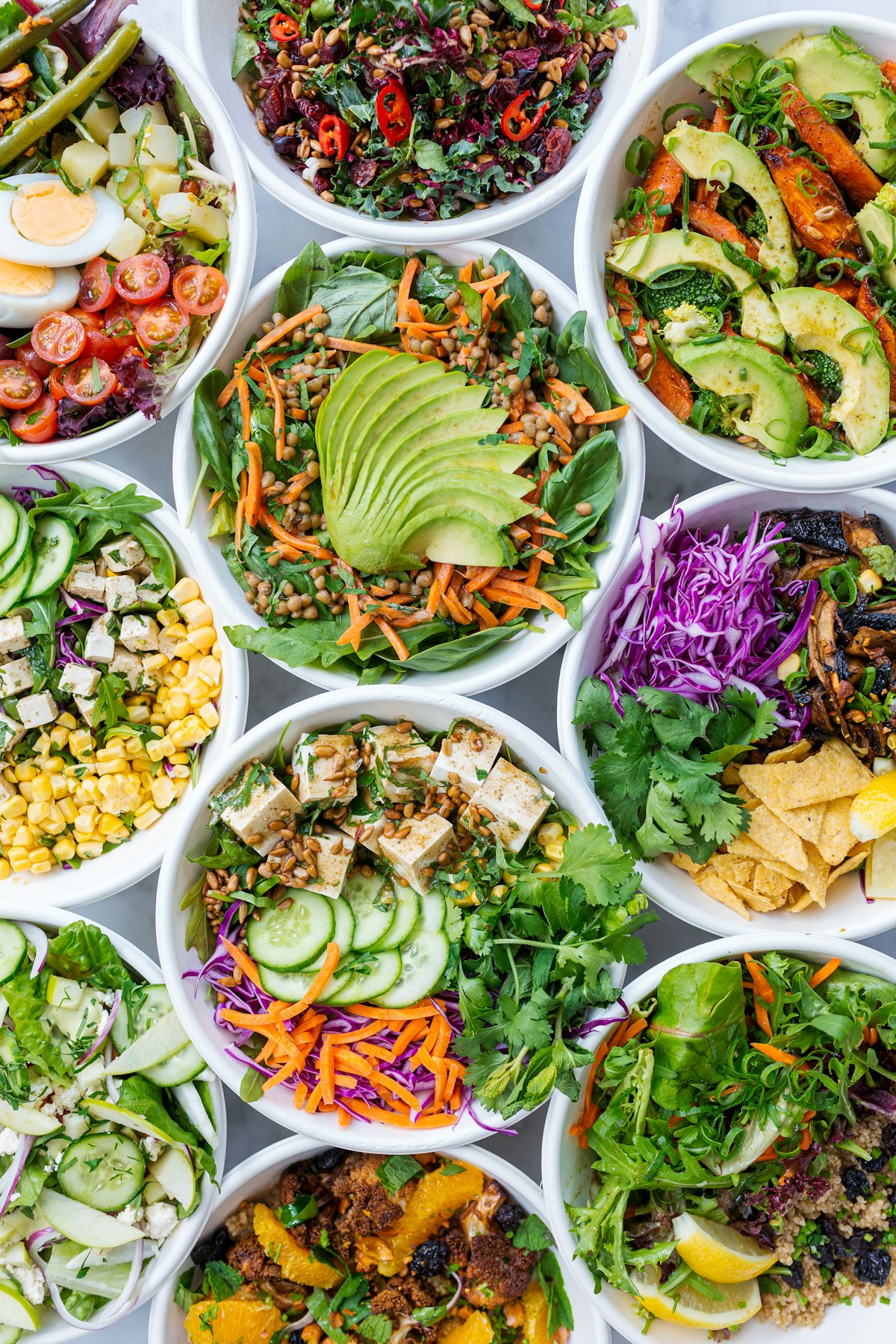
Seen from abroad, German food is usually regarded as rather meat-heavy and hearty. Sauerkraut in particular is clearly typical of us – in the English-speaking world, Germans are called "Krauts".
What Is German Cuisine Known For?
When tourists from abroad come to Speyer on the Rhine, one of the first questions is about classic German specialities. You are expected to be able to name at least a few specialities from the south-west of Germany, or better still from the whole country, beyond German cooking in Speyer and beyond the borders of your own federal state of Rhineland-Palatinate.
Besides sauerkraut, Germany is popular for its numerous kinds of bread and sausage. Lübeck marzipan, Dresden stollen, Thuringian grilled sausages, pretzels from Bavaria and German wines are other export hits.
Above all, Germany is a country with a great variety of good things to eat. From east to west, from south to north – German cuisine has plenty to offer every palate. Regional specialities provide this great variety in German cooking, from fruit and vegetables to meat and fish and on to the different kinds of bread.
Across our homeland, we set off here on a gourmet journey in the two parts of this blog post and present characteristic specialities from each region:
Bavaria – Hearty German Cuisine
Bavarians are known for their hearty cooking, with stews such as Pichelsteiner and many meat dishes such as Weißwurst (a white veal sausage) or Schweinshaxe (roast pork knuckle). Bavarian main meals very rarely do without meat: besides knuckle and Weißwurst, they just as often come as roast pork, Leberkäse (a baked meatloaf) or pork with crackling. Sauerkraut, noodles, bread dumplings or potato salad are typical side dishes.
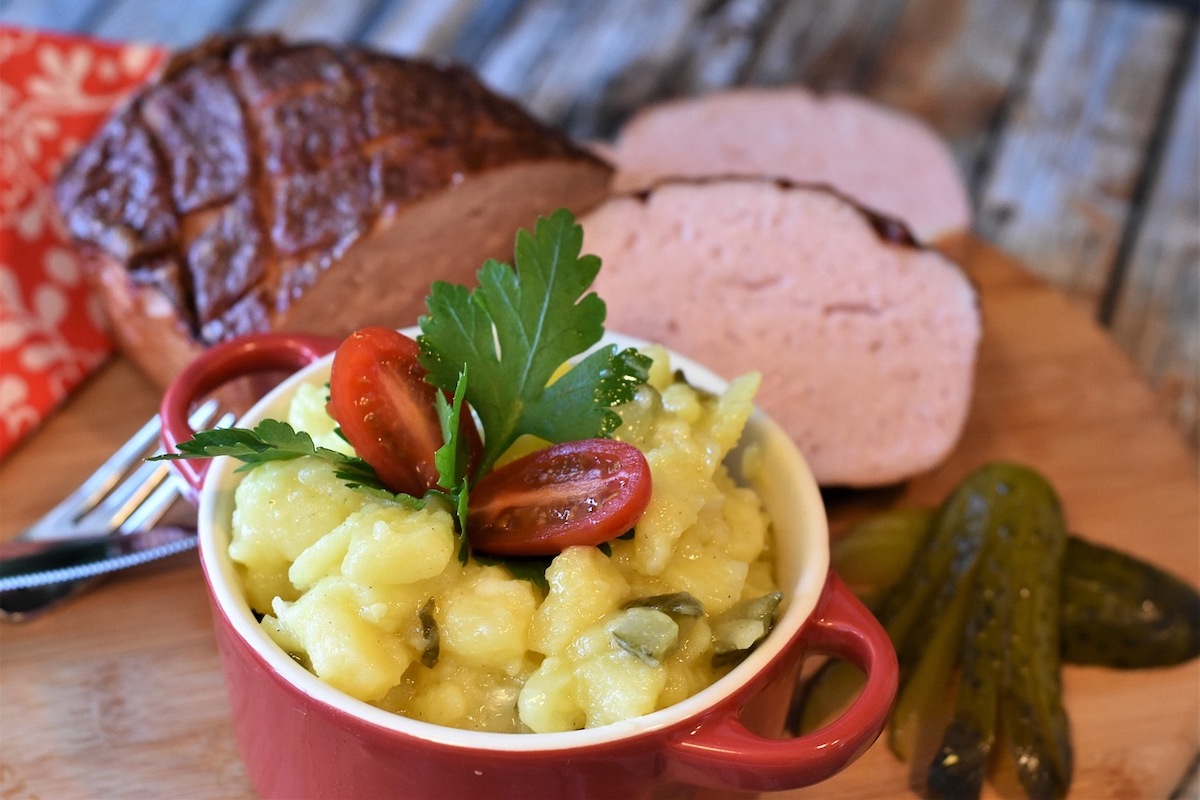
Leberkäse – a classic from Bavaria
And of course Bavarians have the Brotzeit, a traditional cold platter or snack that can happily replace a main course. It consists of meat, sausage, cheese and bread and pretzels ... and then there is also Obatzda, a rich Bavarian cheese speciality.
But Bavarians can do more than hearty, and sweet too: the Germknödel is not only at home in Austria; it is a hemispherical yeast dumpling filled with plum purée. The Prinzregententorte is another delicacy, a cake found mainly in Bavaria, made of several layers of thin sponge and a butter chocolate cream.
Varied German Cuisine from Lower Saxony
Lower Saxony is a large federal state, so there are correspondingly many regional differences. In almost all inns, however, you will come across sauerfleisch (pickled meat), which usually comes from the kitchen with fried potatoes. Heidschnucken meat is especially common in the Lüneburg Heath. From this mutton, there are several products here made into sausages, roasts or goulash.
Lower Saxony is also a stronghold of kale. Depending on the area, it comes with Bregenwurst and Pinkel (smoked sausages). In addition, saltwater fish is available, because Lower Saxony borders the North Sea in the north-west – flounder, herring, mackerel or plaice are therefore often eaten here. Inland, smoked eel is the main thing on offer.
Sweet buckwheat cake, Heidesand biscuits, Eichsfeld Christmas stollen or yeast dough men come from the sweet side. As side dishes, Lower Saxony menus mainly feature asparagus and potatoes.
North Rhine-Westphalia – Meat-Heavy German Cuisine
North Rhine-Westphalia is a federal state in Germany where you meet plenty of beef and pork. While the Rhinelanders prefer Sauerbraten (marinated pot roast), the Westphalians love ham – a passion for meat unites both. Rhenish Sauerbraten is a leading player in the Rhineland: beef is marinated for a few days, then cooked and roasted.
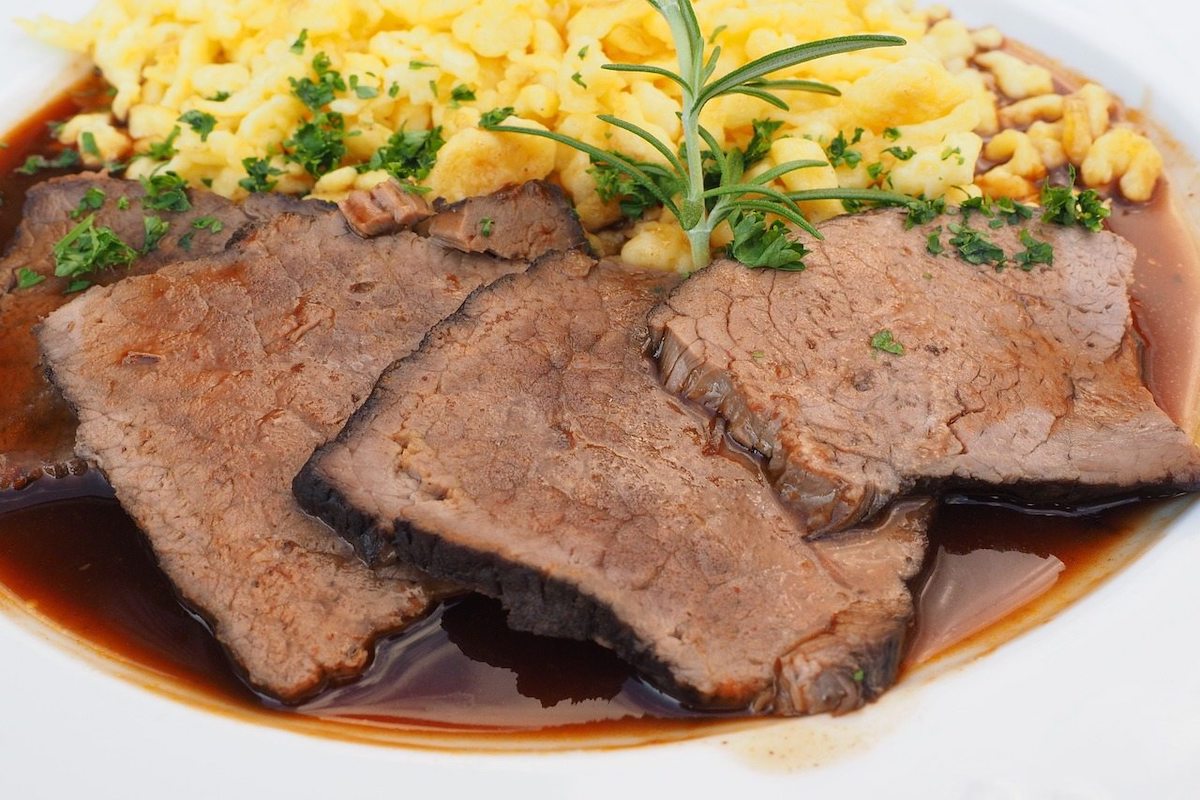
North Rhine-Westphalia would not be the same without Sauerbraten
The state is known for its wide variety of sausages, for example the Westphalian pork Mettwurst or the Westphalian ham sausage. In the Ruhr area you also often find pancakes, and potato fritters are very widespread in North Rhine-Westphalia too, where they are called Reibekuchen. They are often served with apple sauce or stewed apples.
A very hearty, dark rye bread is pumpernickel, a true Westphalian speciality. Aachener Printen are a speciality of Aachen and are reminiscent of gingerbread. They come in several different variants, for example with chocolate or in a softer version.
A hugely popular dessert is Muzen, which come as slices of yeast dough or as small balls of quark dough.
The Noodle Specialists of German Cuisine: Baden-Württemberg
People in Baden-Württemberg like to eat Maultaschen, filled pasta parcels. Long ago, Maultaschen were invented by the monks of Maulbronn Abbey so that they could eat meat during Lent. They are usually served with bread and potatoes and can be baked, boiled in broth or fried.
But of course the culinary landscape in Baden or Swabia does not consist only of Maultaschen. The emphasis is rather on good, simple and hearty food.
The cooking of Baden is inspired by French cuisine, as shown, for example, by the Baden snail soup. A Baden trio is made of Brägele (fried potatoes), Bibbeliskäs (a fresh cheese spread) and sausage salad. And in Baden, of course, the popular Black Forest gateau must not be forgotten, a huge chocolate cake with kirsch, whipped cream and cherries.
An extremely popular meal in Swabia, by contrast, is Zwiebelrostbraten, roast beef with crispy onions. Spätzle, that is egg noodles, are also among the specialities of Swabia.
Käsespätzle are another Swabian favourite dish. They are egg-dough noodles, prepared by adding cheese and onions.
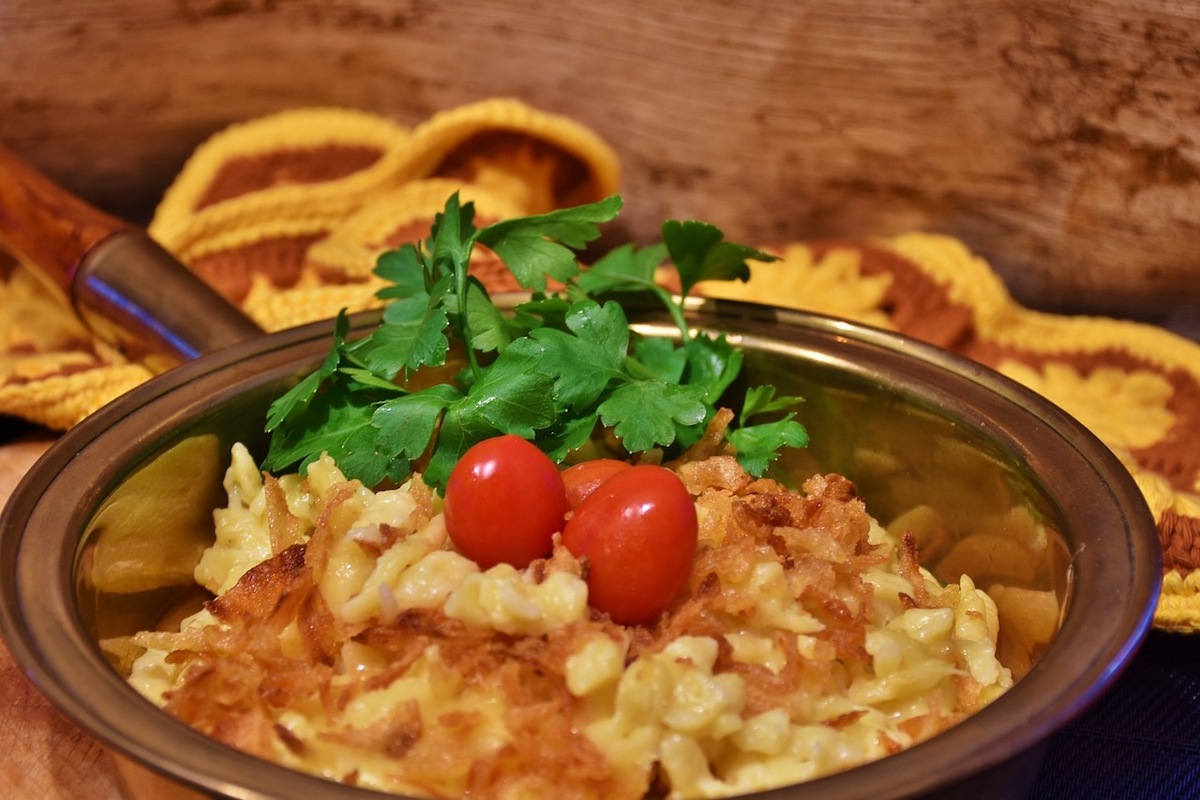
A Swabian speciality – Käsespätzle
They are also often served as a side dish with meat or fish dishes, or with gravy.
Kaiserschmarrn, a pancake cut into small pieces, is a popular dessert in Swabia, brought from the kitchen with apple sauce or plum compote.
German Cuisine with a Twist from Rhineland-Palatinate
There is a saying in Germany: "What sounds strange tastes excellent!" Anyone who ventures into the cooking of Rhineland-Palatinate will be convinced of it.
First and foremost, of course, there is Saumagen – a dish prepared in a pig's stomach filled with sausage meat, sauerkraut and potatoes. It became especially famous through the former Chancellor Helmut Kohl, who comes from the Palatinate.
Dampfnudeln, steamed yeast dumplings, are also among the most popular Palatinate classics, made from a dough of milk, sugar or vanilla sugar, butter and flour with dried yeast. They are served with either vanilla sauce or wine sauce.
A traditional autumn dish is Zwiebelkuchen, an onion tart, which is traditionally eaten during the grape harvest. The new, not yet fully fermented wine "Federweißer" goes with it very well.
Döppekooche is a speciality from the Westerwald in the north of Rhineland-Palatinate. It consists of flat cakes fried in fat, made from potatoes or pancake batter. The classic is made from a mixture of grated potatoes, finely chopped onions, eggs, spices, cured meat and bacon.
Spundekäs and Handkäs, two cheese specialities, are also among the delicacies of Rhineland-Palatinate; they taste very good with wine and, in the Straußwirtschaften (seasonal wine taverns) and wine bars, appear on the menu above all in the Rheinhessen region.
The fine wines to go with the specialities of Rhineland-Palatinate come from the wine-growing regions of Rheinhessen, Ahr, Lower Rhine, the Palatinate or the Moselle – so this federal state has plenty to draw on.
...and Much More from the Cooking of Germany
Of course, there would be plenty more dishes to list from every federal state and every area. You could certainly report in more detail on the cooking of Speyer or, more broadly, of the Rhine-Neckar metropolitan region. And it is not only the culinary delicacies but also their liquid counterparts, several of which are characteristic of Germany.
After Schleswig-Holstein, Thuringia, Saarland and Hesse, we will look at typically German dishes for the people of Speyer in the next post.

Redaktion
Das Redaktionsteam von dieBestenderStadt