Trier
The Best Restaurants and Cafés in Trier 2026

Trier, Germany’s oldest city, isn’t just a mecca for history buffs — it’s also increasingly establishing itself as a serious culinary destination. Between the Porta Nigra and the Kaiserthermen, 2026 sees a dining scene pulsing with a deft blend of Roman heritage, Mosel wine tradition and modern cookery. We’ve rounded up the most exciting addresses in the city for you.
Top of the list is a newly opened fine-dining restaurant in Palaststraße, which interprets regional produce to Michelin-star standard. The young head chef, a Trier native with stints in Paris and Copenhagen under his belt, champions a resolutely seasonal menu — in summer 2026 the focus is on Mosel asparagus variations and local char. The wine pairing comes exclusively from Mosel winemakers and is worth every penny.
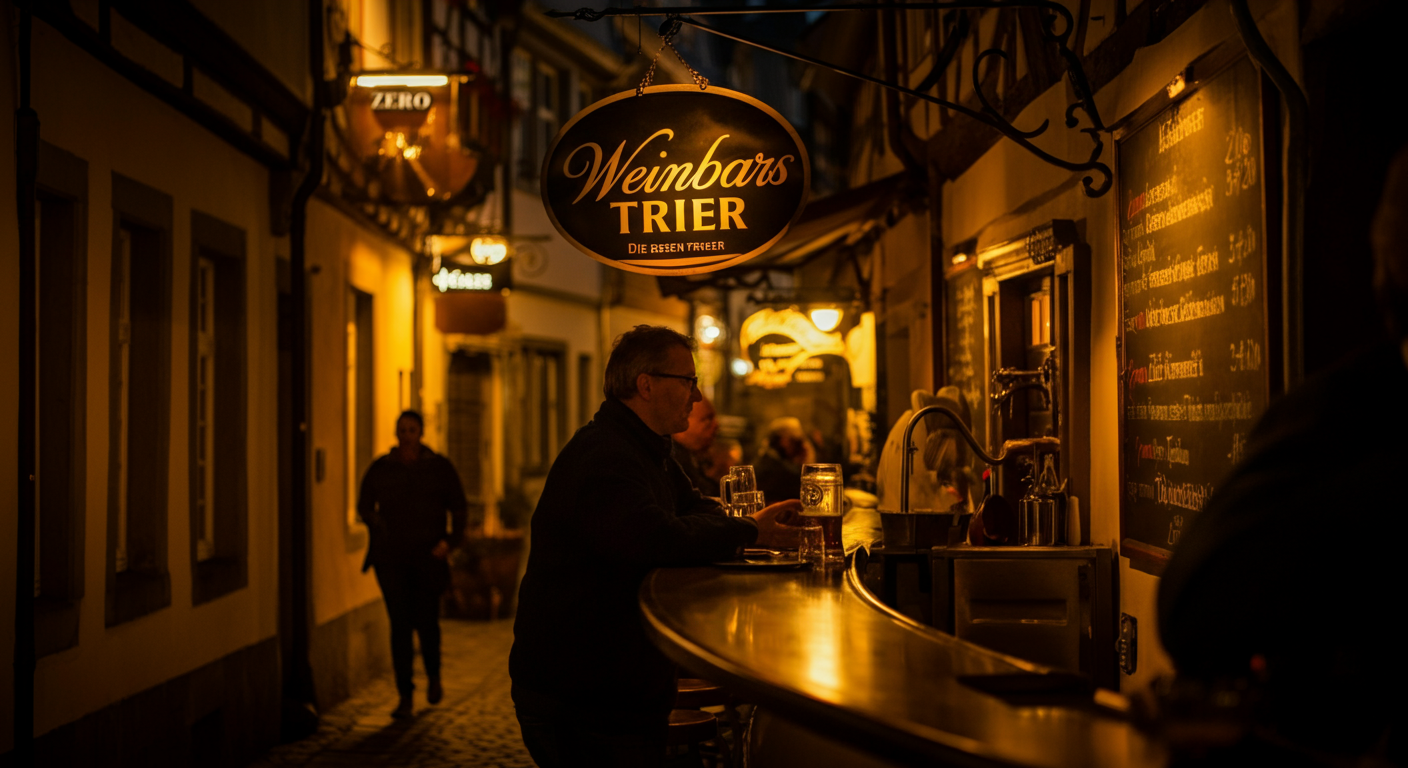
If you prefer something more down-to-earth, the traditional wine taverns in the Altstadt are unmissable. Particularly worth a visit: a rustic tavern tucked down a side street behind the cathedral, where the landlady — now the fifth generation to run the place — serves typical Trier dishes such as ‘Gefillte Klöße’ and ‘Trierer Sauerbraten nach Omas Art’. The wood-panelled walls tell stories spanning centuries, and the house Riesling comes straight from the barrel.
Coffee lovers take note: a small roastery has opened in Simeonstraße, roasting its own beans out back and serving them in a minimalist café space. The flat white made with their own espresso is a genuine insider tip. The attached Tiny Bakery offers sourdough bread and croissants on Saturdays that easily rival the Parisian originals.
For balmy summer evenings, the new float bar on the Mosel is well worth a visit — a converted cargo barge moored on the Zurlaubener Ufer, offering cool drinks alongside a small but excellent tapas menu. The view of the illuminated vineyards on the opposite bank makes this one of the most romantic spots in the city.
One last tip: tucked away in the former coach house of the Kurfürstliches Palais is a vegetarian bistro working exclusively with produce sourced from within a 30-kilometre radius. The ever-changing daily menu is so inventive that even committed meat-eaters find themselves won over.
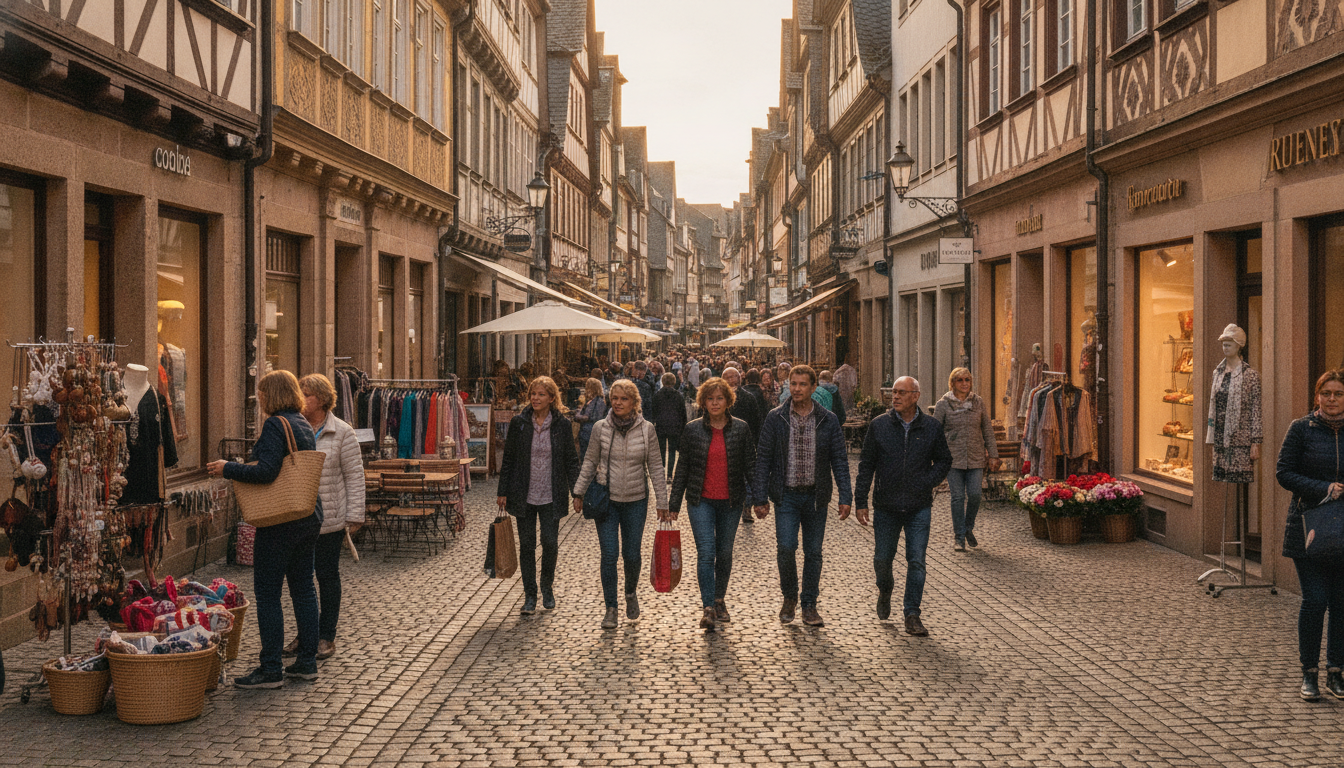
Trier’s culinary stage begins at the Hauptmarkt: around the Petrusbrunnen and the Steipe, cafés and restaurants sit in buildings older than some nations — bustling market life outside, Mosel cosiness within. Come at lunchtime and you can combine a spot of market shopping with a meal in one go.
The maritime counterpart lies by the river: in the former fishing quarter of Zurlauben, terraces and wine bars line up along the Mosel riverbank — sunsets, boats and Riesling spritzers included. On summer evenings, the riverside row is one of the most sought-after spots in the city.
Nothing happens in Trier without wine: the vineyards of the Mosel, Saar and Ruwer shape the menus, wine bars and taverns pour top vintages by the glass, and in the Olewig district a wine culture trail leads straight through the vines to the winemakers’ farms. During the wine festival season, the whole city joins the celebration.
Then there’s the regional classic: Viez, the tart apple wine, is as much a part of Trier’s identity as Tresterfleisch and hearty home cooking in the traditional inns. Younger kitchens are now giving this foundation a lighter touch — regional, seasonal, and with an eye across the border to Luxembourg and France.
Trier eats internationally as a matter of course: students and the city’s proximity to the border bring variety ranging from Levantine to Vietnamese, and the sheer number of pizzerias and bistros keeps prices in check. If you like the mix, you’ll be happy between Neustraße and Saarstraße.
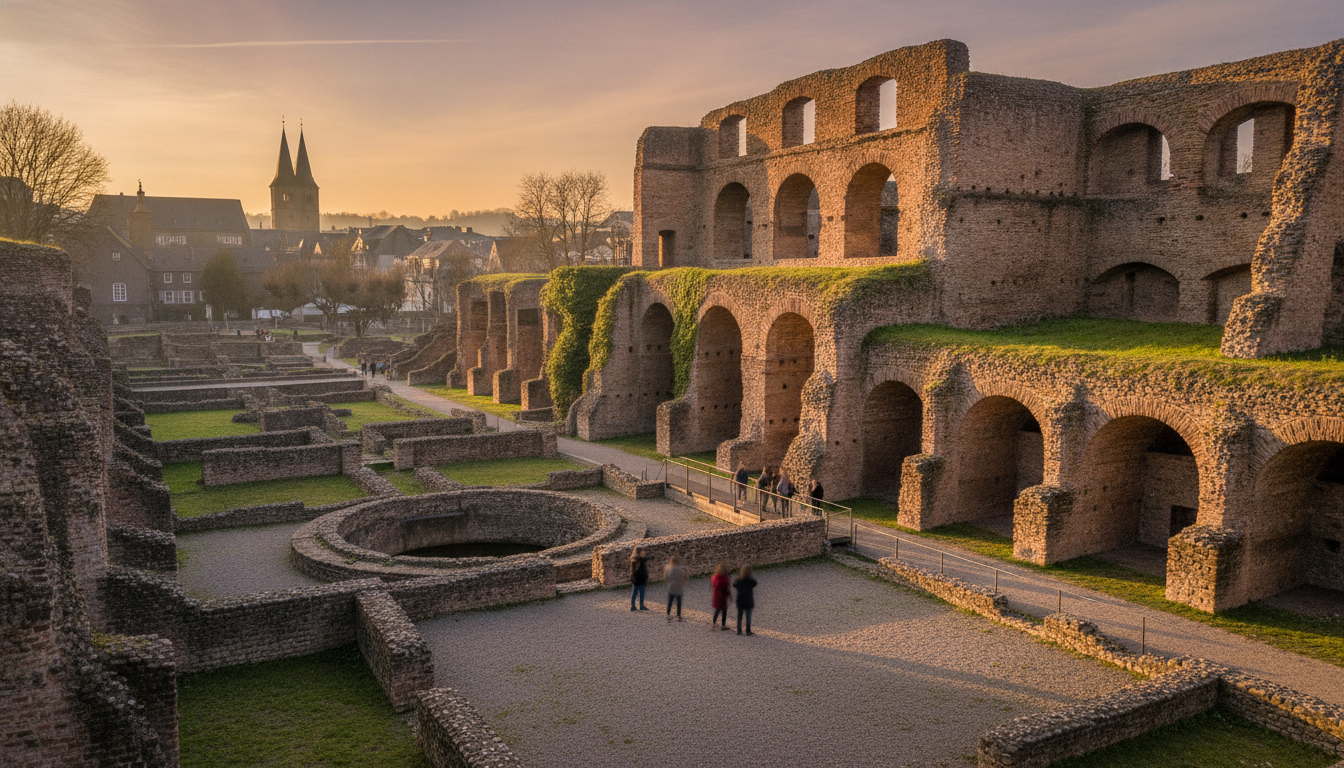
The café culture carries a Roman flair: breakfast with a view of the Porta Nigra, coffee houses in baroque buildings, and ice cream parlours with queues that stretch as far as the market in summer. That takes care of your break between the amphitheatre and the Kaiserthermen.
If you’re after something special, you’ll find upmarket addresses in the Altstadt and surrounding area: seasonal menus, wine pairings from the Mosel, and country inns in the side valleys — booking ahead is recommended, especially at weekends and during festival dates.
Markets and festivals set the rhythm of the culinary year: the weekly market at Domfreihof, farmers’ markets, the Altstadtfest and the Christmas market against the cathedral backdrop regularly turn the city centre into a festive table. Local winemakers make their presence felt too.
Practically speaking: the food-and-drink hotspots lie within walking distance between the Porta and the Mosel, there are car parks along the Alleenring, and the train brings guests from Luxembourg and Koblenz straight into the centre. If you’re planning a tour, you can easily combine Roman sites with a bite to eat in one day.
That’s how Germany’s oldest city tastes remarkably young in 2026: a Roman backdrop, Mosel wine in the glass, and a cuisine caught between tradition and new beginnings. Anyone who’s ever let an evening drift by in Zurlauben knows why the people of Trier don’t just sightsee in their city — they savour it.
One last tip for those with time to enjoy: combine a wine walk in Olewig, an afternoon at the thermal baths and dinner by the riverside — this way, Roman Trier merges with the pleasures of today into a day you won’t forget. Cheers — or as the Romans said: bene tibi.
And if you still need proof that indulgence has a long tradition here: two thousand years ago the Romans were already savouring wine on the Mosel — the people of Trier simply carry on this legacy, plate by plate and glass by glass.
Enjoy your meal, Trier — here’s to the next two thousand years of good taste.
All that’s left is to take a seat — ideally somewhere with a view of the Porta or the Mosel, where the menu tastes of the region.
Die Besten der Stadt