Wolfsburg
Urban Development in Wolfsburg: New Projects and Areas 2026

Wolfsburg is far more than just the city of the Beetle and the Golf. Over the past few years, this city in Lower Saxony has developed into an exciting destination for city explorers and shopping fans alike. We take a look at the new projects and neighbourhoods shaping Wolfsburg in summer 2026.
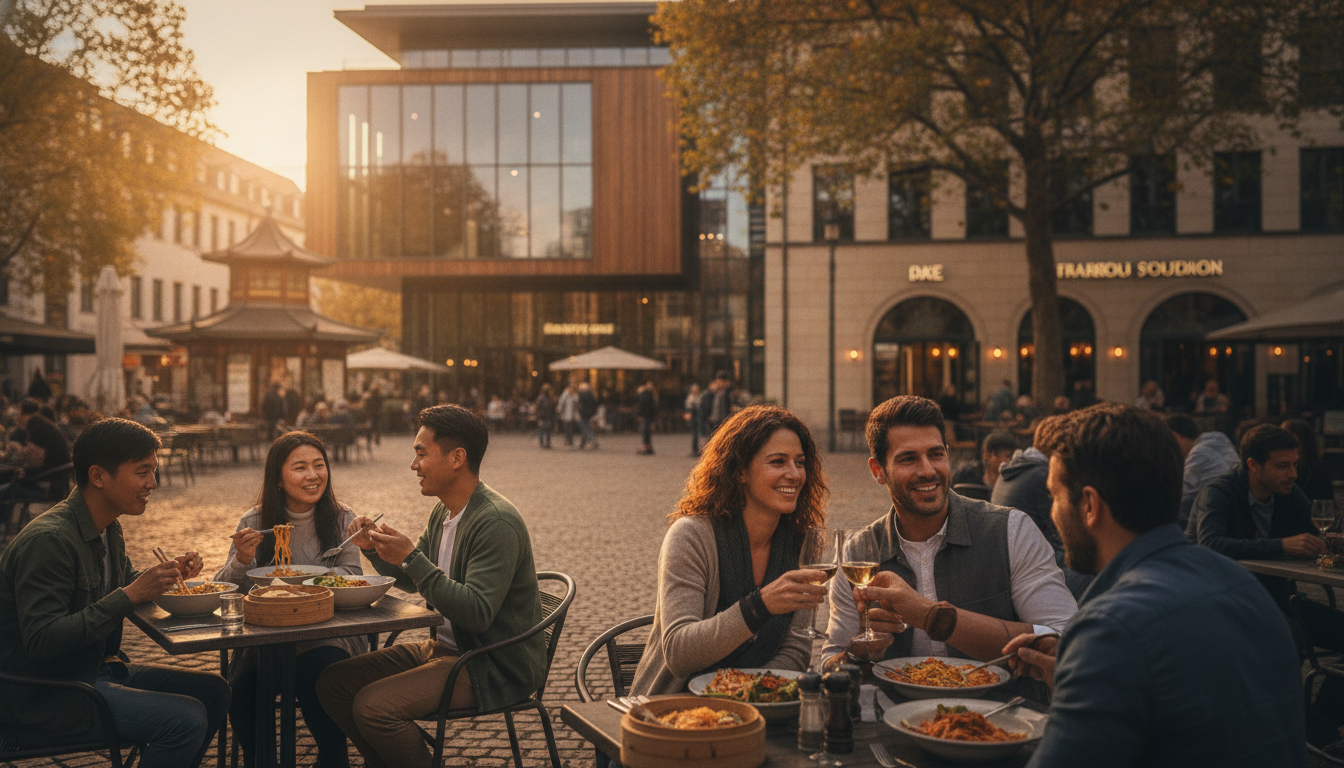
The largest and most ambitious project is the ‘Nordkopf’ quarter around the main railway station. After more than five years of planning and construction, the first phase is now in its final stretch in 2026: a mixed-use quarter of offices, flats, hotels and restaurants is emerging on the former wasteland right next to the station. Particularly striking is the new 16-storey residential tower, which serves as a new gateway to the city. The first restaurants and cafés have already opened, including a modern café and a Vietnamese restaurant.
Further south, in the Westhagen district, one of the country's most closely watched flagship projects for socially conscious urban renewal is underway. The ageing large housing estate from the 1970s is being thoroughly renovated and upgraded under the banner ‘Westhagen 2025+’. New façades, modern building services, more green spaces and a new neighbourhood centre with a supermarket and medical centre have already been completed. These measures are noticeably improving quality of life for almost 10,000 people – a model that is attracting attention well beyond the region.
Another highlight is the development along the Mittellandkanal. The ‘Wasserband’ masterplan, which opens up the waterside areas for leisure and local recreation, is already bearing fruit. New riverside promenades, seating steps down to the water and a canoe hire scheme are turning the canal into a local recreation area. In summer 2026, two new jetties with sunbathing areas opened and quickly became popular meeting spots.
The housing market remains dynamic: around 200 new flats with underground parking and a green roof terrace are being built in the city centre on the former Hertie site. The mix of owner-occupied and rental flats is intended to appeal to different target groups – families as well as commuters who work in Wolfsburg during the week.
Mobility is changing too: the new cycle superhighway to Gifhorn is under construction and is due to be completed by the end of 2027. Some sections are already usable. At the same time, Wolfsburger Verkehrs-GmbH is expanding its car-sharing scheme with 50 new electric vehicles.
Wolfsburg is also making its mark culturally: the art museum has redesigned its outdoor area and is showing a widely acclaimed sculpture exhibition by international artists in public spaces in summer 2026 – accessible to all and free of charge.
Wolfsburg in 2026 is a city in transformation. Anyone who last visited five years ago won't recognise many corners of it – and that's exactly what makes it so appealing.
The most prominent project remains the development around the Nordkopf: between the main railway station, the canal bank and the city centre, a quarter is gradually emerging that combines work, living and mobility in new ways – short distances, modern office space and public areas designed to finally make the leap across the railway tracks towards the ‘Autostadt’ an attractive one. For a city long shaped by car culture, this marks a remarkable shift in perspective.
Housebuilding is also in full swing: following on from Hellwinkel Terrassen, an entirely new district called Sonnenkamp is growing in the east, planned to provide several thousand homes along with schools, nurseries and its own neighbourhood centres. The demand is certainly there – Wolfsburg has for years been among the cities with a tight housing market, and the new-build quarters are intended to noticeably ease the pressure.
Mobility is changing in parallel: new cycle routes, improved bus frequencies and trials with autonomous shuttles show which direction things are heading. The city benefits here from its proximity to the research carried out by the local car manufacturer – what is tested here shapes debates far beyond Wolfsburg. At the same time, streets are being redesigned to give pedestrians and cyclists more space.
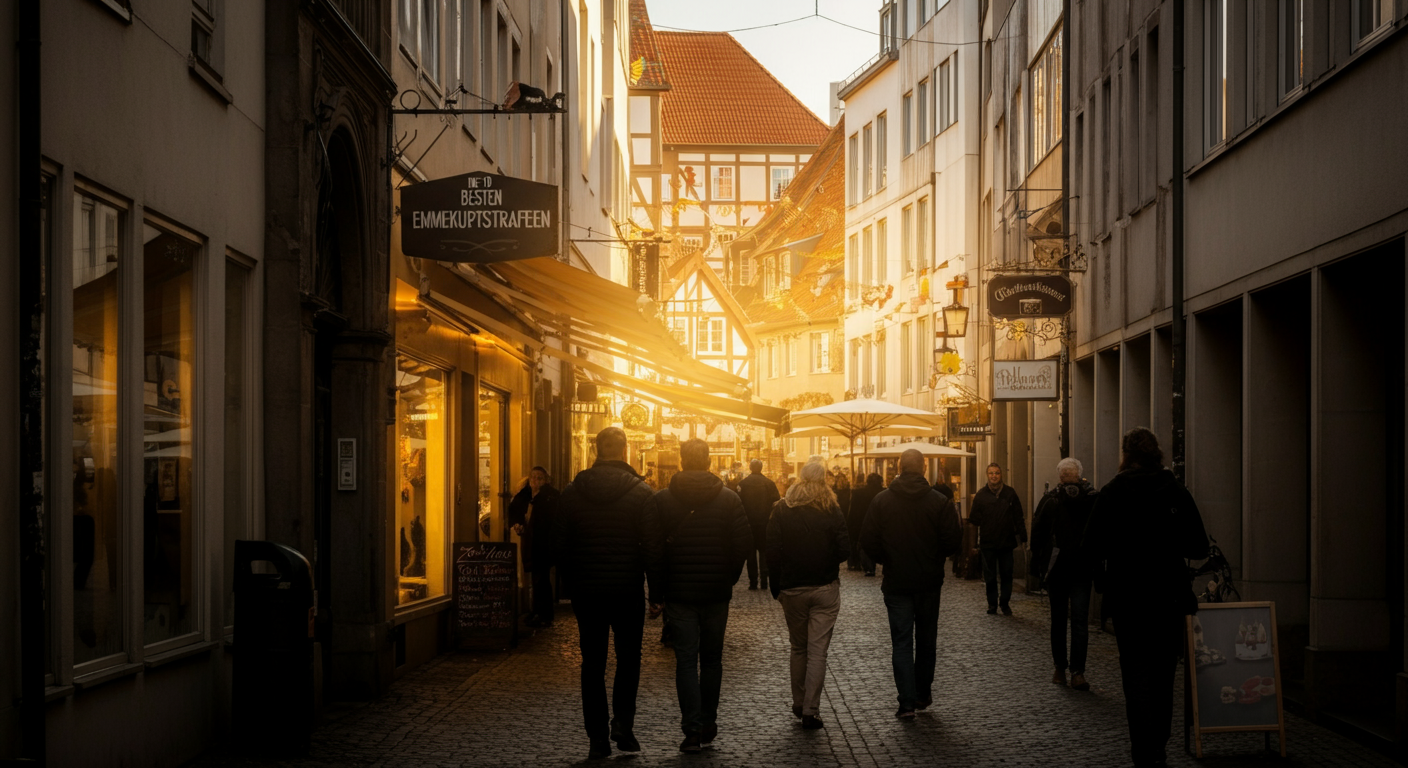
The city centre is also in focus: with redevelopment work on Porschestraße, new uses for vacant retail units and more restaurants, Wolfsburg wants to transform its centre from a pure shopping destination into a place to linger. Events and temporary uses are already testing what works in the long run – from culture in empty units to green street furniture.
Green spaces are not being neglected either: Allerpark, Klieversberg and the landscaped areas on the outskirts of the city are being connected and upgraded, while green roofs and façades are becoming standard in new-build quarters. Climate adaptation is the watchword here too – more shade, better drainage, fewer heat islands.
For anyone interested, it's worth taking a look behind the scenes: the city and project developers regularly offer construction site tours, exhibitions and participation formats. Anyone wanting to have their say has comparatively good chances in Wolfsburg – the planning culture has become more open.
All this means a new Wolfsburg is taking shape well into the 2030s: closer to the water, greener in its neighbourhoods and less dependent on the car than its founding history might suggest. The projects of 2026 are the visible milestones along this path – and a good reason to visit the city for more than just a factory tour.
If you want to see for yourself, the best way to combine a city walk is with the contrasts on offer: start with the pedestrian zone and the Nordkopf, then cycle along the Mittellandkanal to the new quarters in the east. Along the way, it becomes clear just how much is genuinely moving in the city – cranes are currently just as much a part of Wolfsburg's skyline as the power station.
And one final thought: urban development here is always also about location policy. If the transformation into a more diverse, more liveable city succeeds, Wolfsburg will become less dependent on the fortunes of a single employer – and that, ultimately, is what the success of the 2026 projects will be measured by.
Die Besten der Stadt