Worms
Our Tapas Tips for Worms
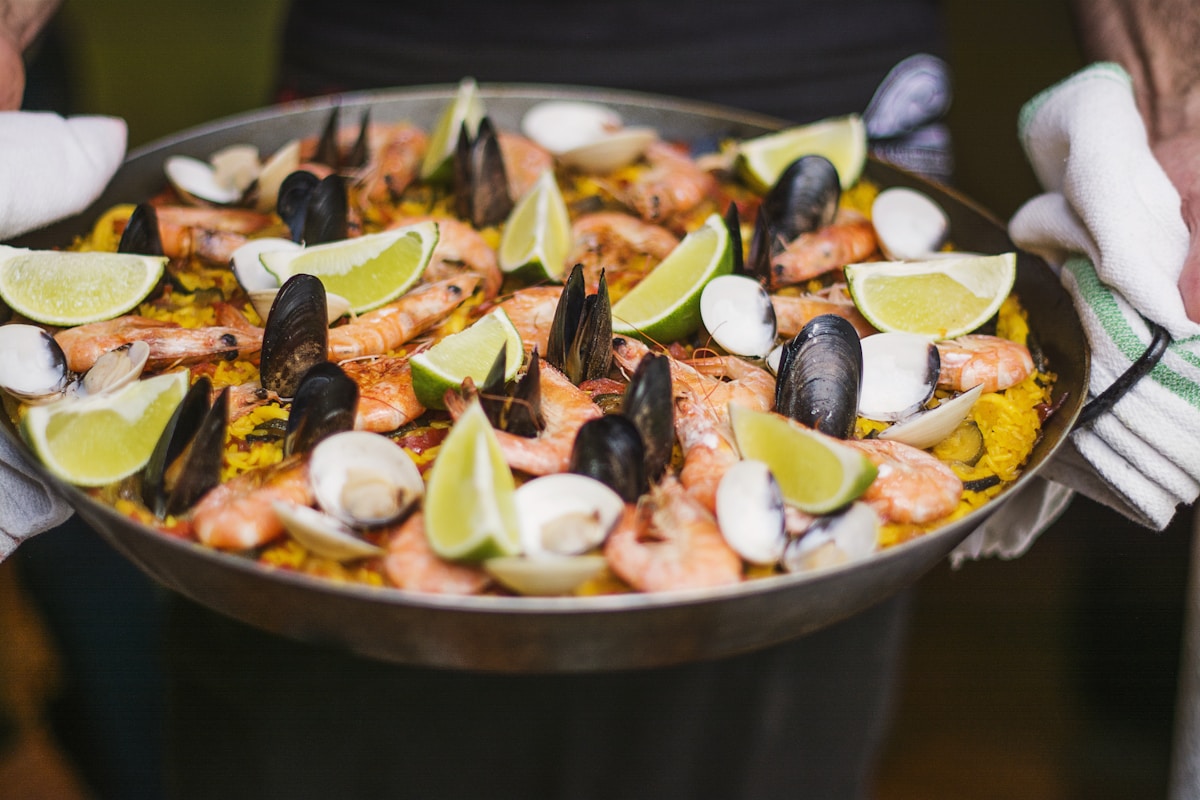
One tapa, two tapas – the Spanish know how to live and dine well. With over 130 different types of tapas, all you're left with is the agony of choice. Everyone knows tapas. But where do they actually come from, and how did they come about?
Tapas were first served in southern Spain, more precisely in Andalusia. The country's most famous wines and sherries are closely linked to tapas. It's well known that a glass of sherry or wine would be covered with a slice of ham, a small dish of olives or a piece of bread.
There are two reasons for this: firstly, strong winds wouldn't blow dust or insects into the drink, and secondly, it kept the flavour in the glass.
Various theories still persist as to whether three kings, independently of one another, played an important role in how tapas came about.
What exactly are tapas?
Tapas are known and loved throughout the country – especially in Spain. In Spain, you have to pass the time with various hot and cold tapas until dinner, which doesn't take place until between 9.30pm and 11pm.
Tapas come in all sorts of varieties, whether fish and meat specialities or vegetarian dishes. Several Spanish specialities, such as Serrano ham, chorizo and Manchego cheese, are also used. Many of these delicacies are served with aioli, vegetables or mojo sauce.
What's on offer along the Rhine
The choice of seafood tapas is extensive:
Puntillitas fritas (deep-fried baby squid)
Pulpitos en su tinta (very small octopus in their own ink)
Gambas al ajillo (prawns fried in olive oil with chilli and plenty of garlic)
Boquerones fritos (deep-fried anchovies)
Boquerones en Vinagre (anchovies marinated in vinegar)
Almejas a la marinera (clams in a piquant white wine sauce)
Mejillones (mussels)
The choice of meat-based tapas is even bigger still:
Caracoles (land snails in a piquant sauce, often with chorizo and diced ham)
Pinchos morunos (marinated meat skewers)
Albóndigas (meatballs)
Ciruelas (bacon-wrapped fried prunes)
Pollo al ajillo (garlic chicken)
Jamón Serrano (Serrano ham)
Carne en Salsa (small pieces of meat in sauce, similar to goulash)
Riñones (sliced kidneys in a white wine and garlic sauce)
Pan con Chorizo, Morcilla, Jamón, Queso (white bread topped with chorizo, Spanish black pudding, ham or cheese)
Roscos (bagel-like white bread rings topped, for example, with ham and/or cheese)
Orejas a la plancha (fried pig's ears)
Jarretes con alcachofas (lamb shank with artichokes) or Cordero de cuenco (braised leg of lamb) also count as tapas, but in practice they're clearly too large. The Spanish are clever about it – these are shared among the whole group.
There's also something for everyone among the vegetarian tapas:
Tortillas (potato omelette)
Pimientos de Padrón (peppers fried in olive oil and seasoned with coarse salt)
Almendras fritas (roasted and salted almonds)
Aceitunas or Olivas (various pickled olives)
Patatas chips (crisps)
Patatas bravas (fried potato cubes with a spicy sauce)
Patatas alioli (potatoes in garlic mayonnaise)
Patatas fritas (chips)
Pan con tomate (toasted white bread spread with tomato flesh, garlic and olive oil)
Ensaladilla Rusa (Spanish potato salad)
In northern Spain, tapas are known as pinchos (toothpicks). The dishes are often skewered on colour-coded toothpicks, which frequently also indicate the price of the dish through the colour marking. In some parts of Spain, they're accordingly also called banderillas, because the toothpicks resemble the coloured spears used in bullfighting.
Red or white wine?
Tapas are normally served with alcoholic drinks such as shandy, Spanish beer, wine or sherry, or Tinto de Verano, one of Spain's most typical drinks – not to be confused with, but similar to, sangría.
But of course, everyone can and should drink whatever they like with their tapas – juice, water, coffee or spirits are all perfectly fine in tapas bars in Germany too.
Spanish wines certainly offer just as wide a selection as tapas do. Here's a quick overview of which wine goes with which tapa.
With chicken, seafood or vegetables, you can't go wrong with a white wine. A good choice could be a light Chardonnay, an Albariño or a fruity Sauvignon Blanc.
Red wines go best with meat, and this applies to meat-based tapas too. A Garnacha or a Tempranillo is a good choice here. The tapas served alongside will determine how intense the wine should or can be.
The atmosphere in tapas bars in Worms
You'll find Mediterranean flair alongside Spanish cuisine in tapas bars. Shades of brown, terracotta, bold colour accents and wood – classic tapas bars are often rustic in style. They resemble a typical German pub, with a long bar with bar stools and small seating groups.
Let yourself be tempted by the authentic atmosphere and delicious specialities of a tapas bar right near you. You'll find the link to our ranking further down below. After all, a tapas bar is a place to socialise, and to eat and drink together.
Service along the Rhine
How important is good service at a tapas bar? No matter which restaurant you're in, service is always important.
With tapas, which are still not that well known, service is particularly important. Traditionally, not all the tapas ordered are served at the same time. This makes a lot of sense, as it means cold tapas – at least in Spain – don't go warm, and warm tapas don't go cold.
Waiting staff should be able to answer any questions about the tapas menu without any trouble. Even if you're unsure what to order, they should be able to make recommendations – especially when it comes to choosing the right wine.
You can, of course, rightly expect the service to be polite and attentive.
Vote now for tapas bars in Worms
Do you know any good tapas bars in or near Worms? If so, help tourists in your city with your vote on our list of the best tapas bars in Worms in Rheinland-Pfalz. That way, you'll also be supporting your favourite tapas bar.

Miriam Brandt
Miriam hat Medizinjournalismus studiert und übersetzt komplizierte Fachthemen in verständliche Sprache. Sie recherchiert zu Praxen, Kliniken und Therapieangeboten und legt großen Wert darauf, Fakten von Marketingversprechen zu trennen. Privat läuft sie Halbmarathon.