Deutschland
Asian Restaurants in Deutschland
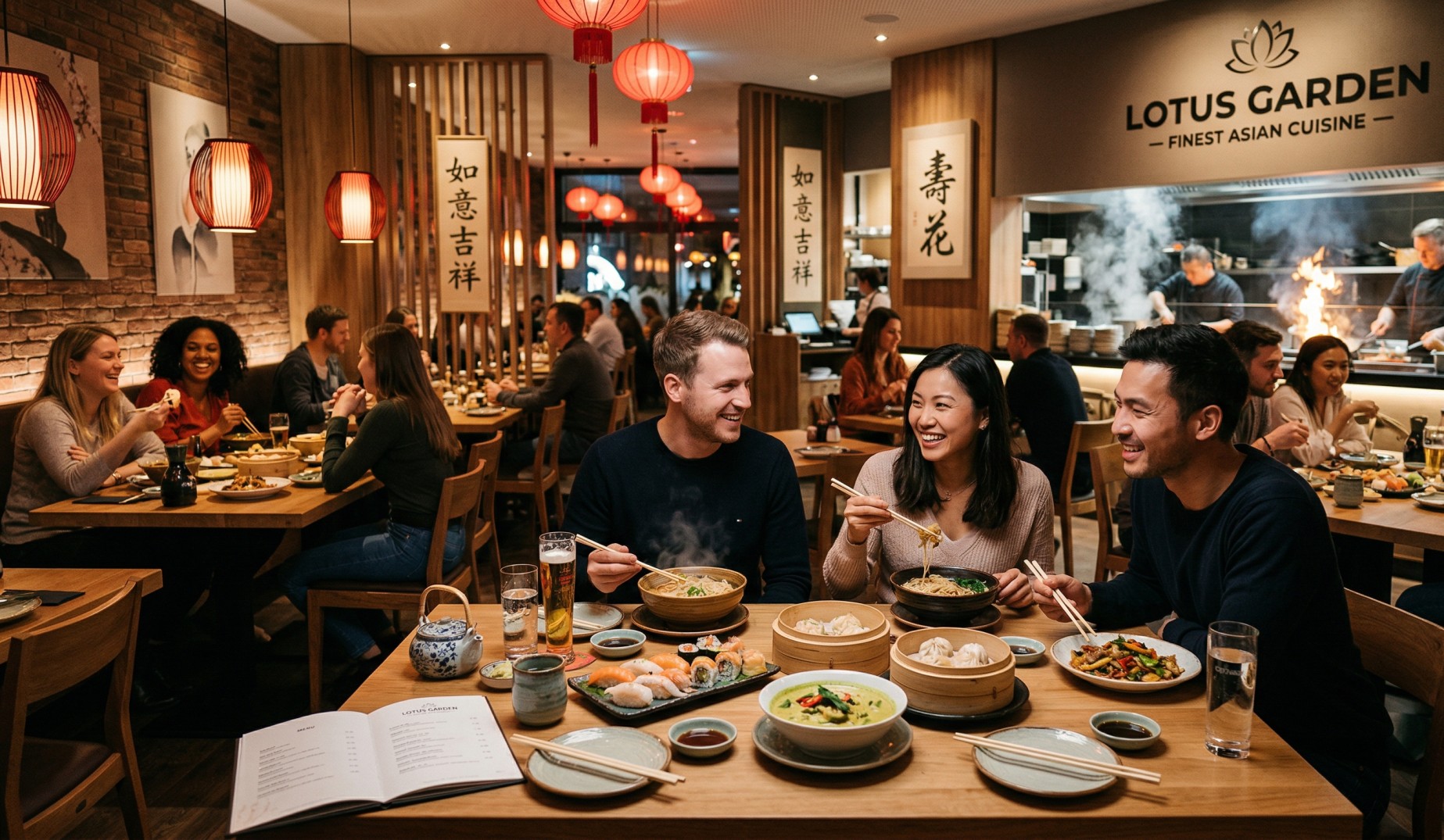
Asian cuisine has become one of the most popular culinary segments in Germany. From small family-run restaurants to upmarket dining experiences, Asian restaurants offer an impressive variety of flavours and cooking styles.
The diversity of Asian cuisines in Germany
Asian restaurants in Germany represent a broad range of culinary traditions. Chinese, Japanese, Thai, Vietnamese and Korean restaurants have firmly established themselves in the German dining scene.
Each cuisine brings its own distinctive ingredients and preparation methods. From the art of sushi-making to the complex seasoning of Vietnamese pho soups, authenticity plays a crucial role in the success of these restaurants.
Top Asian restaurant categories
The Asian restaurant landscape can be divided into several categories:
- Sushi bars and Japanese restaurants: focused on fresh seafood and precise preparation
- Chinese restaurants: from Cantonese to Szechuan cuisine
- Thai restaurants: known for their balance of sweet, sour, salty and spicy
- Vietnamese restaurants: Specialising in pho, bánh mì and fresh summer rolls
- Korean BBQ restaurants: interactive dining with tabletop grilling
- Pan-Asian concepts: a fusion of different Asian culinary traditions
- Ramen bars: Specialising in the Japanese art of noodle soup
- Dim sum restaurants: traditional Chinese teahouse culture
Authenticity vs local adaptation
Many Asian restaurants in Germany face the challenge of offering authentic dishes while still appealing to German tastes. Successful concepts often strike a balance between tradition and local preferences.
Some restaurants commit to complete authenticity, even bringing in chefs directly from their countries of origin. Others adapt their menus to German habits without losing the essence of their cuisine.
The best cities for Asian restaurants
Major cities such as Berlin, Munich, Hamburg and Cologne offer the widest choice of high-quality Asian restaurants. Berlin is considered especially diverse, with strong Vietnamese and Korean communities.
Munich scores highly with upmarket Japanese restaurants, while Hamburg's port heritage means it has particularly good sushi bars. Smaller towns are also increasingly developing interesting Asian dining scenes.
Trends in Asian dining
Current trends point towards:
- Healthy cuisine: a focus on fresh ingredients and lighter cooking methods
- Street food concepts: authentic street food in a restaurant setting
- Premium dining: upmarket Asian cuisine with European service standards
- Vegetarian/vegan options: adapting to modern dietary trends
- Craft cocktails: Asian-inspired drink pairings
- Interactive dining: teppanyaki, hot pot and Korean BBQ
Quality criteria for Asian restaurants
Several factors should be considered when assessing Asian restaurants. Freshness of ingredients comes first, particularly with sushi and other raw preparations.
The authenticity of the spices and sauces is another important indicator. Many high-quality Asian restaurants import speciality ingredients directly from their countries of origin or make traditional sauces themselves.
Service should reflect the cultural aspects of the respective country, without neglecting German service expectations.
Pricing and value
Asian restaurants in Germany cover every price bracket. Simple takeaways and lunch spots often offer excellent value for money, with authentic dishes at affordable prices.
Upmarket Asian restaurants justify higher prices through premium ingredients, elaborate preparation and a special atmosphere. Omakase menus at Japanese restaurants or multi-course tasting menus at modern Asian restaurants can command top prices.
The future of Asian dining
The future for Asian restaurants in Germany looks promising. Growing cultural openness and interest in authentic flavour experiences are driving demand.
Sustainability is becoming increasingly important, reflected in the use of regional ingredients and eco-friendly packaging. Technology integration through online reservations and contactless ordering systems is becoming standard.
The second and third generations of Asian immigrants often bring innovative concepts that combine traditional cuisine with modern styles of presentation.
For more information on the best restaurants in various categories across Germany, visit our comprehensive restaurant guide, which will help you choose the perfect dining experience.
Thomas Meyer