Deutschland
German Nature Parks: Germany's Most Beautiful Reserves
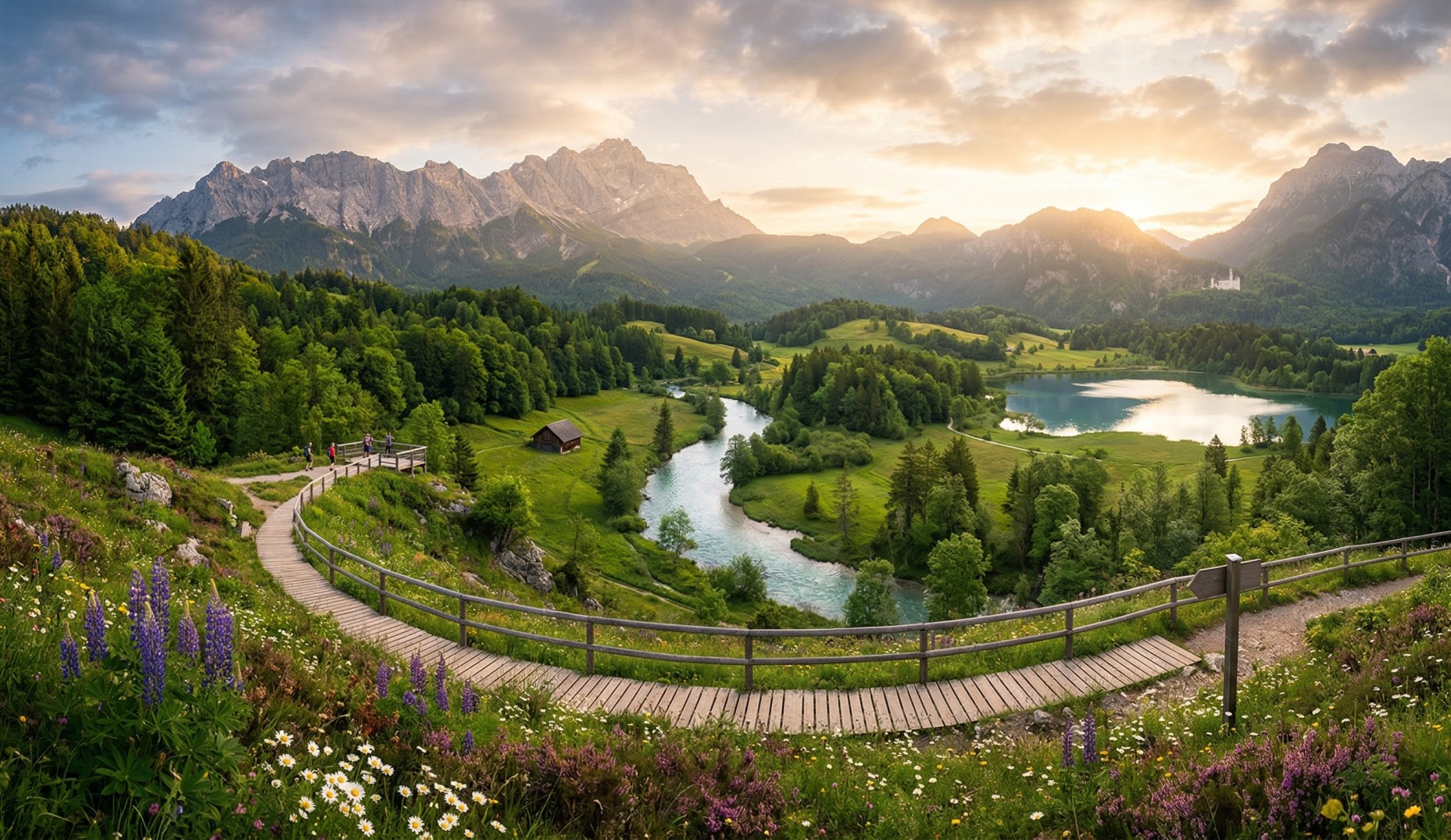
Germany is rich in breathtaking natural landscapes, protected across more than 100 nature parks and nature reserves. These valuable natural areas rank among the most significant attractions in Germany and offer visitors the chance to experience the original beauty of German nature.
From the mystical forests of the Eifel to the imposing rock formations of Saxon Switzerland, these protected areas stretch across every federal state. They not only preserve unique ecosystems but also provide countless opportunities for outdoor activities and nature experiences.
The most significant German nature parks at a glance
Germany's nature parks stand out for their exceptional diversity. Each park has its own character and offers unique nature experiences. The protected areas stretch from the North Sea to the Alps and encompass a wide variety of landscape types.
The largest and best-known nature parks attract millions of visitors every year. They serve not only nature conservation but also environmental education and sustainable recreation. These areas are true treasures of the German natural landscape.
The top 8 German nature parks:
- Bavarian Forest National Park - Germany's oldest national park with primeval forests
- Berchtesgaden National Park - Alpine landscapes with the Königssee
- Eifel National Park - Mystical forests and historical sites
- Saxon Switzerland National Park - Spectacular sandstone cliffs and gorges
- Harz National Park - Low mountain range with the legendary Brocken
- Black Forest National Park - Dense woodland and traditional culture
- Wadden Sea National Park - UNESCO World Natural Heritage site on the North Sea
- Jasmund National Park - Chalk cliffs on Rügen
Nature parks in North Rhine-Westphalia and the Eifel
North Rhine-Westphalia is home to some of Germany's finest nature parks. The Eifel National Park is a particular focus for visitors. This region offers a unique blend of unspoilt nature and historical heritage.
The Eifel region is characterised by its volcanic past. Maars, crater lakes and mineral-rich springs shape the landscape. Here, visitors can observe rare species such as wildcats and black storks in their natural habitat.
The Hohes Venn-Eifel Nature Park stretches across the border into Belgium. The boggy plateau of the Hohes Venn offers unique hiking experiences through an almost mystical landscape. The region is at its most beautiful, especially in autumn.
Bavarian nature reserves and Alpine landscapes
Bavaria impresses with spectacular nature parks in the Alps and the Bavarian Forest. Berchtesgaden National Park is regarded as a jewel among Germany's protected areas. The dramatic mountain landscapes around the Königssee attract nature lovers from all over the world.
The Bavarian Forest, Germany's oldest national park, impresses with its primeval forests. Here, visitors can experience nature that is almost entirely untouched. Lynx, capercaillie and peregrine falcons have made their home in this area.
The Zugspitze region offers alpine experiences of the highest order. Germany's tallest mountain towers majestically over a unique high-mountain landscape. Glaciers, alpine meadows and crystal-clear mountain lakes define the character of this extraordinary natural region.
Northern German nature parks and the Wadden Sea
Northern Germany's nature parks offer completely different, but no less fascinating, nature experiences. The Wadden Sea, a UNESCO World Natural Heritage site, is at the centre of attention. This unique coastal landscape is home to millions of migratory birds.
The Schleswig-Holstein, Hamburg and Lower Saxony Wadden Sea national parks together form the largest continuous tidal flat area in the world. At low tide, visitors can take guided mudflat walks and explore the fascinating underwater world.
Jasmund National Park on Rügen impresses with its famous chalk cliffs. The Königsstuhl formation is a landmark of Germany's Baltic coast. Ancient beech forests and dramatic stretches of coastline make this park an unforgettable experience.
Central German nature parks: the Harz and Saxon Switzerland
Central Germany is home to two of the country's most spectacular nature parks. Harz National Park spans three federal states and offers a wide range of nature experiences. The legendary Brocken is the heart of this mystical low mountain landscape.
The forests of the Harz are home to lynx, which have been successfully reintroduced here. Hikers can explore the original spruce forests on well-developed trails. The Brocken Railway offers a nostalgic journey to the summit of the Harz's highest peak.
Saxon Switzerland National Park impresses with its bizarre sandstone cliffs. The Bastei formation is one of Germany's best-known natural landmarks. Deep gorges, steep rock faces and dense forests create an almost fairy-tale atmosphere.
Activities and experiences in German nature parks
German nature parks offer countless opportunities for outdoor activities. Hiking comes first, but cycling, climbing and wildlife watching are also popular pursuits. Many parks have well-developed visitor centres with informative exhibitions.
Guided tours allow visitors to discover the secrets of nature. Rangers and nature guides share their knowledge of flora, fauna and ecosystems. These programmes are a particularly enriching experience for families.
Popular activities in German nature parks:
- Hiking along marked themed trails and long-distance footpaths
- Wildlife watching with binoculars and a camera
- Photography of the unique landscapes
- Cycling on designated cycle paths
- Climbing on natural rock formations
- Canoeing on rivers and lakes
- Environmental education at visitor centres
- Geocaching as a modern-day treasure hunt
Best time to visit German nature parks
The best time to visit German nature parks depends on the specific region and the activities you're planning. Spring and autumn are generally considered ideal times to visit. Nature comes back to life in spring, while autumn delights with its riot of colour.
Summer is the high season in most nature parks. Warm temperatures allow for a wide range of outdoor activities, though the popular areas are often crowded. Early risers can make the most of the morning calm and the best light for photography.
Winter offers very special experiences in many nature parks. Snow-covered landscapes transform the parks into winter wonderlands. Snowshoeing and cross-country skiing are popular winter activities in the low mountain ranges and Alpine regions.
Sustainable tourism and nature conservation
German nature parks are firmly committed to sustainable tourism. Visitors are encouraged to respect nature and to leave no trace. ‘Leave No Trace’ principles are fundamental across all protected areas.
Many parks offer environmentally friendly ways to get there using public transport. Shuttle services and bicycle hire reduce motorised traffic in sensitive areas. These measures help protect fragile ecosystems.
Environmental education plays a central role in German nature parks. Visitor centres, nature trails and interactive exhibitions provide knowledge about conservation and biodiversity. Children and young people are given particular encouragement, to strengthen awareness of environmental protection.
Practical tips for visiting German nature parks
Good preparation is the key to a successful visit to a nature park. Find out in advance about opening hours, admission prices and any special regulations. Many parks offer online bookings for popular activities.
The right equipment is essential for nature experiences. Weatherproof clothing, sturdy walking boots and enough provisions are part of the basic kit. Binoculars allow for better wildlife watching, while a camera captures the finest moments.
Respect nature and stick to the designated paths. Keep your distance from wild animals and take your rubbish with you. These simple rules help preserve the nature parks for future generations.
Germany's nature parks are true treasures, ranking among the most important attractions in Germany. They offer unique opportunities to experience nature while also learning about environmental protection. Plan your next visit and discover the unspoilt beauty of Germany's natural landscapes.
Also read: Attractions in Germany – The Ultimate Travel Guide 2026
Anna Schneider