Deutschland
Affordable Districts in Hamburg: Cheap Living in 2026
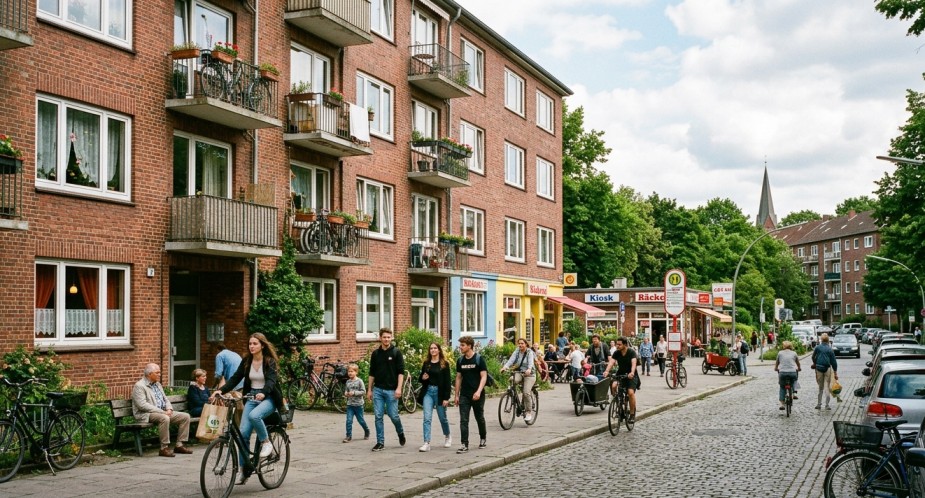
Affordable Hamburg neighbourhoods: where housing is still affordable in 2026
Hamburg is considered one of Germany's most expensive cities, yet even in 2026 there are still neighbourhoods where housing remains affordable. Away from the premium locations, the Hanseatic city offers interesting alternatives for tenants and buyers.
Many Hamburg neighbourhoods are currently undergoing change and developing into attractive residential areas with moderate prices. For anyone wanting to learn more about the German property market, our Property in Germany 2026: The complete guide to living and investing offers comprehensive insights.
Affordable Hamburg neighbourhoods at a glance
Rental prices in Hamburg vary considerably between individual neighbourhoods. While Blankenese or HafenCity command top prices, other districts remain significantly more affordable.
The eastern and southern neighbourhoods in particular still offer moderate rents. Here you'll find both established residential areas and up-and-coming districts with development potential.
The most affordable Hamburg neighbourhoods in 2026:
- Wilhelmsburg: Average €9-12/m² cold rent
- Billstedt: €8-11/m² cold rent
- Horn: €9-12/m² cold rent
- Jenfeld: €8-10/m² cold rent
- Neugraben-Fischbek: €10-13/m² cold rent
- Harburg: €9-13/m² cold rent
Wilhelmsburg: Hamburg's largest Elbe island
Wilhelmsburg has changed considerably in recent years. Europe's largest river island offers affordable housing while also boasting good links to the city centre.
The neighbourhood is benefiting from extensive renovation work and new housing projects. The S-Bahn connection gets you into the centre in just 15 minutes.
Families in particular appreciate the many green spaces and relaxed atmosphere. Prices remain well below the Hamburg average, while quality of life continues to rise.
Billstedt: Multicultural neighbourhood in the east
Billstedt is one of Hamburg's most affordable neighbourhoods and offers a lively, multicultural atmosphere. The neighbourhood is well connected to the public transport network.
The U2 underground line connects Billstedt directly with the city centre. Shopping options are plentiful, with the Billstedt-Center offering a wide range of shops in particular.
Many young families and students are discovering the neighbourhood as an affordable alternative. Its proximity to recreational areas such as Öjendorfer Park makes Billstedt even more appealing.
Horn: A green neighbourhood with tradition
Horn combines city living with plenty of greenery while offering moderate rental prices. The neighbourhood is conveniently located between the city centre and the eastern suburbs.
Horner Park and the proximity to the Außenalster ensure a high quality of life. At the same time, housing costs remain manageable, which makes Horn particularly appealing for families.
The good S-Bahn connections provide quick links in all directions. Local shops and restaurants define the neighbourhood, creating a village-like atmosphere.
Up-and-coming affordable neighbourhoods in Hamburg
Some Hamburg neighbourhoods are undergoing change and still offer affordable prices alongside rising living standards. These districts could prove to be worthwhile investments.
Bergedorf is developing into a popular location for commuters. The S-Bahn connection into the centre is excellent, while prices remain moderate.
Neighbourhoods with development potential:
- Bergedorf: Historic centre with S-Bahn access
- Rahlstedt: Quiet residential area with good infrastructure
- Farmsen-Berne: Family-friendly with green spaces
- Wandsbek: Central location with moderate prices
- Altona-Altstadt: Cultural centre in transition
Transport links in affordable neighbourhoods
Good transport links are crucial to the appeal of affordable neighbourhoods. Hamburg has a dense network of S-Bahn, U-Bahn and buses.
Most affordable neighbourhoods are well connected to the public transport network. The S-Bahn lines in particular serve even more remote areas efficiently.
For drivers, the outer neighbourhoods often offer better parking options than the city centre. The A1, A7 and A24 motorways are quickly accessible from many affordable districts.
Infrastructure and quality of life
Affordable neighbourhoods in Hamburg don't have to compromise on good infrastructure. Many districts offer schools, nurseries and shopping facilities nearby.
Medical care is available in almost all neighbourhoods. Supermarkets, pharmacies and doctors can also be found in the more affordable areas.
Leisure options vary depending on the neighbourhood. While some districts score points for green spaces, others offer cultural facilities or sports grounds.
Tips for finding a home in affordable neighbourhoods
Finding a home in Hamburg requires patience and strategy. Even in affordable neighbourhoods, the market is competitive, but your chances are better than in premium locations.
Early applications and complete documentation are essential. Viewing appointments should be attended punctually, as competition is fierce.
Alternative search channels such as local newspapers or notices can prove successful. Word of mouth and personal contacts often open doors too.
Successful search strategies:
- Check online portals daily
- Register your search requirements with letting agents
- Keep an eye on local newspapers and notices
- Activate your network and use your contacts
- Offer flexible move-in dates
- Have guarantors or deposit insurance ready
Future outlook for affordable Hamburg neighbourhoods
The outlook for affordable neighbourhoods in Hamburg is positive. Many districts are benefiting from investment in infrastructure and public transport.
Urban development projects such as the IBA Hamburg have already improved Wilhelmsburg and other neighbourhoods. Further projects are planned and will boost their appeal.
Nevertheless, these areas are likely to remain more affordable than the established premium locations. For tenants and buyers, they offer good long-term prospects at moderate cost.
Hamburg's property market remains dynamic, and affordable neighbourhoods could prove to be a smart choice. Those who invest or move in early will benefit from positive development while prices are still moderate.
Also read: Property in Germany 2026: The complete guide to living and investing
Laura Schneider