Deutschland
Rent Prices in Mitte Berlin 2026: Costs, Trends & Tips
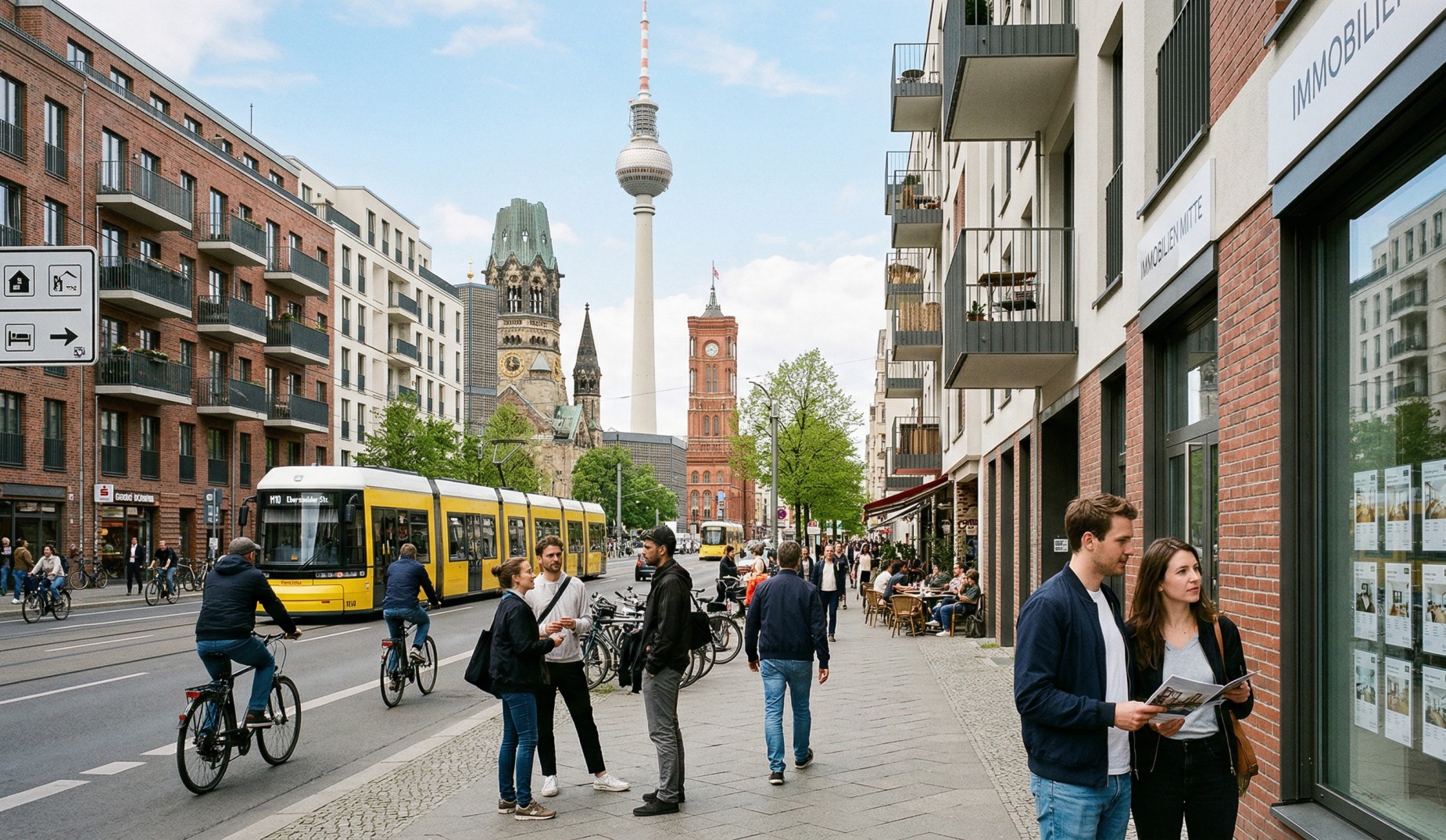
Berlin-Mitte is synonymous with urban life at the heart of the German capital. As Berlin's most central district, Mitte combines history, culture and modernity in a unique way. But this appeal comes at a price – rental costs remain among the highest in the city, even in 2026.
Demand for housing in Mitte significantly exceeds supply. New arrivals from Germany and abroad, professionals, students and business travellers all compete for the sought-after flats. This market dynamic has a lasting impact on rent price trends.
Current rental prices in Berlin-Mitte 2026
Rental prices in Berlin-Mitte vary considerably depending on location, fittings and the condition of the building. On average, tenants must expect noticeably higher costs than in other Berlin districts – and there's a large gap between existing rents and asking rents for new lettings.
For new lettings, asking rents for flats in Mitte generally fall in the region of around 18 to 25 euros per square metre, cold rent. Particularly sought-after locations such as the area around Hackescher Markt or near the Brandenburg Gate can command even higher prices; furnished temporary flats are priced higher still.
Typical asking rents by flat size (indicative figures, cold rent):
- 1-room flat (30–40 sqm): around 800 to 1,200 euros
- 2-room flat (50–65 sqm): around 1,200 to 1,800 euros
- 3-room flat (70–85 sqm): around 1,600 to 2,400 euros
- 4-room flat (90–110 sqm): around 2,200 to 3,200 euros
Period charm and new-build flats with upmarket fittings often reach the upper price segments. Renovated period buildings with stucco and high ceilings are especially sought after. Existing tenants with older contracts, by contrast, often pay only a fraction of these figures – the Berlin rent index shows significantly lower local comparative rents for Mitte.
Price trends and market developments
Rental price trends in Berlin-Mitte show a continuous upward trajectory. Since 2020, asking rents have risen by a clear double-digit percentage, though growth has slowed somewhat of late.
The Berlin rent cap and its repeal by the Federal Constitutional Court in 2021 temporarily had a major impact on the market. Following the legal clarification, asking rents rose sharply again. Since then, the nationwide rent brake has once again applied in Berlin, and it has since been extended until the end of 2029.
Factors driving price trends:
- High demand from newcomers and international skilled workers
- Limited supply due to heritage protection and few available building plots
- Past conversion of rental flats into owner-occupied flats
- Refurbishment and modernisation works
- Rising construction and financing costs, which are slowing new building
Experts expect asking rents to keep rising in the coming years too, albeit at a more moderate pace than during the boom years.
Popular neighbourhoods and their rental prices
Berlin-Mitte is divided into various neighbourhoods (Kieze) with different characteristics and price levels. Each area has its own atmosphere and attracts different groups of tenants. Alongside the historic centre, the district also includes Tiergarten, Moabit, Wedding and Gesundbrunnen.
The government district and the area around the Brandenburg Gate are among the most expensive locations. Here, grand new-builds and renovated period buildings with premium fittings dominate.
Hackescher Markt and Oranienburger Straße offer urban flair with numerous restaurants and bars. Rental prices sit in the upper segment, particularly for flats with a balcony or terrace.
Rental price ranking by neighbourhood (asking rents, indicative €/sqm cold rent):
- Brandenburg Gate/Pariser Platz: top segment, sometimes over 25 euros
- Hackescher Markt/Scheunenviertel: 20 to 26 euros
- Museum Island/Unter den Linden: 19 to 25 euros
- Rosenthaler Platz/Torstraße: 18 to 24 euros
- Alexanderplatz/Nikolaiviertel: 16 to 22 euros
- Moabit, Wedding and Gesundbrunnen: 13 to 19 euros
Proximity to U-Bahn and S-Bahn stations and links to other parts of the city have a considerable influence on prices. Anyone looking at Mitte as a district will still find the most affordable options in Wedding and Moabit.
Service charges and hidden costs
When looking for a flat in Berlin-Mitte, tenants shouldn't just consider the cold rent. Service charges can add considerably to monthly housing costs – especially since energy prices have risen.
On average, running costs including heating come to around 3 to 4.50 euros per square metre per month. Older buildings often have higher heating costs, while new-builds can score points thanks to better insulation.
Typical service charge items:
- Heating and hot water: the largest item, depending on energy source and insulation
- Building management, caretaker and cleaning
- Water and wastewater
- Waste disposal and street cleaning
- Property tax and building insurance
- Communal electricity, lift and garden maintenance
Many landlords also require a deposit of up to three months' net cold rent – more than that is not legally permitted. For expensive flats, this can quickly add up to several thousand euros.
Flat-hunting in Mitte: strategies and tips
Flat-hunting in Berlin-Mitte requires patience, speed and the right strategy. Competition is fierce, and attractive properties are often let within hours.
A professional application portfolio is essential. It should include all relevant documents – proof of income, a Schufa credit report, a certificate confirming no outstanding rent debts – and be presented in a visually appealing way. Many landlords already decide whether to offer a viewing based on the application alone.
Successful search strategies:
- Use several portals at once (ImmoScout24, WG-Gesucht, Kleinanzeigen)
- Set up search agents for automatic notifications
- Make use of social networks and personal contacts
- Get in touch with letting agents who specialise in Mitte
- Enquire directly with state-owned housing companies and cooperatives
- Keep an eye out for notices in supermarkets and cafés
Speed is crucial. Whoever submits a complete application first often has the best chances. For more tips, see our article on the Berlin neighbourhood guide to the best areas to live.
Tenancy law and consumer protection
Tenants in Berlin-Mitte should know their rights and protect themselves against excessive demands. The rent brake also applies in this district, though it's often circumvented or not applied correctly.
For new lettings, rent may not exceed the local comparative rent set out in the rent index by more than 10 per cent. Exceptions apply to extensively modernised flats, new-builds from October 2014 onwards, and furnished short-term lets. Tenants can challenge excessive rent and reclaim amounts overpaid.
Key tenant rights:
- Right to inspect the Berlin rent index
- Protection against arbitrary rent increases (rent increase cap in Berlin of 15 per cent over three years)
- Right to a proper service charge statement
- Warranty rights in the case of defects in the property
- Protection against termination under the German Civil Code (BGB)
If anything is unclear, tenants should contact the Berlin Tenants' Association (Berliner Mieterverein) or the Mietergemeinschaft, or seek legal advice. Many problems can be avoided by finding out the facts early on.
Alternatives and money-saving tips for Berlin-Mitte
If you'd like to live in Berlin-Mitte but are put off by the high rents, there are various strategies you can use. Rooms in shared flats are often cheaper than individual flats and offer social contact too – find out more in our guide to shared flats in Berlin.
Furnished flats are more expensive, but they save on moving and furnishing costs. For professionals on a temporary basis or students, this can be a sensible option.
Saving money on your flat search:
- A room in a shared flat instead of your own place
- Favour the outer parts of the district such as Wedding or Moabit
- Consider older, unrenovated properties
- Offer flexible move-in dates
- Check your eligibility for a housing entitlement certificate (WBS) – even Mitte has subsidised flats
- Smaller flats with clever use of space
Neighbouring districts such as Prenzlauer Berg or Kreuzberg often offer similar advantages at somewhat lower prices. Good transport links often make the difference negligible. For districts that are considerably cheaper still, see our overview of Berlin's most affordable districts.
Conclusion: living in Berlin-Mitte
Despite high rents, Berlin-Mitte remains one of Germany's most sought-after places to live. The central location, cultural offerings and proximity to workplaces make the cost worthwhile for many tenants.
Anyone choosing to live in Mitte should expect asking rents of around 18 to 25 euros per square metre for new lettings. Thorough preparation and professional application documents are essential for success.
Frequently Asked Questions about rental prices in Berlin-Mitte
How high are rents in Berlin-Mitte in 2026?
For new lettings, asking rents are usually between 18 and 25 euros per square metre, cold rent, and higher in top locations. Existing rents and the comparative rents in the rent index are significantly lower.
Does the rent brake apply in Berlin-Mitte?
Yes, across the whole of Berlin. For new lettings, rent may not exceed the local comparative rent by more than 10 per cent – with exceptions for new-builds from 2014 onwards and extensively modernised flats.
Where is it cheapest within the district of Mitte?
Asking rents are lowest in Wedding, Gesundbrunnen and parts of Moabit, while still offering good links to the city centre.
How much can the deposit be?
A maximum of three months' net cold rent. It may be paid in three monthly instalments and must be kept separate from the landlord's own assets.
How can I find a flat in Mitte quickly?
With complete application documents, search agents set up on several portals, direct enquiries to housing companies and cooperatives, and flexibility regarding move-in date and location.
For more information on other Berlin districts and comprehensive tips on flat-hunting, see our guide Living in Berlin – rental prices, districts and flat-hunting 2026. More city guides can be found on our Germany page.
Also worth reading: Living in Berlin – rental prices, districts and flat-hunting 2026
Sophie Fischer