Deutschland
Berlin District Guide 2026: The Best Areas to Live In
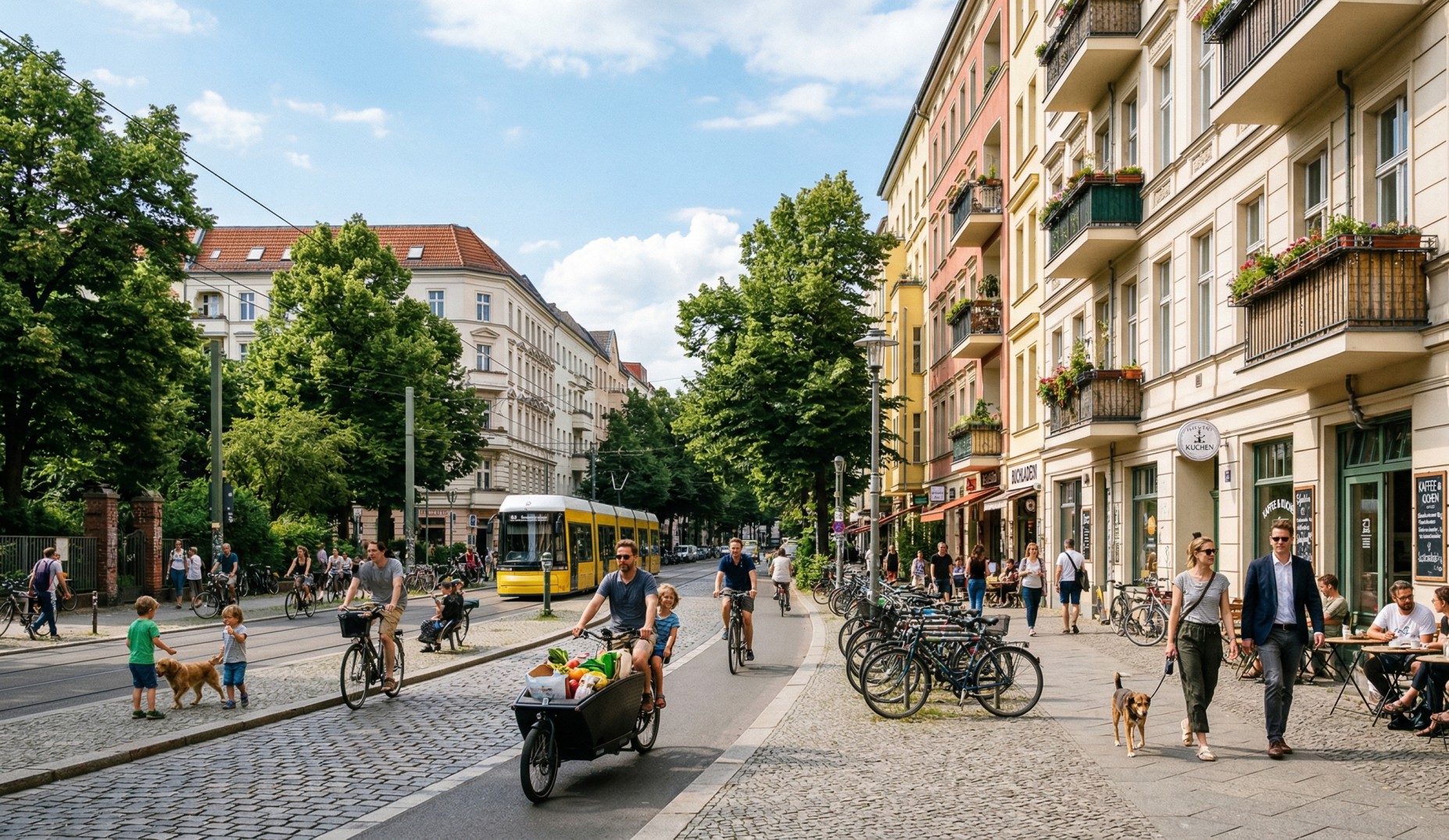
Berlin offers a unique variety of districts, each with its own character and distinctive features. Choosing the right neighbourhood is crucial for your quality of life in the capital – and it largely determines how much rent you'll pay in 2026.
Every Berlin district has its own atmosphere, infrastructure and price level. From the historic streets of Charlottenburg to the creative neighbourhoods of Kreuzberg, the choice is vast and varied. This district guide introduces the most popular neighbourhoods and helps you find your bearings.
Mitte: The historic heart of Berlin
Mitte combines history, culture and modern city living like no other district. This is where you'll find the main sights, Museum Island and Germany's political centre.
Rents in Mitte are among the highest in the city, particularly for new lets and furnished properties. The excellent transport links and central location justify the prices for many residents. You'll find details in our article on rent prices in Berlin-Mitte 2026.
Advantages of Mitte:
- Central location with short distances
- Excellent public transport links
- Rich cultural offering
- Historic architecture alongside modern new builds
- Diverse shopping options
The infrastructure in Mitte is excellently developed. Schools, doctors, shops and restaurants are all within walking distance. Living is quieter than around Alexanderplatz in the Moabit area or on the edge towards Wedding.
Prenzlauer Berg: Family life in a trendy neighbourhood
Prenzlauer Berg has evolved from an alternative scene district into a popular family neighbourhood. The mix of period charm and modern family life makes this area particularly appealing.
Rents are high, but there's a good supply of family-friendly flats. Renovated period flats with high ceilings and balconies are especially sought after. Our overview of rent prices in Prenzlauer Berg 2026 provides the latest figures.
Characteristics of Prenzlauer Berg:
- Many young families and children
- Good provision of nurseries and schools
- Lively street life
- Numerous parks and playgrounds, including nearby Mauerpark and Volkspark Friedrichshain
- Cafés, weekly markets and restaurants on almost every corner
Kollwitzplatz, Helmholtzplatz and Kastanienallee are the bustling hubs of the district, where community life takes place.
Friedrichshain: Creativity meets history
Friedrichshain combines creative energy with a strong sense of history. The district is particularly popular with young adults and students.
Rents are somewhat more moderate than in Mitte or Prenzlauer Berg, but have risen steadily in recent years. The proximity to the city centre and vibrant nightlife make Friedrichshain attractive.
Simon-Dach-Straße, Boxhagener Platz and Warschauer Straße are the district's main arteries, home to a concentration of bars, clubs and alternative cultural venues. Many new buildings have sprung up around the East Side Gallery and Ostkreuz in recent years.
Kreuzberg: Multicultural flair and alternative culture
Kreuzberg is synonymous with Berlin's alternative scene and multicultural diversity. The district is divided into various neighbourhoods, each with a different character.
SO36 is the traditionally Turkish-influenced part around Kottbusser Tor and Oranienstraße, while Kreuzberg 61 around the Bergmannkiez is more middle-class and quieter. Rents vary accordingly, but are well above the Berlin average everywhere.
Distinctive features of Kreuzberg:
- Multicultural dining scene
- Vibrant art scene
- Historical significance
- Diverse housing types
- Strong sense of community
Görlitzer Park, Viktoriapark and the banks of the Spree offer recreation right in the middle of the city. Transport links are excellent, thanks to several underground lines.
Charlottenburg: Elegance and tradition
Charlottenburg stands for elegance, tradition and upmarket living. The district offers a mix of magnificent period buildings and modern housing developments.
Rents are high, but the range of properties is diverse. Everything is available, from small flats to generous family homes, and turnover is lower than in the trendier districts.
Kurfürstendamm is the main shopping street and the heart of the district, home to luxury shops, theatres and renowned restaurants. Around Charlottenburg Palace and Lietzensee, living is green and peaceful.
Neukölln: An up-and-coming trendy district
Neukölln has changed significantly in recent years. Once considered a problem area, it has become a fashionable, trendy district.
Rents are rising steadily, but are still more affordable in the south of the district than in the central areas. The northern part, around Weserstraße and the Reuterkiez, is particularly sought after. You can read more in our article on flats in Berlin-Neukölln.
Developments in Neukölln:
- Strong gentrification in the north
- Growing dining and cultural scene
- Improved infrastructure
- Growing appeal for young families
- Still-affordable rents in Britz, Buckow and Gropiusstadt
Tempelhofer Feld offers unique leisure opportunities right on your doorstep. The former airport site is now Berlin's largest inner-city open space.
Wedding: Authentic Berlin in transition
Wedding was long considered an insider tip for budget-conscious living in Berlin. The area is undergoing change and becoming increasingly attractive.
Rents are still moderate but are rising noticeably. The authenticity and multicultural flair make Wedding particularly appealing. If you need to watch your budget, our overview of Berlin's most affordable districts offers further alternatives.
Müllerstraße is the main shopping street and clearly reflects the district's transformation, with new cafés and shops establishing themselves alongside traditional stores. Around Volkspark Rehberge and Plötzensee, living is surprisingly green.
Tips for choosing a district
Several factors should be considered when choosing the right district. Your personal needs and circumstances are key.
Important decision criteria:
- Budget and rent levels
- Transport links to your workplace
- Family-friendliness and school provision
- Cultural offerings and leisure opportunities
- Shopping options and infrastructure
- Safety and quality of living
Viewing a property at different times of day gives you a realistic impression of the neighbourhood. Talking to residents can provide valuable insights. Also check whether an area is designated as a Milieuschutzgebiet (social preservation area) – this tells you a lot about the dynamics of the local housing market.
For a comprehensive overview of all aspects of living in Berlin, including current rent prices and search strategies, visit our detailed guide: Living in Berlin – Rent prices, districts and finding a flat in 2026.
Choosing the right district is an important decision that significantly shapes your life in Berlin. Every district has its own advantages and offers a different lifestyle.
Frequently Asked Questions about Berlin's neighbourhoods
Which district in Berlin is best for families?
Prenzlauer Berg is considered the classic family neighbourhood, with good nursery provision and plenty of playgrounds. Charlottenburg, the Schillerkiez in Neukölln and the green south of Berlin are also popular with families.
Where is living in Berlin still affordable?
In 2026, you'll find comparatively moderate rents mainly in Wedding, the south of Neukölln, and in outer districts such as Spandau, Marzahn-Hellersdorf or Reinickendorf.
Which Berlin districts are the most expensive?
Mitte, Prenzlauer Berg, Kreuzberg and Charlottenburg are among the most expensive areas of the city for new lets, particularly for renovated period properties and new builds.
Which district suits young people and students?
Friedrichshain, Kreuzberg and northern Neukölln offer the liveliest nightlife and the highest concentration of bars, clubs and cultural venues – though demand for housing is high.
How do I find the right neighbourhood for me?
Visit your favourites at different times of day, check the transport links to your workplace, and compare rent levels with your budget. Talking to residents often provides the most honest insights.
Also read: Living in Berlin – Rent prices, districts and finding a flat in 2026 as well as further articles on our Germany page.
Jonas Wagner