Deutschland
Regional Cuisine in Germany: Culinary Variety from North to South
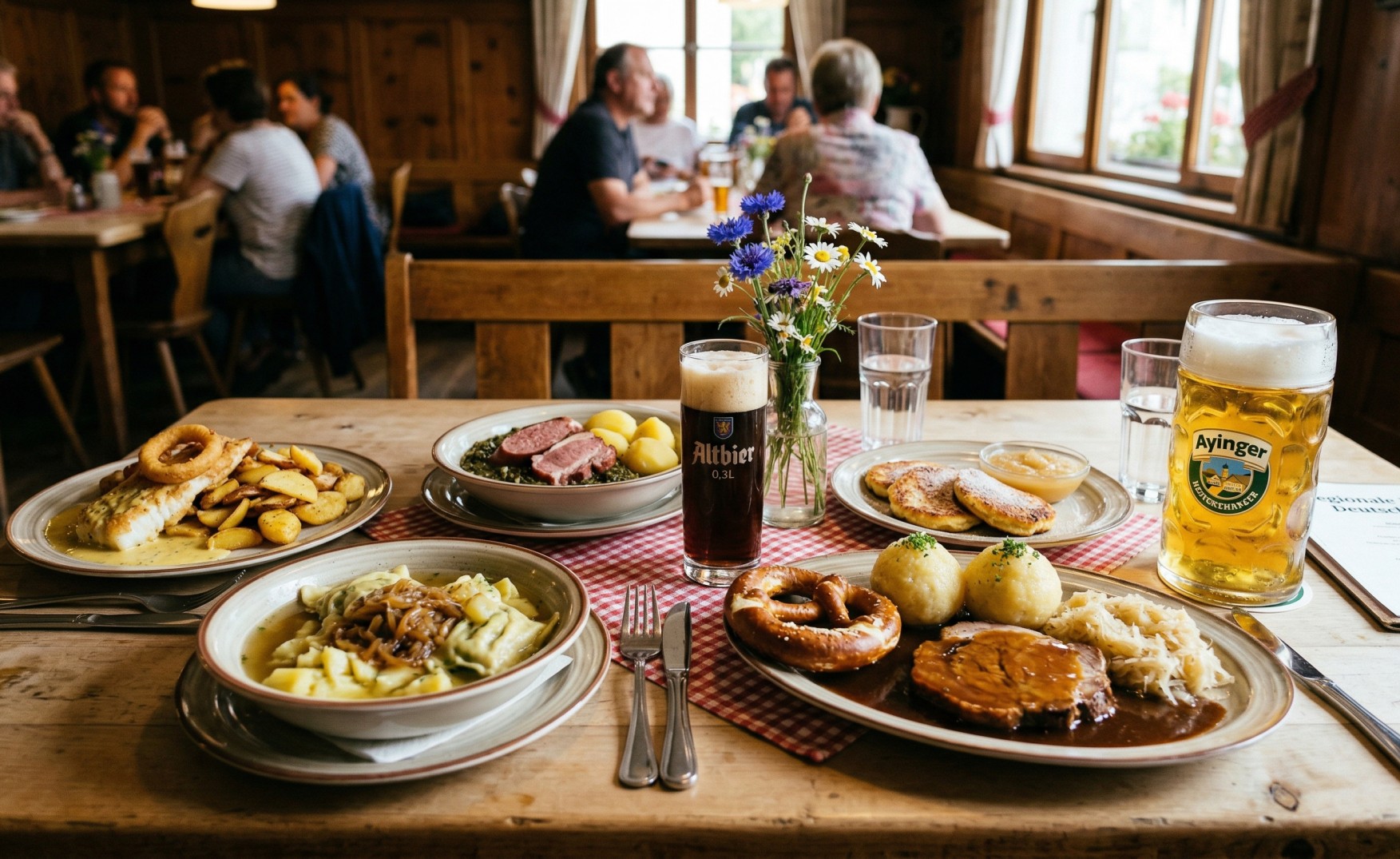
German cuisine is far more diverse than many people believe. Over the centuries, every region of Germany has developed its own culinary traditions, strongly shaped by geography, climate and historical influences.
From hearty north German fish dishes to rich Bavarian specialities - Germany's regional cuisine reflects the country's cultural diversity. This culinary journey through Germany shows just how varied and delicious local traditions can be.
North German cuisine: maritime delights and home cooking
North German cuisine is strongly shaped by its proximity to the North Sea and Baltic Sea. Fish traditionally takes centre stage in many dishes. The region between Hamburg and the Danish border offers down-to-earth yet refined cooking.
Typical north German specialities include Labskaus, a hearty stew made from potatoes, meat and beetroot, as well as fresh shrimp from the North Sea. Kale with Pinkel, a regional sausage speciality, is also one of the classics of north German cuisine.
You'll find the best restaurants in this region in our ultimate guide to the best restaurants in Germany, where we also feature restaurants specialising in maritime dishes.
Rhineland cuisine: between tradition and innovation
The Rhineland combines German traditions with international influences. Rhineland cuisine is known for its variety and its knack for giving traditional recipes a modern twist.
Himmel un Ääd (‘Heaven and Earth’), made from potatoes and apples with black pudding, is a regional classic. Equally famous are Halver Hahn (a rye roll with cheese) and Himmel un Ääd, both served in Köln's traditional brewhouses.
- Sauerbraten Rhineland style
- Potato pancakes with apple sauce
- Döppekuchen (layered potato bake)
- Rhineland Döppekuchen
- Flönz (black pudding) with onions
Bavarian cuisine: hearty specialities from the south
No other region represents German cuisine quite like Bavaria. Bavarian cooking is characterised by rich, hearty dishes that are perfect for a cosy get-together.
Weisswurst with sweet mustard and pretzels is a staple of the Bavarian breakfast. Roast pork with dumplings and sauerkraut, as well as pork knuckle, are further classics that you'll find in every traditional Bavarian inn.
The variety of Bavarian cuisine stretches from the Oberpfalz to Swabia, with each sub-region having developed its own specialities.
Swabian cuisine: Maultaschen and more
Swabian cuisine is famous for its frugality and creativity. True delicacies are conjured up here from simple ingredients. The Swabians have a real talent for making a little go a long way.
Maultaschen, affectionately known as ‘Herrgottsbscheißerle’, are Swabia's national dish. These filled pasta pockets are traditionally served in broth or fried in a pan. Spätzle, the Swabian version of egg noodles, is another regional speciality.
- Sour tripe
- Gaisburger Marsch
- Onion roast beef
- Flädlesuppe (pancake soup)
- Ofenschlupfer (bread pudding)
Saxon cuisine: hearty traditions from the east
Saxon cuisine combines German traditions with Bohemian and Silesian influences. This blend makes Saxony's regional cuisine especially interesting and varied.
Sauerbraten Saxon style is traditionally served with red cabbage and dumplings. The famous Eierschecke, a traditional Saxon cake, is also one of the region's culinary highlights.
Leipziger Allerlei, a vegetable dish made from peas, carrots and asparagus, shows off the more refined side of Saxon cuisine.
Westphalian cuisine: hearty fare from the Münsterland
Westphalia is known for its rich, down-to-earth cooking. Meat and sausage take centre stage in many traditional dishes here. Westphalian cuisine reflects the region's rural traditions.
Westphalian ham and pumpernickel are world-famous specialities of the region. Himmel un Ääd and Pfefferpotthast are also among the classic Westphalian dishes.
The combination of hearty meat dishes and dark bread makes Westphalian cuisine one of Germany's most distinctive regional cuisines.
Hessian cuisine: Apfelwein and Grüne Soße
Hessian cuisine is defined by its famous green sauce and traditional Apfelwein (apple wine). Frankfurt am Main is considered the culinary heart of the region, with an interesting mix of tradition and modernity.
Frankfurter Grüne Soße, made from seven herbs, is a classic traditionally served with boiled eggs and potatoes. Pork ribs with cabbage and the famous Frankfurter Kranz cake also belong to Hessian culinary tradition.
- Döppekuchen
- Weckewerk
- Bethmännchen
- Frankfurter sausages
- Handkäs mit Musik
Regional German cuisine today: tradition meets modernity
Modern German gastronomy combines traditional regional recipes with contemporary cooking techniques. Many top chefs are reinventing classic dishes, bringing Germany's regional cuisine into the modern age.
Slow food and regional ingredients are becoming ever more important. Restaurants are increasingly turning to local producers and seasonal cooking, which showcases the diversity of regional German cuisine even more.
This renaissance of regional cuisine makes Germany an exciting culinary destination. In our comprehensive restaurant guide, you'll find the best addresses for authentic regional cuisine across Germany.
Michael Schmidt