Deutschland
Wine Culture in Germany: Tradition and Enjoyment
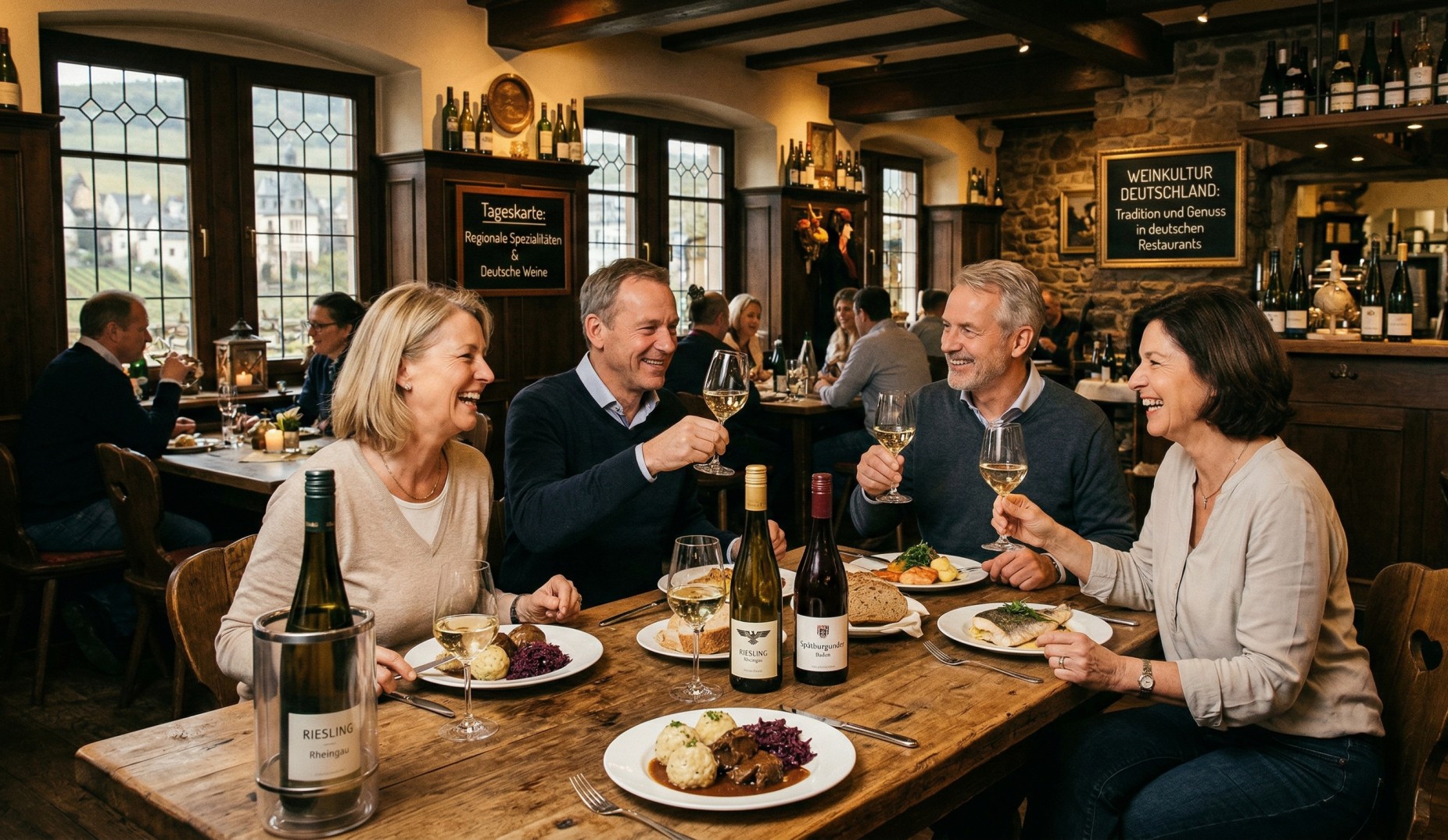
German wine culture is a fascinating interplay of tradition, innovation and culinary excellence. In the best restaurants in Deutschland, this centuries-old tradition is celebrated with modern interpretations and first-class service.
From the steep vineyards of the Mosel to the sun-drenched slopes of Baden-Württemberg stretches a wine landscape that delights gourmets and wine lovers alike. German restaurants have recognised this diversity and offer their guests authentic wine experiences.
History of German wine culture
Wine culture in Deutschland dates back to Roman times. Over 2,000 years ago, the Romans were already cultivating the first vines along the Rhine. This long tradition has developed and evolved over the centuries.
In the Middle Ages, it was mainly monasteries that drove winemaking forward. Monks perfected cultivation methods and developed techniques that are still used today. These historical roots are reflected in many traditional German restaurants.
Today, modern German restaurants combine this rich history with contemporary culinary approaches. They create unique experiences that harmoniously unite tradition and innovation.
German wine regions and their specialities
Deutschland has 13 official wine-growing regions, each with its own characteristic terroir. These regional differences make German wine culture so varied and interesting for restaurants and their guests.
The most important wine regions include:
- Mosel: Famous for elegant Rieslings with a mineral note
- Rheingau: The traditional home of German Riesling
- Pfalz: Deutschland’s second-largest wine-growing region with a wide range of varieties
- Baden: The warmest wine region, with excellent Pinot Noirs
- Württemberg: Known for red wines and Trollinger
- Rheinhessen: Deutschland’s largest wine-growing region
Top-class German restaurants work closely with winemakers from these regions. They offer their guests authentic taste experiences and convey the special qualities of each region.
Riesling: The king of German wines
Riesling is regarded as Deutschland’s flagship grape variety and holds a special place in the country’s wine culture. This noble grape thrives particularly well in Germany’s cooler climate zones, where it develops its characteristic acidity.
German restaurants value Riesling for its versatility. From bone-dry to lusciously sweet, this grape variety offers an impressive range of flavour profiles. Top restaurants make the most of this diversity to create perfect food-pairing combinations.
The different styles of Riesling include:
- Kabinett: Light and fresh, ideal as an aperitif
- Spätlese: Fuller-bodied with more sweetness
- Auslese: Concentrated and complex
- Eiswein: Intense sweetness with brilliant acidity
Red wines from Deutschland: underrated quality
While Deutschland is primarily known for white wines, German winemakers also produce excellent red wines. These have gained considerably in quality over recent decades and are increasingly recognised in upmarket restaurants.
Spätburgunder (Pinot Noir) leads the way among German red wines. World-class wines are produced particularly in Baden and the Ahr. German restaurants proudly present these wines, showcasing their versatility when paired with food.
Other important German red wine varieties include Dornfelder, Portugieser and Trollinger. Each variety brings its own characteristics and enriches the wine lists of German restaurants.
Wine service in German restaurants
Professional wine service is a hallmark of top-class German restaurants. Well-trained sommeliers know how to guide guests through the complex world of German wines and recommend perfect pairings.
Modern German restaurants place great importance on:
- Expert advice: Sommeliers with in-depth knowledge of German wines
- Temperature management: Optimal serving temperatures for every type of wine
- Glassware: The right glasses for different wine styles
- Decanting: Professional handling of older red wines
- Food pairing: Harmonious combinations of food and wine
Many top restaurants also offer wine tastings. These events allow guests to discover the diversity of German wines and deepen their knowledge.
Modern wine trends in German restaurants
The German wine scene continues to evolve. Innovative winemakers are experimenting with new techniques and grape varieties, while restaurants pick up on these developments and present them to their guests.
Current trends include natural winemaking, orange wines and the rediscovery of old grape varieties. German restaurants that focus on innovation integrate these trends into their wine concepts, creating unique taste experiences.
Sustainability is playing an increasingly important role. Many German restaurants favour wines from winemakers who practise organic or biodynamic cultivation methods. This philosophy appeals to environmentally conscious guests and underlines the responsibility of the hospitality industry.
Regional wine cuisine: perfect harmony
Combining regional cuisine with local wines is a cornerstone of German restaurant culture. This philosophy creates authentic taste experiences while supporting local producers.
Examples of successful regional pairings:
- Rhenish cuisine with Riesling: Sauerbraten pairs perfectly with fruity Rieslings
- Baden cuisine with Spätburgunder: Game and robust red wines form ideal partnerships
- Württemberg cuisine with Trollinger: Hearty dishes and fresh red wines
- Pfalz cuisine with Grauburgunder: Mediterranean influences meet elegant white wines
These regional pairings create identity and authenticity. Guests thereby experience not just a meal, but a cultural journey through Deutschland’s wine landscapes.
The future of German wine culture in restaurants
The future of German wine culture in restaurants looks promising. Young winemakers are bringing in fresh ideas, while established restaurants continue to develop their wine concepts.
Digitalisation is also changing wine service. QR-code wine lists with detailed information, apps for wine recommendations and virtual cellar tours enrich the guest experience. German restaurants are using these technologies to make their wine culture even more accessible.
The growing appreciation of German wines on the international stage is boosting the confidence of the domestic hospitality industry. German restaurants can proudly present their wine culture and convince international guests of the quality of German wines.
Visit the best restaurants in Deutschland and discover the fascinating diversity of German wine culture for yourself. Let experienced sommeliers guide you through the world of German wines and enjoy unforgettable culinary moments.
Also read: Best Restaurants in Deutschland – The Ultimate Guide
Stefan Müller