Deutschland
How Digital Presence Is Changing City Life
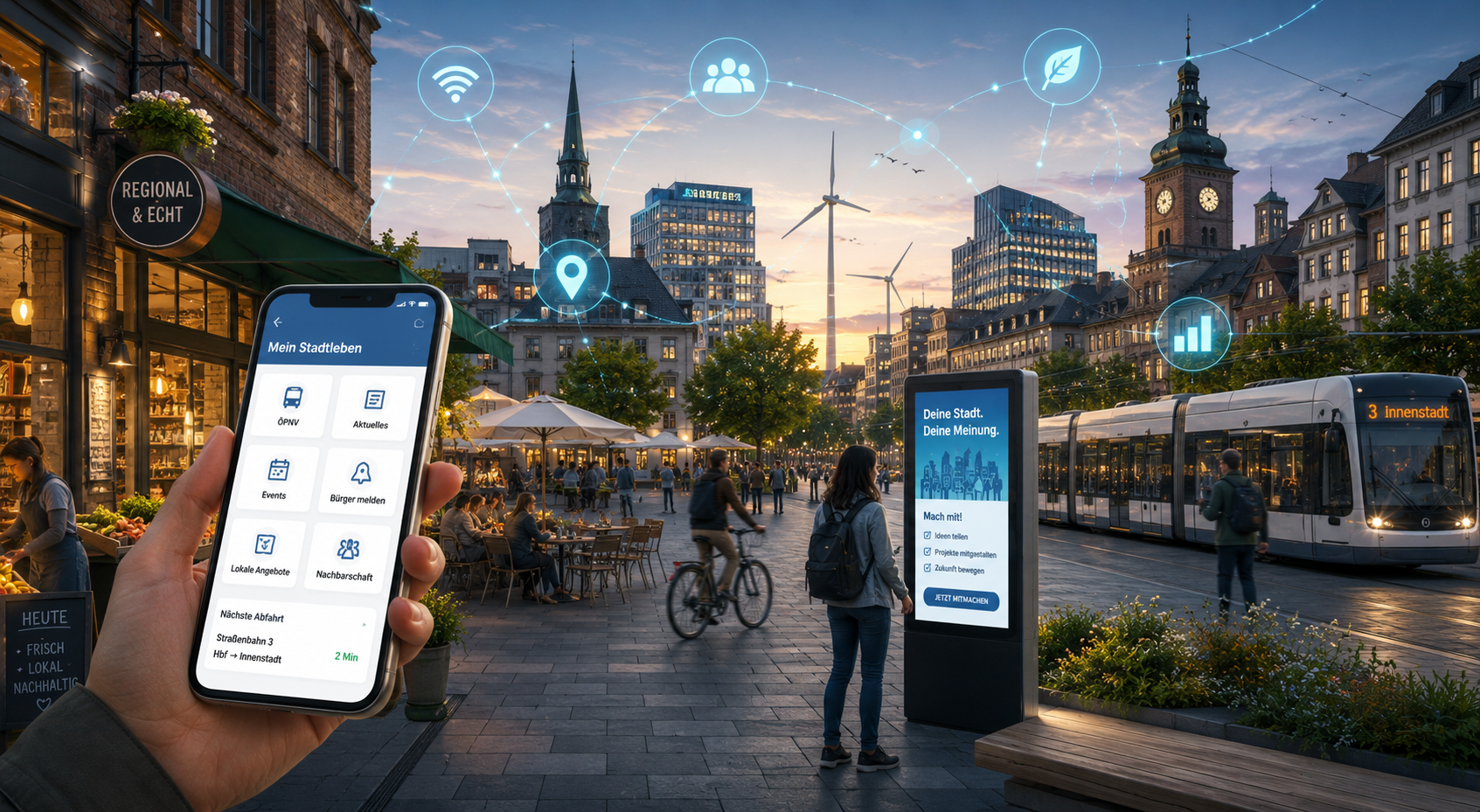
In 2026, German cities are undergoing profound change across many areas of life. Local shops, cultural institutions and local authorities are continuously expanding their online presence, whilst residents are increasingly taking an active part in urban life and connecting with one another through apps, digital platforms and social networks. This shift affects not only major cities such as Hamburg or München, but also medium-sized towns looking to bring their neighbourhoods to life digitally. Between smart infrastructure, which is noticeably changing everyday life in the neighbourhoods, connected retail, which links local shops with digital platforms, and digital civic participation, which opens up new opportunities for people to have their say, a new understanding is emerging of what urban life in German cities could mean in future. This guide offers practical insights and everyday examples from various city neighbourhoods to make the concrete effects of this development tangible.
From smartphone to city neighbourhood: digital connectivity in everyday life
Mobile devices as the key to urban participation
A large part of urban communication now takes place via mobile devices. Whether it’s checking timetables, booking a table at your favourite restaurant, or signing up for a sports course at the community centre – the smartphone has become the most important tool for urban everyday life. Especially in densely populated neighbourhoods, where amenities are close together, digital connectivity makes access to services significantly easier. Anyone wanting to discover current smartphone deals will find suitable tariffs and devices that make it easier to get started in this connected city world. Affordable mobile solutions open up access to neighbourhood networks and local information services, particularly for young families and older people.
Local trade between the shop door and the online shop window
Retailers in German city centres face the challenge of combining physical presence with digital visibility. A look at the industrial past and modern transformation of cities such as Ludwigshafen shows just how much shopping districts change over the decades. Where footfall alone used to determine turnover, review platforms, local online marketplaces and social media presences now carry increasing weight. Owner-run bookshops present new releases via Instagram Stories, bakeries offer pre-orders through apps, and weekly markets share seasonal offers via Telegram groups. This hybrid approach strengthens the bond between customers and businesses and gives small shops the chance to hold their own against large platforms.
Staying authentic remains the biggest challenge. Customers value personal advice and local atmosphere. An overloaded online presence without genuine added value quickly feels interchangeable and loses credibility. Successful business owners therefore rely on a well-considered mix of short video glimpses into daily working life, honest product presentations, and regular mentions of local events in the neighbourhood that strengthen the sense of community.
When local government and citizens grow together digitally
Strengthening civic participation through digital platforms
Local authorities across Germany are trialling new digital formats for civic participation. Citizen apps, online surveys and virtual neighbourhood conferences aim to specifically remove the barriers that have so far kept many people from actively participating in local planning processes and voicing their concerns. A concrete example is the city of Darmstadt, which has been running a digital reporting system for several years, allowing citizens to easily report potholes, faulty street lamps or dirty playgrounds, so that these reports are forwarded directly to the relevant department. Such digital tools significantly shorten the local authority’s response times whilst also creating a transparency that can noticeably strengthen citizens’ trust in local decision-making processes.
Reaching all sections of the population requires more than just an app. Accompanying information events held locally in neighbourhood centres, enabling direct exchange with citizens, as well as multilingual interfaces that reduce language barriers, and accessible access options that also include people with disabilities, are essential for genuinely inclusive participation. Local authorities that consider these aspects early on achieve significantly higher participation rates. The following criteria, which have proven their worth across numerous local participation projects, have turned out to be particularly effective when it comes to noticeably increasing participation rates and genuinely reaching as many sections of the population as possible:
1. Easy access without cumbersome registration
2. Clear feedback within a few days of a report or suggestion
3. Visible implementation of results, for example through public status reports
4. Involvement of local clubs and initiatives as multipliers
5. Regular evaluation and adjustment of the platform based on usage data
Digital presence as a location factor for neighbourhoods
The appeal of a city neighbourhood has long been about more than just rents, green spaces or public transport links. A neighbourhood’s digital visibility also influences decisions to move there, business registrations and tourist visitor numbers. Neighbourhoods that have a presence on platforms such as Google Maps with up-to-date photos, descriptions and reviews attract more attention than those that remain hard to find online. Anyone interested in the best pubs in Hamburg will first browse online reviews and map listings before ever setting foot in the neighbourhood.
When assessing digital offerings in an urban context, criteria such as tariff comparability and transparent terms of use play a central role. The Blau brand can also be measured and assessed against exactly these criteria. Ultimately, it is worth carefully comparing the various offers available on the market against these features and weighing up their respective strengths and weaknesses before making an informed decision that genuinely meets your own requirements and expectations in everyday digital life.
City marketing departments are responding to this trend by carefully maintaining their own neighbourhood profiles and actively encouraging local players such as shops, clubs and cultural institutions to keep their digital entries up to date at all times. A digital neighbourhood profile works like a shop window that’s open round the clock. This isn’t just about tourism, but also about residents identifying with their neighbourhood. When a favourite café, sports club and local library are visible online and linked to one another, local cohesion is reflected digitally too.
Anyone wanting to delve deeper into the topic will find further well-founded background information and strategies in a detailed guide on the importance of digital presence. Among other things, it covers aspects such as search engine optimisation for local players, managing review profiles and building consistent brand communication.
Where digital city life is heading
The connection between physical and digital space will continue to grow in importance over the coming years. In several German pilot projects, sensors are already recording air quality and traffic flow in public spaces and providing the data in real time. At the same time, demands regarding data protection, accessibility and a fair distribution of digital resources are growing, with particular focus increasingly placed on how all sections of the population can benefit equally from digitalisation. Poorly served neighbourhoods risk being left behind digitally if no one takes targeted countermeasures.
What remains crucial is that any technology used always serves the common good of the urban population and doesn’t become an end in itself that misses people’s actual needs. Successful digital urban development involves citizens, uses open data and strengthens dialogue between local government, business and civil society. Experience shows that the best results emerge where analogue meeting places such as neighbourhood centres or public squares and digital channels sensibly complement one another, rather than replacing each other. This way, city life stays vibrant, open to everyone and adaptable – well beyond 2026 too.
Frequently asked questions

Max Schmidt
Lokaler Experte