Deutschland
Flats in Berlin Neukölln: Rents, Kieze & Flat Hunting 2026
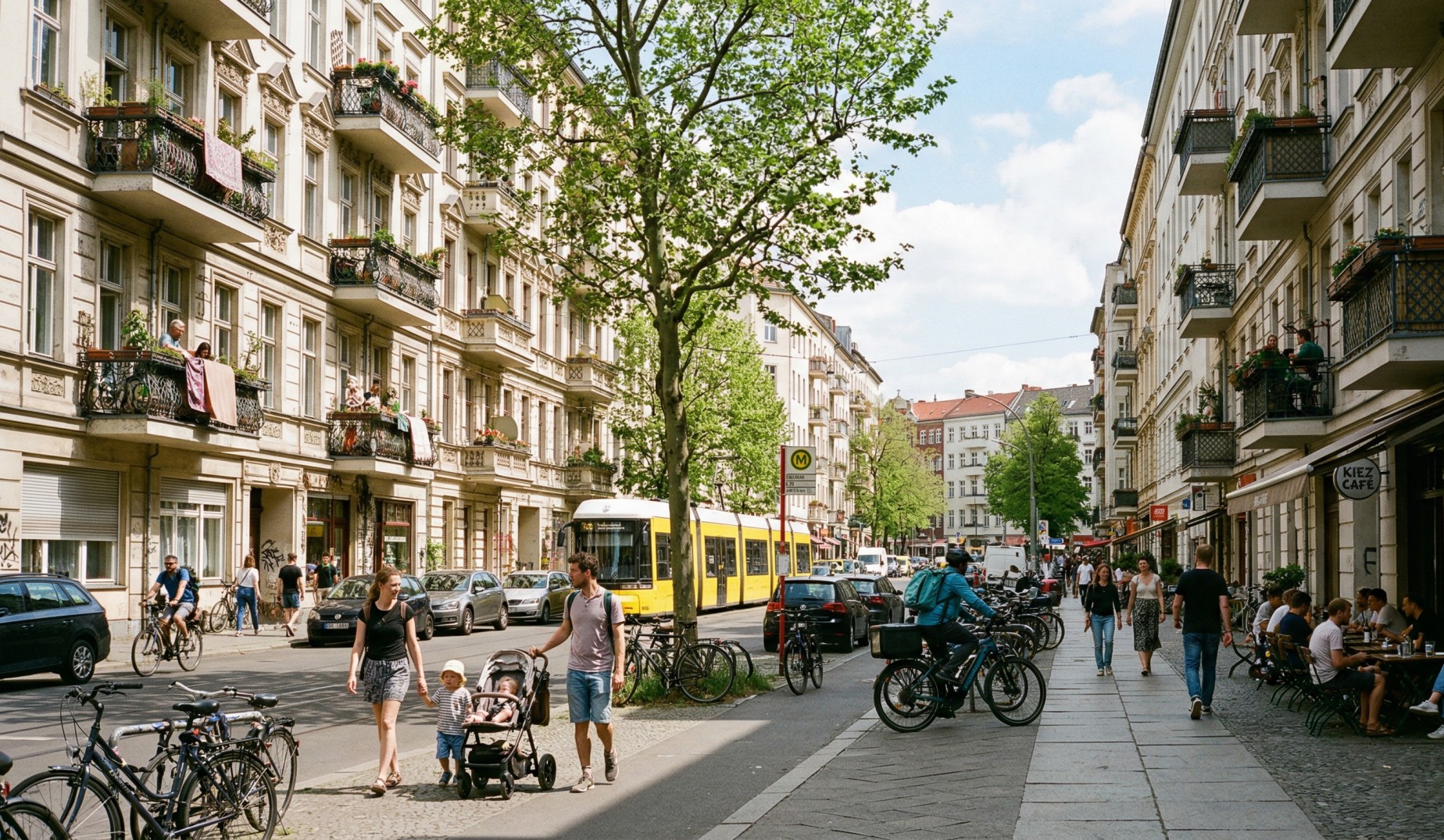
Neukölln is regarded as one of Berlin's most diverse and dynamic districts. Once notorious as a problem area, the district has developed into one of the capital's most sought-after residential areas. The blend of multicultural flair, a vibrant arts scene and, by Berlin standards, still moderate existing rents makes Neukölln particularly attractive to young people and creatives.
The district stretches from the border with Kreuzberg down to Buckow and Rudow in the south. This geographical diversity is also reflected in the varying residential areas and rent prices. While the northern neighbourhoods around Hermannplatz are already heavily gentrified, you'll still find comparatively affordable flats in the south.
To search successfully for a flat in Neukölln, it's important to know the different neighbourhoods and their particular characteristics. Our comprehensive guide Living in Berlin – Rents, Districts and Flat-Hunting 2026 offers you a detailed overview of all Berlin districts.
Current rent prices for flats in Berlin-Neukölln 2026
Rent prices in Neukölln vary considerably depending on location, year of construction and the flat's fittings. The key distinction here is between existing rents, which are often still significantly lower, and asking rents for new lettings, which in 2026 sit in double figures per square metre across much of the district. This range illustrates just how different the individual neighbourhoods within the district are.
Particularly sought-after, and correspondingly expensive, locations are found in North Neukölln, especially around Richardplatz and in the Reuterkiez. Here, new-contract rents regularly sit well above the Berlin average, with furnished flats and new builds at the top end of the price scale. The proximity to Kreuzberg and good transport links explain these higher prices.
In the south of the district, in areas such as Buckow, Britz or Gropiusstadt, rents are noticeably cheaper. Here you'll still find flats priced below the Berlin average asking rent, especially within the stock held by the state-owned housing associations. However, the connection to the city centre is less convenient, resulting in longer commuting times.
Guide prices for asking rents (cold) by flat size:
- 1-room flat: often between €600 and €950, considerably more if furnished
- 2-room flat: usually €850 to €1,300
- 3-room flat: usually €1,200 to €1,800
- 4-room flat: from around €1,500, considerably more in North Neukölln
These figures are guide values from listings on property portals and are no substitute for checking the current Berlin rent index (Mietspiegel). For existing flats covered by the rent brake (Mietpreisbremse), the rule is: on re-letting, the rent generally may not exceed the local comparative rent by more than ten per cent. To see how this price level compares with other districts, take a look at our overview of Rent prices in Berlin 2026.
The most popular neighbourhoods for flats in Neukölln
Neukölln consists of various localities and neighbourhoods, each with its own character. The right neighbourhood for you depends on your personal preferences, your budget and your requirements in terms of infrastructure.
The Reuterkiez is considered the heart of trendy Neukölln. Cafés, bars and small boutiques line up one after another here. Weserstraße is the neighbourhood's main promenade and offers a lively atmosphere. However, rents here are correspondingly high, and vacant flats are scarce.
The Schillerkiez, around Herrfurthplatz, scores points with its quieter atmosphere while still being close to the hustle and bustle and to Tempelhofer Feld. Many families and young professionals live here. Rent prices sit in the upper-middle range for the district.
Rixdorf, with its historic Richardplatz and the Bohemian Village (Böhmisches Dorf), combines village-like charm with big-city living. The Rollbergkiez and the area around Sonnenallee have a multicultural character and still offer comparatively affordable rents.
Characteristics of the main neighbourhoods:
- Reuterkiez: Trendy scene, high rents, best infrastructure
- Schillerkiez: Family-friendly, upmarket pricing, close to Tempelhofer Feld
- Rixdorf: Historic charm, up-and-coming, mid-range pricing
- Rollberg and Sonnenallee: Cheaper rents, multicultural, development potential
- Britz, Buckow, Gropiusstadt: Lots of greenery, large estates, the cheapest rents in the district
Transport links and infrastructure in Neukölln
Transport links in Neukölln are generally good, but vary considerably depending on location. The northern part of the district benefits from several underground lines, while the south is served mainly by the U7, the S-Bahn and buses.
The U8 underground line runs through North Neukölln, connecting the district directly with Kreuzberg and Mitte. Key stations include Hermannplatz, Boddinstraße and Leinestraße. From these stops you can reach central Berlin in 15 to 25 minutes. The U7 runs from Rudow via Britz and Neukölln through to Spandau and is the lifeline of the southern district.
The Ringbahn lines S41 and S42, as well as the S45, S46 and S47, serve various stations in Neukölln. Neukölln station in particular is an important transport hub, where the underground and S-Bahn meet. From here, both the city centre and BER Airport are easily reachable.
For cyclists, Neukölln offers a growing network of cycle paths. The Berlin Wall Trail runs along the edge of the district, and many streets have been made more cycle-friendly in recent years. You can also cycle car-free on Tempelhofer Feld.
Shopping and leisure in Neukölln
Shopping options in Neukölln are varied, ranging from shopping centres to small neighbourhood shops. The Neukölln Arcaden on Karl-Marx-Straße offer everything you need for daily life across several floors, along with dining and services; Karl-Marx-Straße itself is the district's classic shopping street.
The weekly market at Maybachufer is a highlight for anyone who appreciates fresh produce and international specialities. Every Tuesday and Friday, the canal bank transforms into a colourful market with Turkish, Arabic and German stalls.
For culture lovers, Neukölln offers numerous galleries, theatres and clubs. The Neuköllner Oper has established itself as an important cultural institution, and Heimathafen Neukölln puts on performances in its historic hall. Nightlife is concentrated mainly around Weserstraße and Sonnenallee.
Leisure options in Neukölln:
- Tempelhofer Feld: A huge open space for jogging, cycling, skating and barbecuing
- Körnerpark: A historic park with an orangery, gallery and summer concerts
- Hasenheide: A large public park with an animal enclosure, open-air cinema and playgrounds
- Britzer Garten: An extensive park in the south with lakes and themed gardens
Flat-hunting in Neukölln: tips and strategies
Flat-hunting in Neukölln requires patience and the right strategy. The market is competitive, especially in the popular neighbourhoods in the north. Starting your search early and searching systematically significantly improves your chances.
Online portals such as ImmoScout24, Immowelt and, for rooms, WG-Gesucht are the first port of call for flat-seekers. You'll find most listings here, but you'll also face stiff competition. Set up saved searches with automatic notifications so you can respond quickly to new listings. If you're flexible, you should also consider shared flats in Berlin.
Networking is particularly important in Berlin. Use social media, local groups, and talk to friends and acquaintances. Many flats are given out through personal contacts or passed on to a new tenant before they're ever publicly advertised. The state-owned housing associations, which hold large portfolios of flats in Neukölln, also allocate flats through their own portals.
You should be well prepared for viewings. Bring all the necessary documents with you: a Schufa credit report, proof of income, a certificate confirming you have no rent arrears, and a compelling application folder. A short personal cover letter can help you stand out from other applicants. You should also check whether the asking rent falls under the rent brake, and if in doubt, ask about the previous rent.
Neukölln for families: schools and childcare
In recent years, Neukölln has made great efforts to become more family-friendly. The number of nursery places has been significantly increased, and many schools have been renovated or newly built.
Neukölln's primary school landscape is diverse. There are both state and private schools with various educational concepts. The community school at Campus Rütli serves as a prime example of how school development can succeed in a challenging environment.
Numerous nurseries are available for childcare. The provision is particularly well developed in northern Neukölln. Nevertheless, parents should start looking for a nursery place early, as demand is high.
The district also offers plenty of playgrounds and child-friendly facilities. Family centres in the neighbourhoods regularly organise events and offer advice for parents.
Family-friendly facilities:
- Animal enclosure in Hasenheide: Experience animals in the middle of the city
- Neukölln Museum at Schloss Britz: Exhibitions on the district's history, also suitable for children
- Kombibad Gropiusstadt and Stadtbad Neukölln: Sport and fun in the water
- Helene Nathan Library in the Neukölln Arcaden: Readings and events for children
Future prospects: Neukölln in transition
Neukölln continues to change. New building projects are emerging, infrastructure is being expanded, and the district is becoming attractive to an ever-wider range of population groups. This development has both positive and negative effects on the housing market.
The proposed extension of the U7 beyond Rudow to BER Airport would further improve transport links for southern Neukölln. Experience shows that better transport connections tend to lead to rising rents in previously more affordable areas. At the same time, new flats are being created through infill development and new building, for example in Gropiusstadt and Buckow.
The district is actively working to preserve its social mix and prevent displacement. Conservation areas (Milieuschutzgebiete) in North Neukölln make luxury refurbishments and conversions into owner-occupied flats more difficult, and various programmes support social housing.
If you're looking for a flat in Neukölln today, you should keep an eye on the various developments. While some neighbourhoods have already become very expensive, others still offer potential for affordable living in a lively and diverse environment. You can find a comparison with other affordable areas in our article on Berlin's cheapest districts.
Neukölln remains one of Berlin's most exciting districts – for anyone who appreciates urban life in all its diversity while still wanting to find affordable rent. With the right strategy and a little patience, you can find the right flat here.
Frequently Asked Questions about flats in Berlin-Neukölln
How high are rents in Neukölln in 2026?
Existing rents are often still moderate, while asking rents for new lettings in 2026 sit in double figures per square metre across much of the district. North Neukölln is the most expensive, while Britz, Buckow and Gropiusstadt are the cheapest.
Which neighbourhood in Neukölln is the cheapest?
The cheapest rents are found in the south of the district, in Britz, Buckow and Gropiusstadt, as well as in the Rollbergkiez and along Sonnenallee. In return, you'll need to factor in longer journeys into the city centre.
Is Neukölln suitable for families?
Yes, the Schillerkiez, Rixdorf and the green south in particular are popular with families. Nursery provision has been expanded, but you should still start looking for a place early.
How can I quickly find a flat in Neukölln?
Combine saved searches on the major portals with networking in the neighbourhood, the portals of the state-owned housing associations, and a complete application folder that you bring directly to viewings.
Does the rent brake apply in Neukölln?
Yes, the rent brake applies across the whole of Berlin. For existing flats, the new-contract rent generally may not exceed the local comparative rent by more than ten per cent; new builds from 2014 onwards and extensively modernised flats are exempt.
Also read: Living in Berlin – Rents, Districts and Flat-Hunting 2026 and more articles on our Germany page.
Thomas Koch